The 7-day AI offer validation sprint: test demand before you build
A useful side project begins with a buyer problem you can observe and a small proof you can deliver. Build less until someone has shown they care.

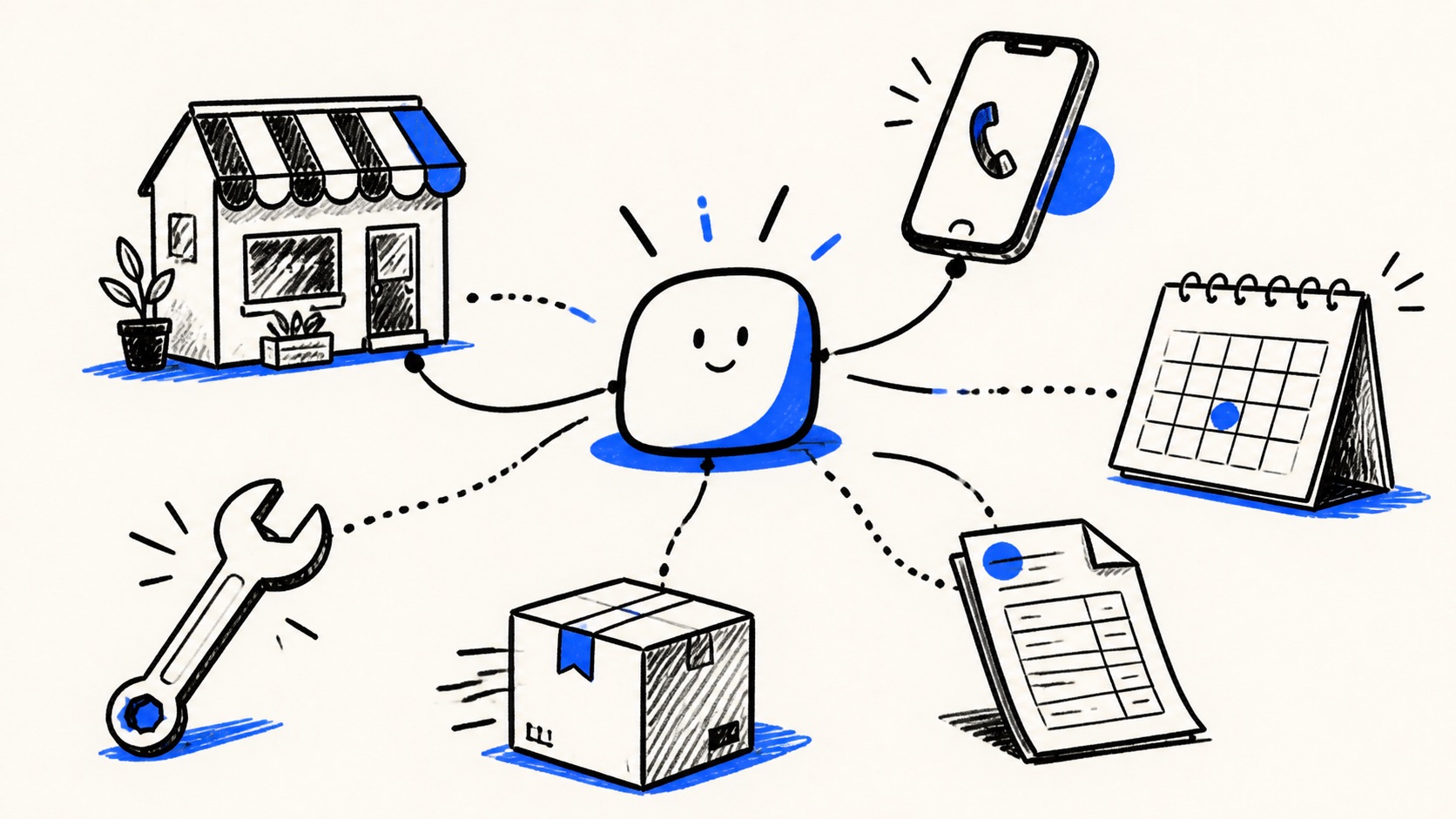
The most expensive mistake in an AI side project is building around a tool before anyone has agreed to a problem. A clearer approach is to test a narrow offer with a reachable buyer, a concrete first proof and a price that reflects a real delivery boundary.
This is the lead-magnet bridge format. It gives the reader an immediately useful operating plan, then offers a deeper downloadable guide for people who want the worksheets and examples. A future product recommendation can sit below that value exchange, not in front of it.
Three criteria before any recommendation earns its place
A valuable problem already costs a reachable person time, money, missed demand or attention.
You should be able to show an example before investing in a platform, large audience or elaborate brand.
The first sale should teach you a process you can improve, document and offer again.
This guide is a format demonstration. It includes no paid placement, affiliate link or guarantee of a financial result.
The breakdown at a glance
Lead-magnet bridge guideChoose one expensive queue
Find one repeated queue where a buyer is waiting, copying, forgetting or following up too late. Good examples are missed calls, unqualified enquiries, recurring reports or unstructured knowledge requests.
Write the queue, current owner, frequency and visible cost in four sentences.
Avoid choosing a problem simply because a tool makes a good demo.
Interview the buyer language
Speak with people who own the problem. Ask what happens now, what they have tried and what a better outcome would make easier. The exact language becomes the foundation of the future offer.
Collect five direct phrases that describe the frustration, consequence or desired result.
Do not turn one polite conversation into proof of broad demand.
Write the one-sentence offer
Use the structure: We help [specific buyer] get [wanted result] without [painful method] by installing [defined service]. If the sentence needs a long explanation, the offer is not yet narrow enough.
Share the sentence with a potential buyer and ask what they think they would receive.
Do not lead with the model, agent or prompt. Lead with the business outcome.
Build only the proof
Create a safe, constrained demonstration using dummy data, an approved sample or a manual concierge step behind the scenes. The objective is a useful conversation, not a production-ready product.
Record a two-minute walkthrough that shows the input, result and human handoff.
Do not use real customer data without permission and a clear data-handling plan.
Ask for a paid next step
Offer a defined pilot with a fixed outcome, timeline and scope. A paid or seriously committed next step teaches far more than likes, compliments or vague interest. Capture objections and refine the offer after each conversation.
Track conversations, specific objections, proposed next steps and actual commitments.
Results depend on the market, the offer and the work. No framework can guarantee income or customers.
The right next step is a clearer conversation, not a bigger build.
Use the downloadable 25 AI Offers guide to turn this validation process into a shortlist of concrete starting points. It is designed to help readers choose a buyer problem and test an offer with less blank-page friction.
Get the free 25 AI Offers guideGet the free 25 AI Offers field guide.
Practical starting points, buyer problems and offer angles for the AI economy. Download it now and get the next useful briefing.