Markets
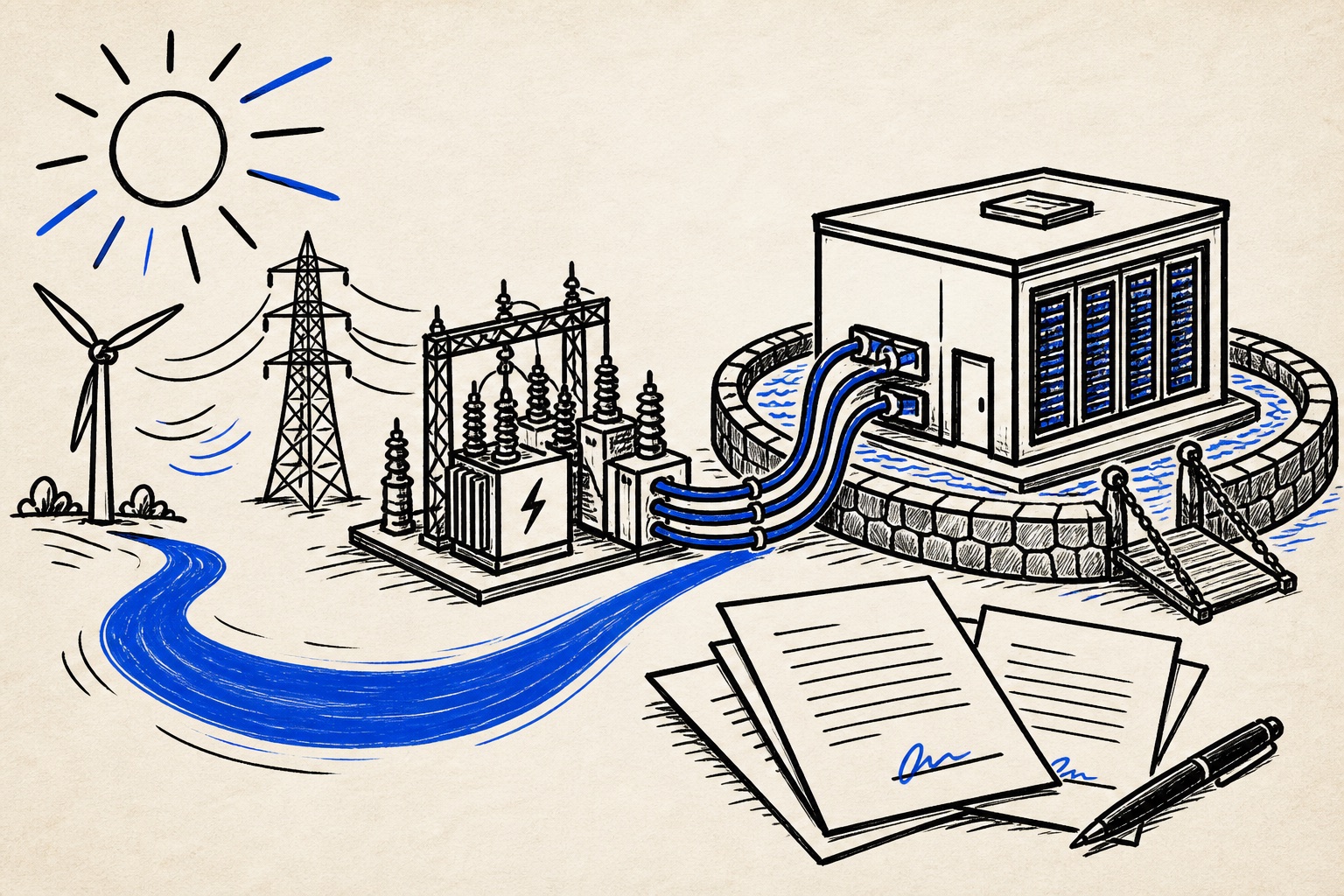
Energy contracts may become the next compute moat
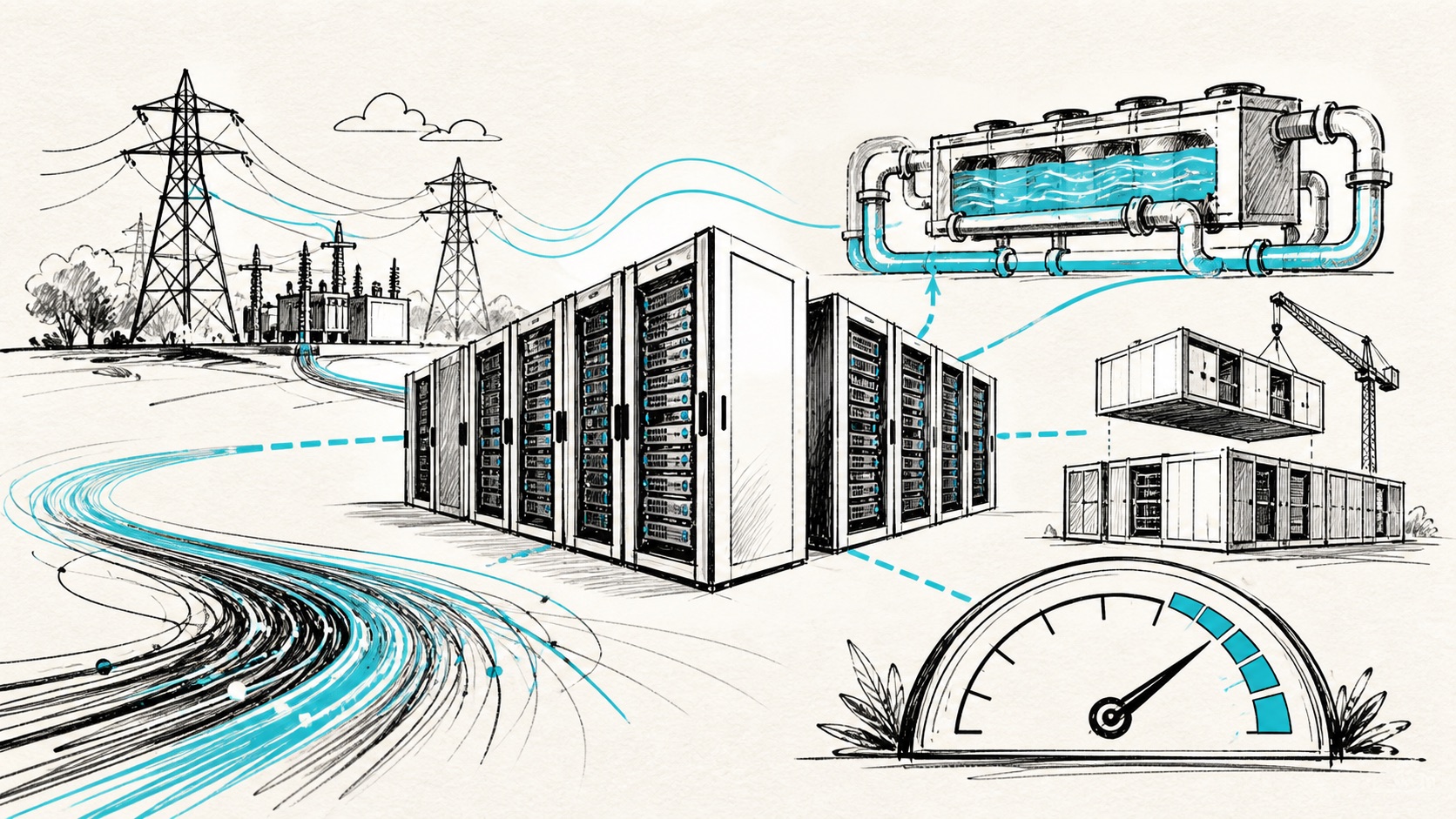
As rack density rises, the commercial edge in AI infrastructure is moving upstream to power access, contract design and the ability to operate inside real grid constraints.
News, markets and business in the age of artificial intelligence.
Capital, public companies and the economics of intelligence.
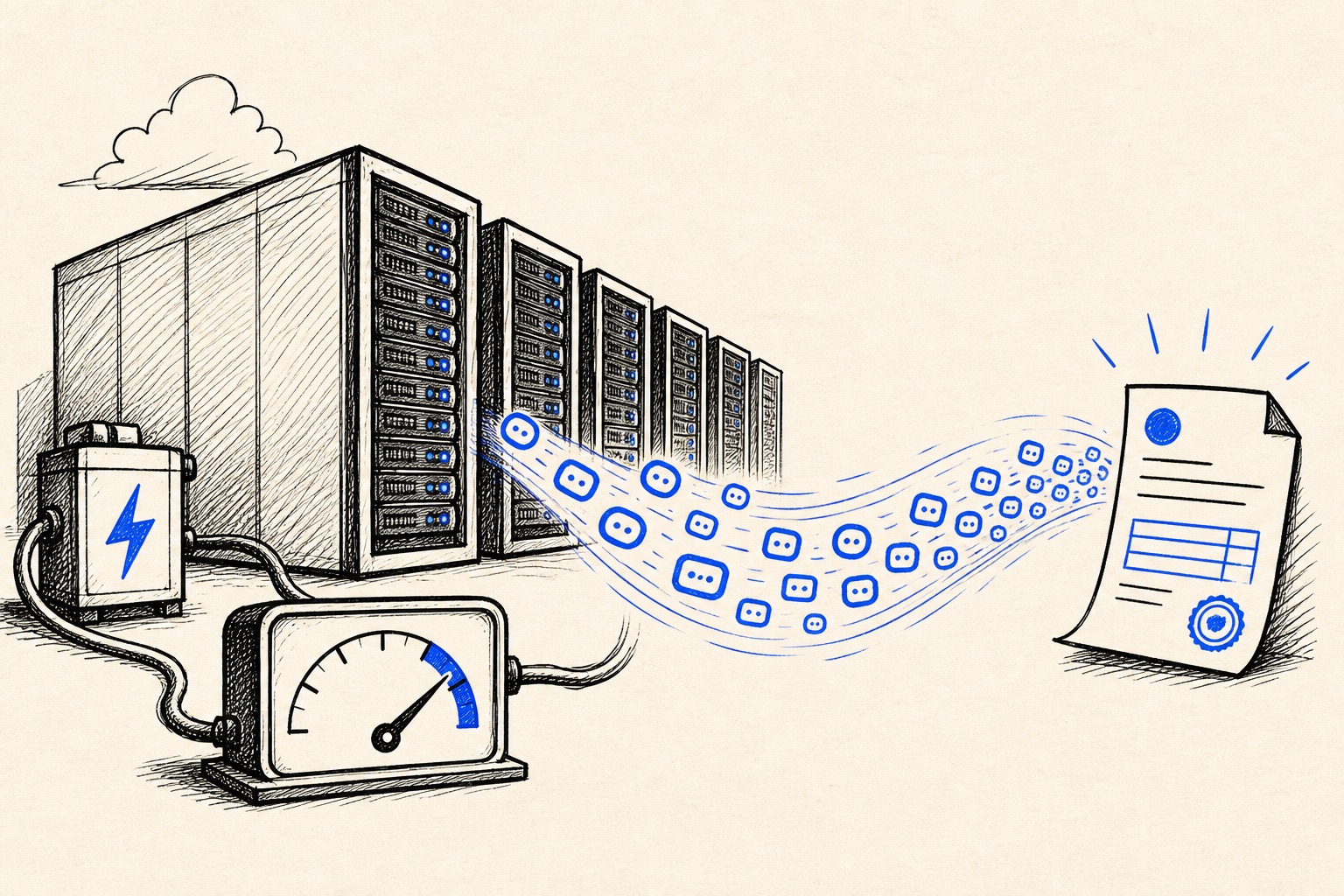
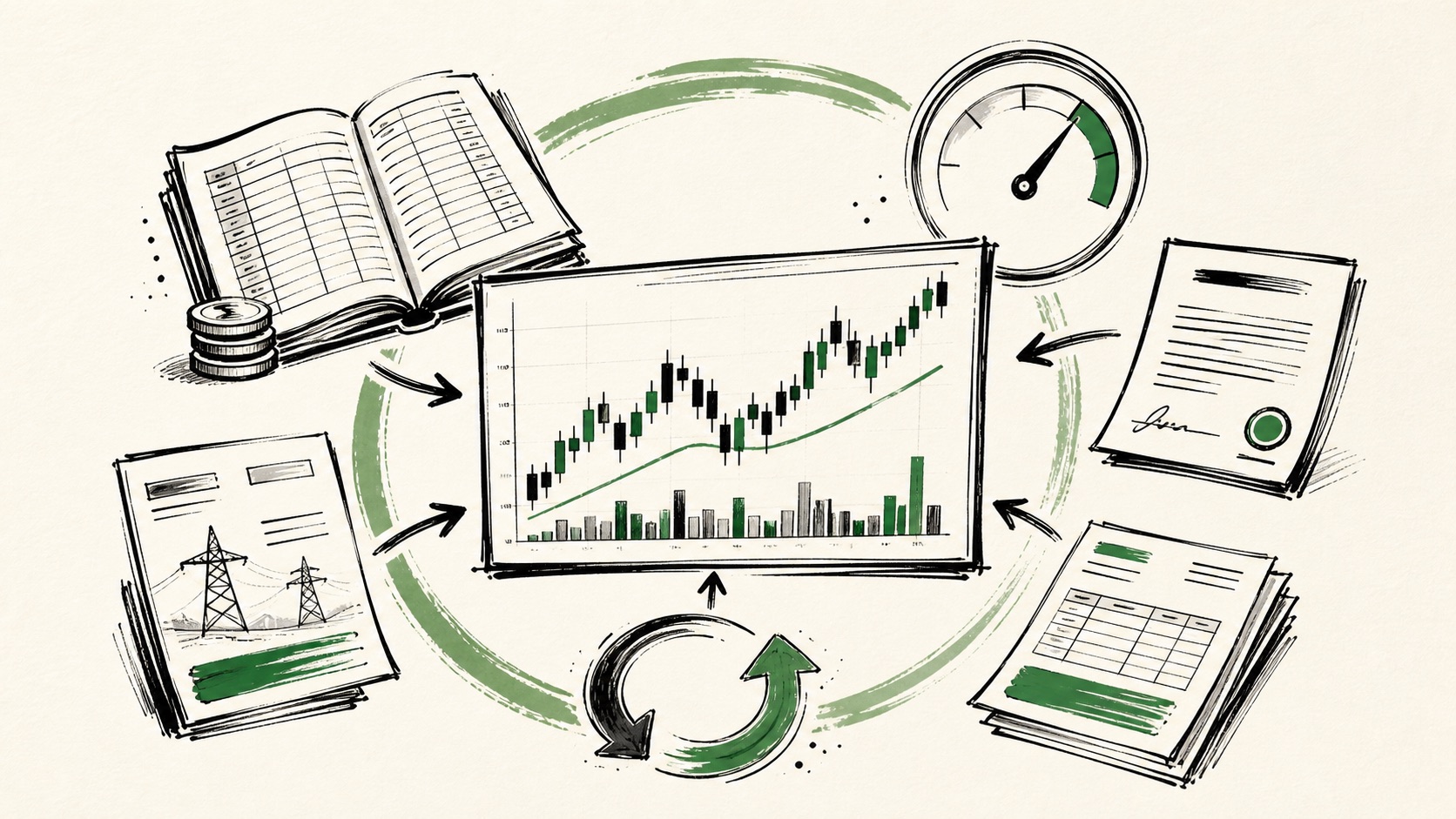
The next question for investors is not how much capacity was announced. It is whether expensive infrastructure is producing durable, paid work.
As rack density rises, the commercial edge in AI infrastructure is moving upstream to power access, contract design and the ability to operate inside real grid constraints.
Customers can tolerate a new cost model for only so long. The next stage of AI adoption depends on prices that product teams, finance teams and buyers can understand before usage arrives.
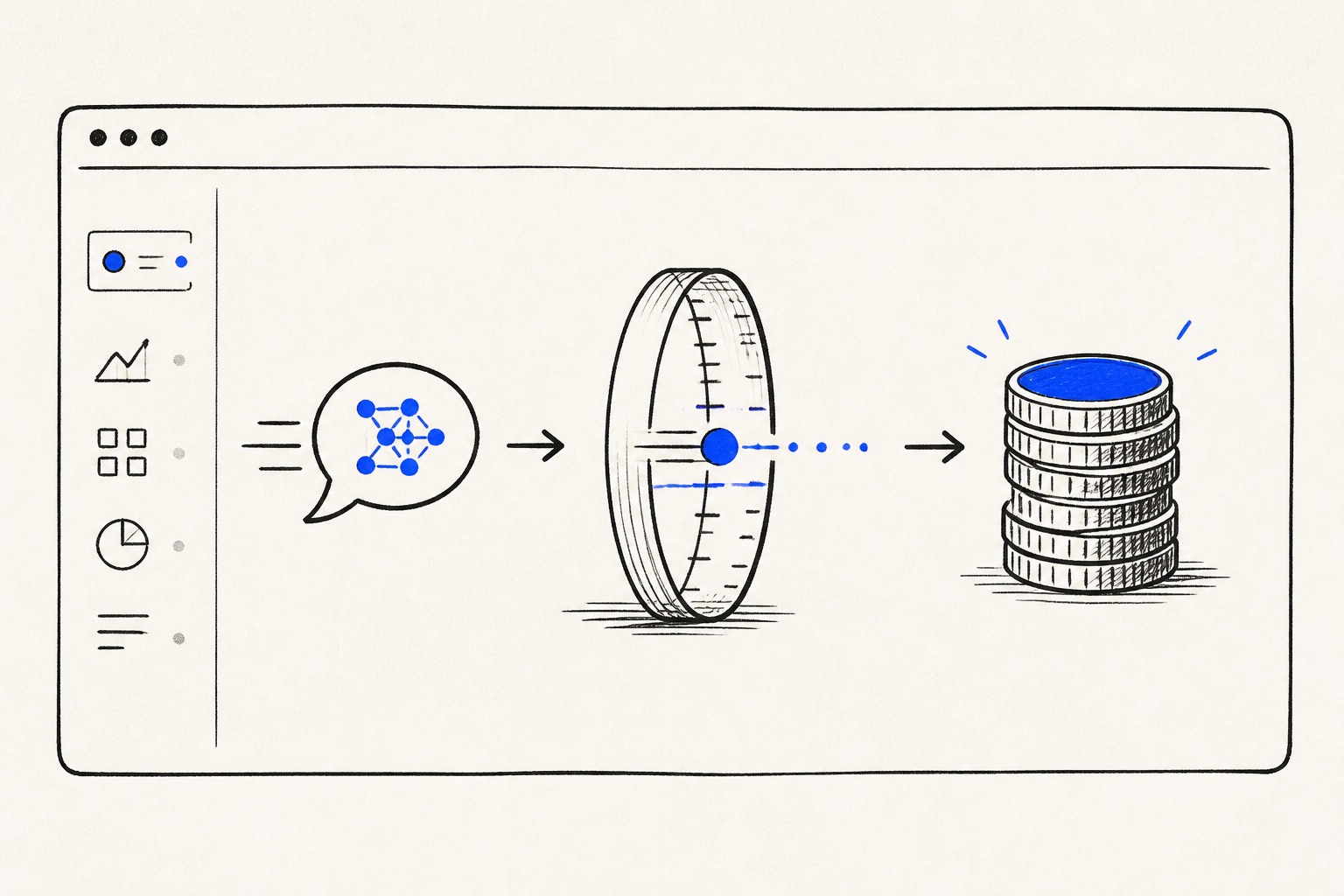
The market is right to ask whether AI can change software economics. It should be more demanding about what counts as proof.
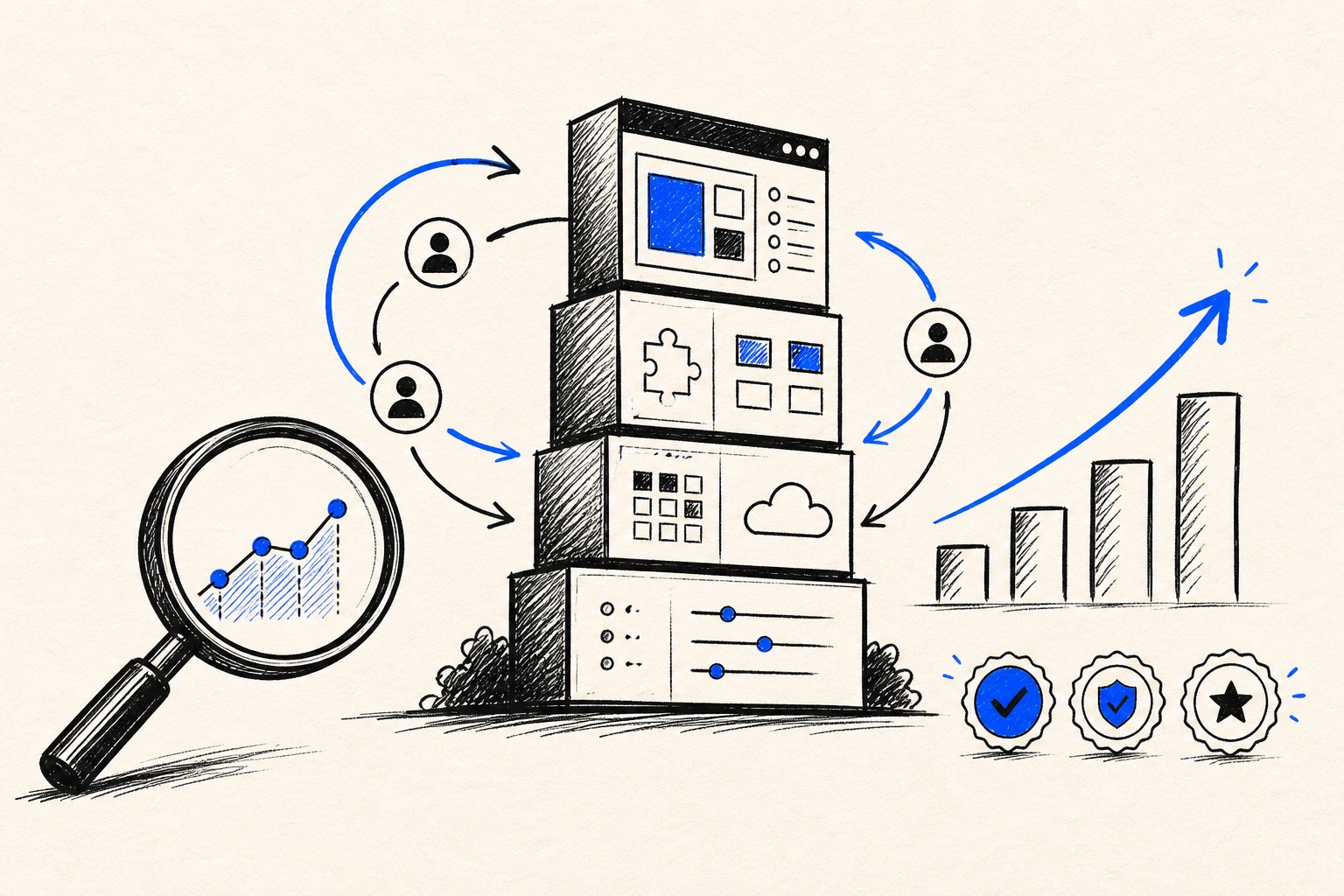
Countries and cities want local AI capacity, but a durable hub needs customers, operating talent and a reason for workloads to remain after the opening ceremony.

Lenders face a familiar question in an unfamiliar market: how do you finance growth when the product is software but the cost base increasingly includes expensive and variable infrastructure?
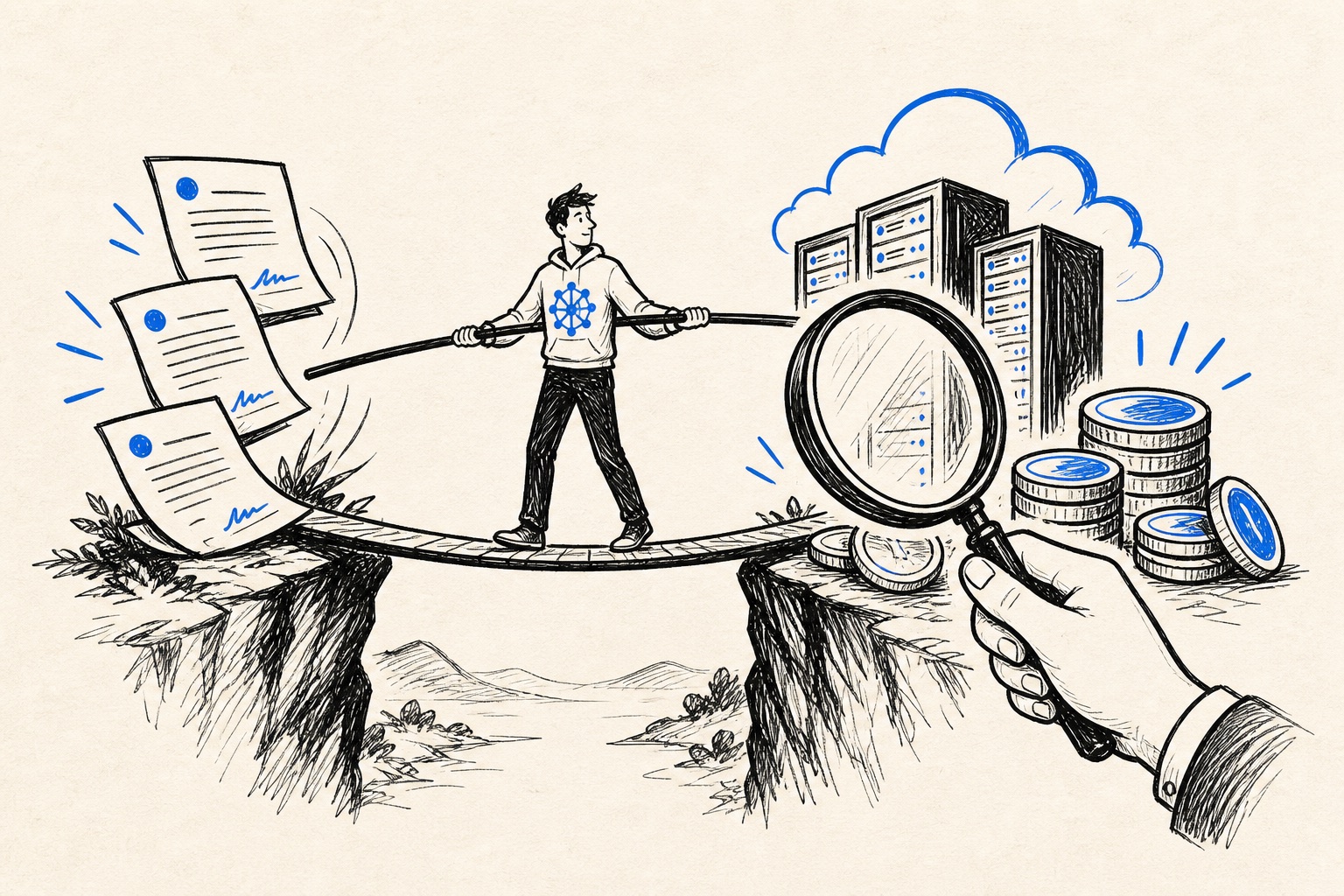
A large number can be meaningful, but investors still need to know whether it reflects durable workloads, discounted experimentation or infrastructure pass-through.
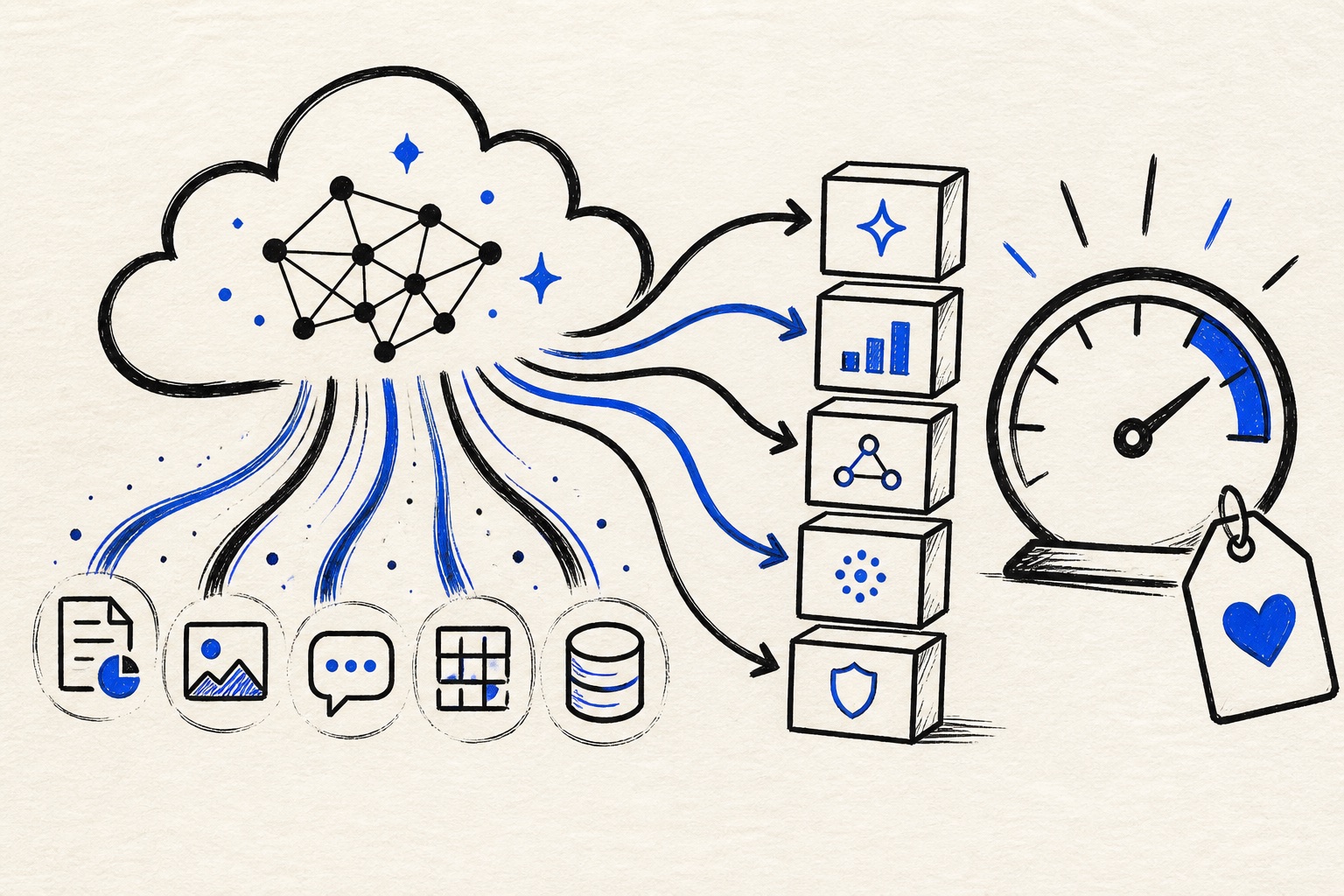
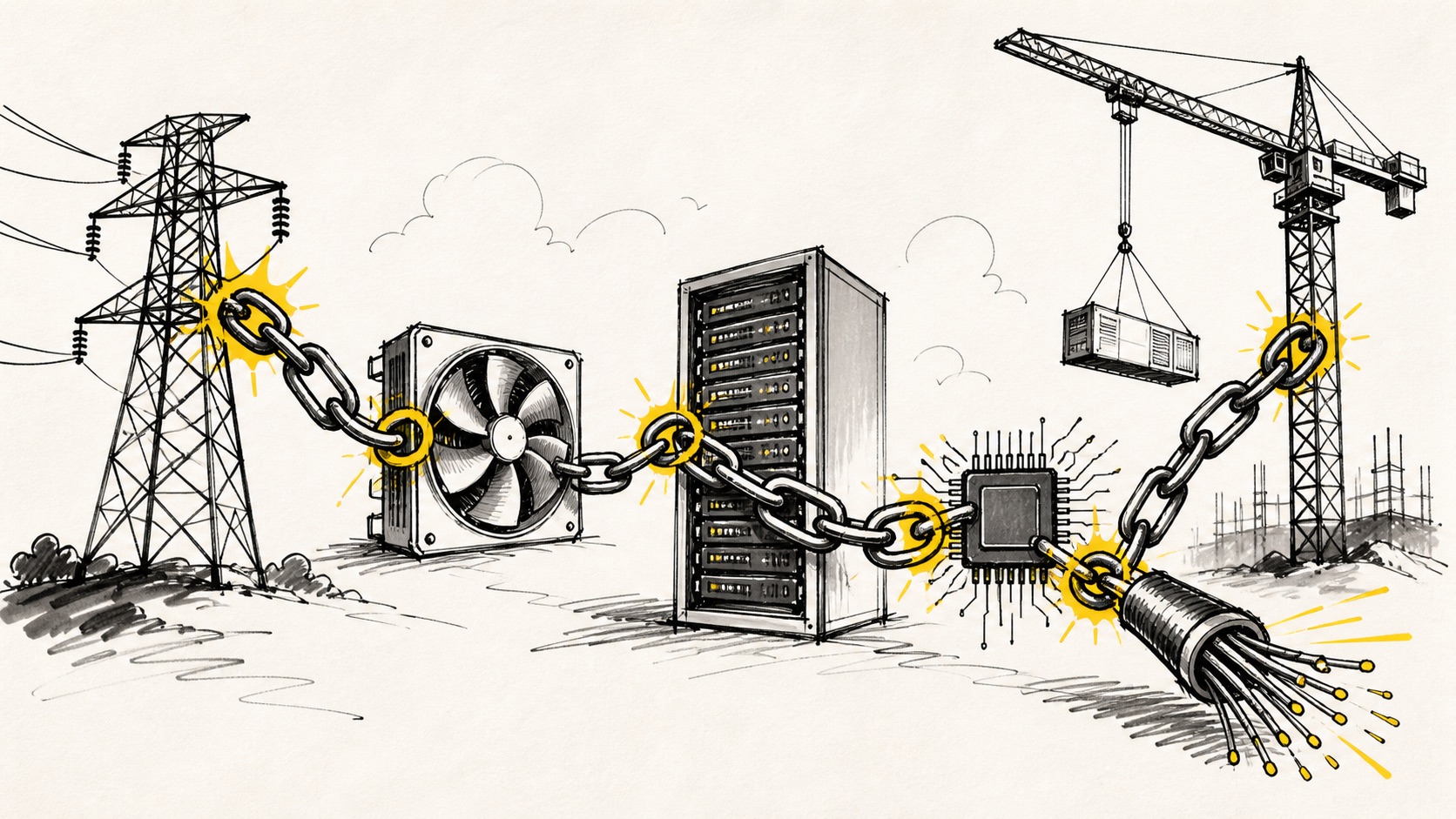
Chip shipments matter, but the more revealing indicators may be lead times, network readiness, memory supply and the behavior of customers after they receive the hardware.
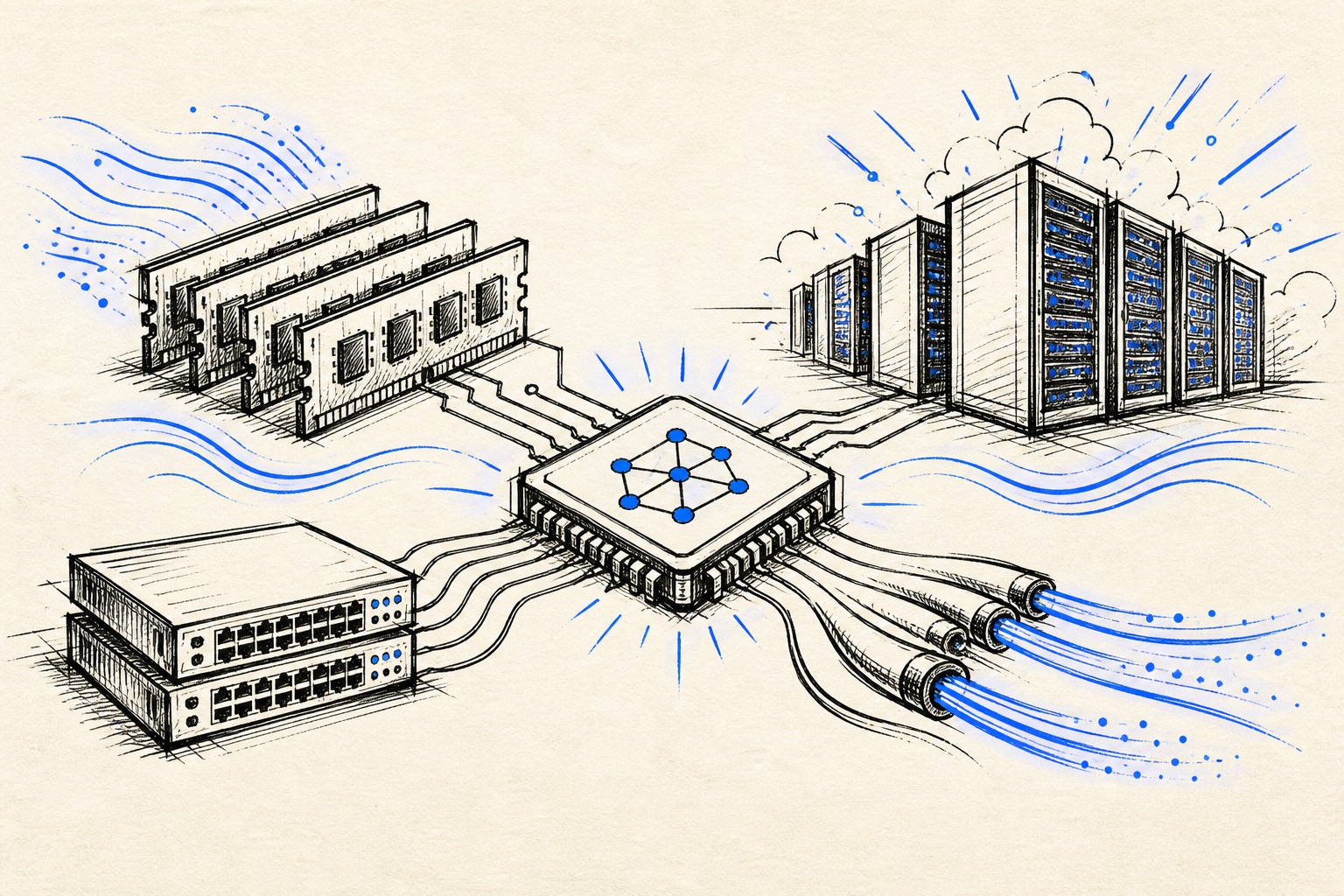
Land is only valuable when it can support power, fiber, permitting and an operating plan. In AI infrastructure, those conditions are becoming harder to assemble at the same time.
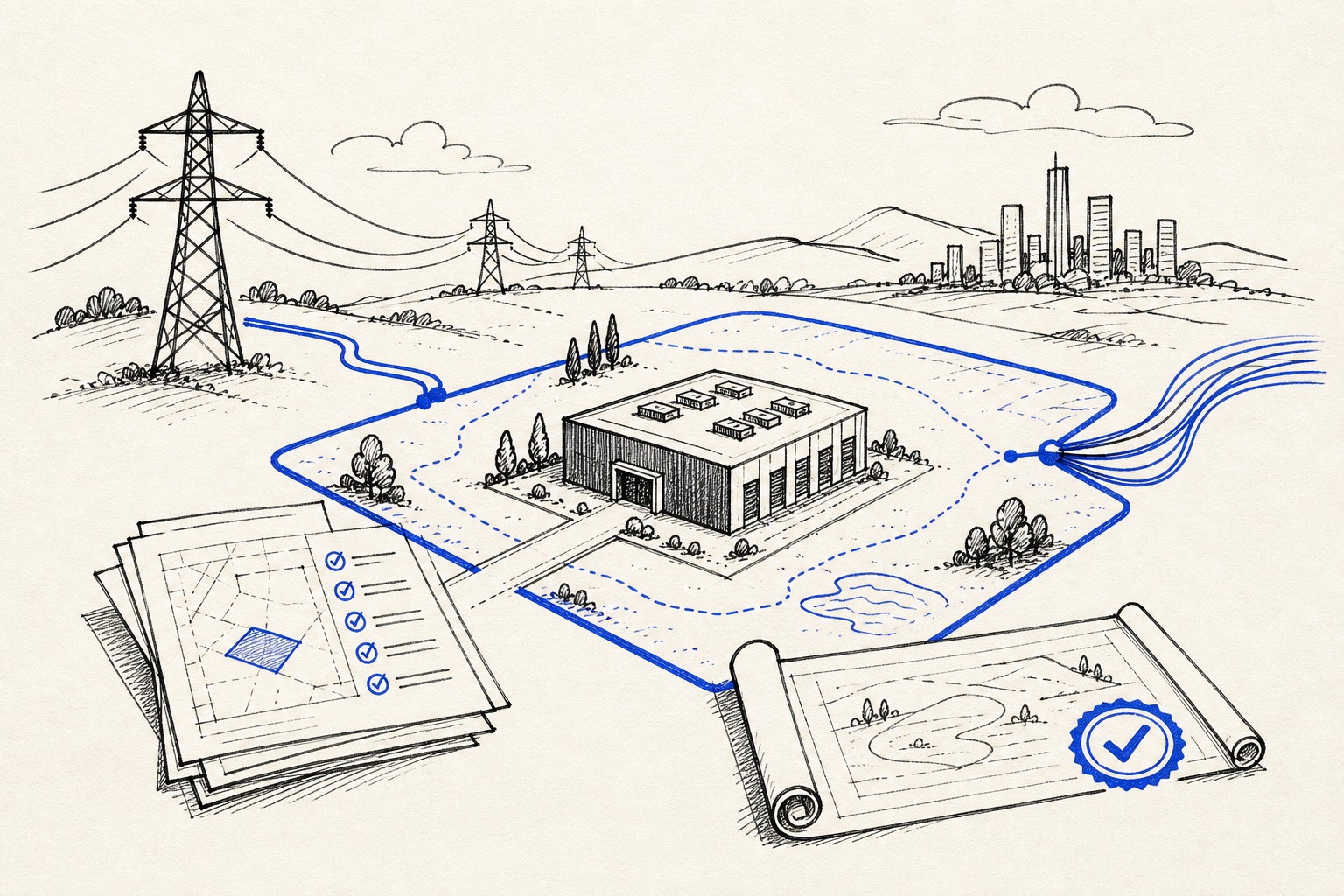
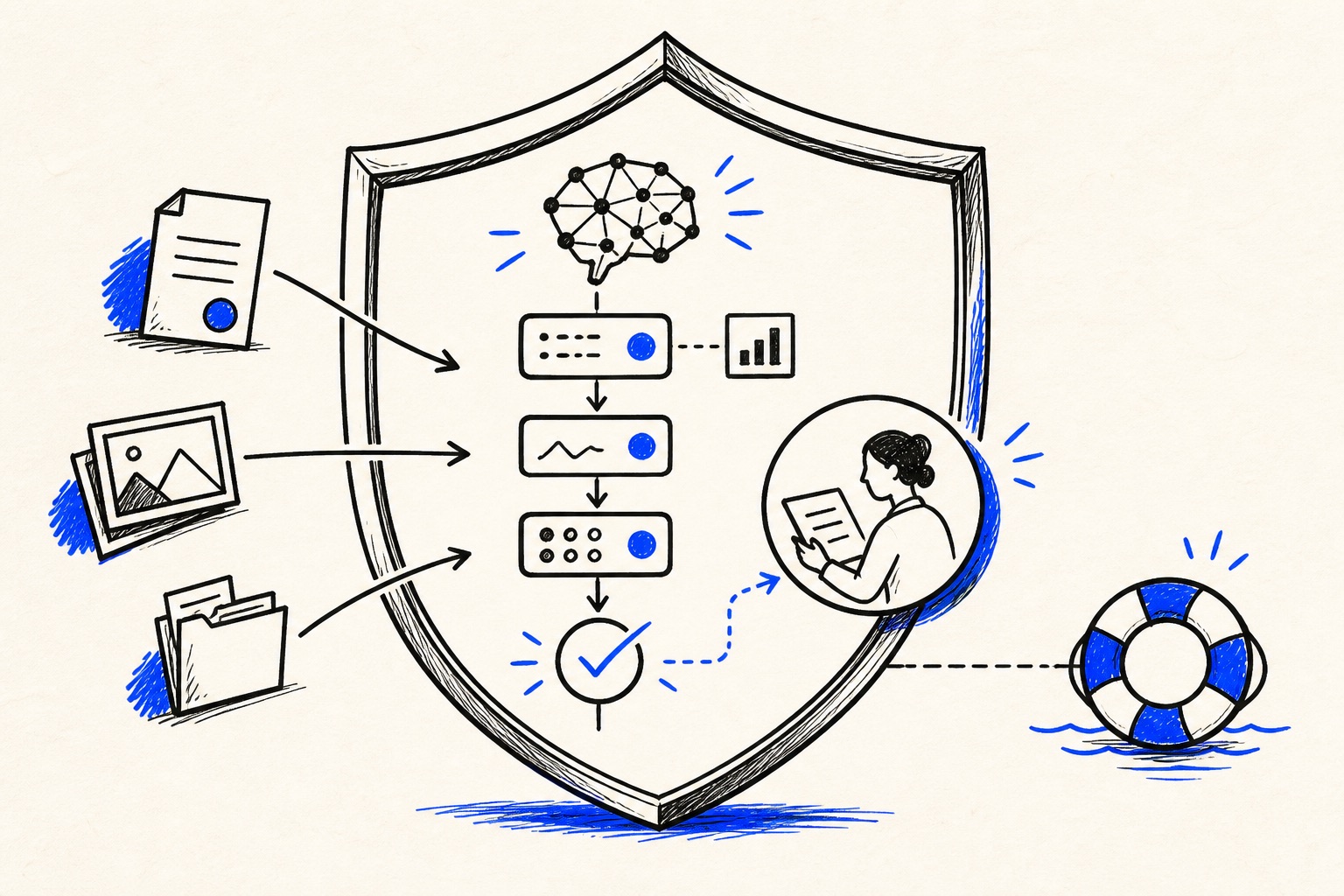
As companies deploy AI in customer and internal workflows, insurance will depend less on broad promises of safety and more on proof that a system is monitored, bounded and recoverable.
The next stage of AI investment will be shaped by the resources that turn chips into reliable, billable capacity.
The cost of intelligence is increasingly determined by facility design, energy contracts and how consistently expensive equipment is used.
A durable AI cycle will be measured by utilization, renewals and operating leverage rather than announcement volume.
AI purchasing decisions become expensive when ambition outruns ownership, data readiness and a credible path to sustained use.
Practical starting points, buyer problems and offer angles for the AI economy. Download it now and get the next useful briefing.