AI inference pricing needs a path to predictability
Customers can tolerate a new cost model for only so long. The next stage of AI adoption depends on prices that product teams, finance teams and buyers can understand before usage arrives.

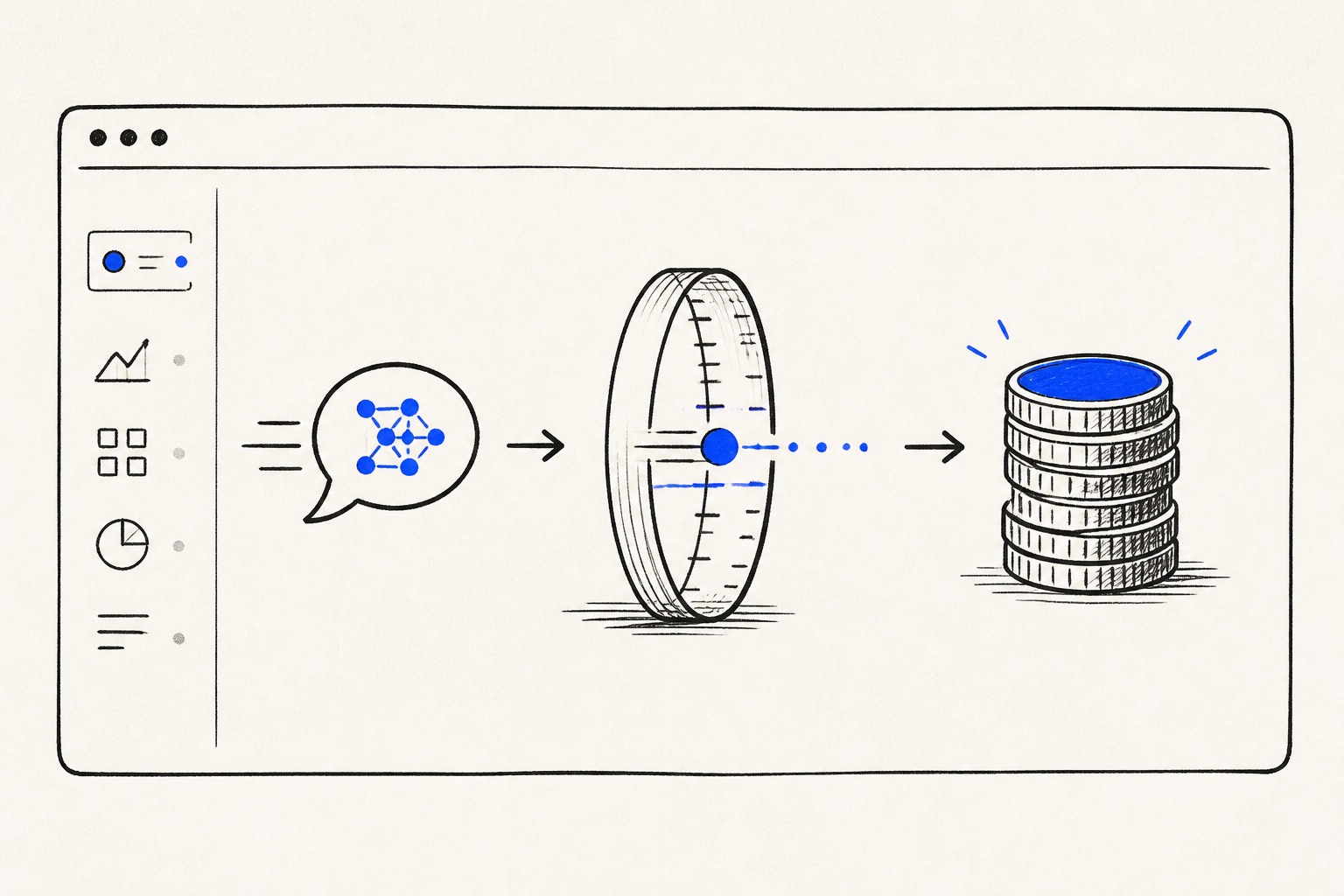
AI services introduced a pricing vocabulary that many buyers were not used to managing. Tokens, model tiers, context windows, tool calls and output length can all influence a bill that is difficult to predict from a simple seat count. That may be acceptable during experimentation. It becomes a problem when an AI feature reaches the budget of a real operating team.
The market does not need every provider to charge the same way. It needs prices that connect to the value and behavior a customer can plan around. The strongest pricing systems will translate underlying model economics into units that make sense for a product manager, a finance leader and the person using the service every day.
Usage pricing works when the unit feels real
Consumption pricing is familiar in cloud infrastructure because the customer can usually connect a unit of storage, bandwidth or processing to a known workload. AI becomes harder when the bill is based on an internal measure that has no obvious relationship to the customer outcome. A buyer cannot easily budget for tokens if they are actually trying to forecast resolved cases or completed documents.
The answer is not always a flat subscription. It is often a better translation layer. Providers can expose a predictable allowance, a case-based package or a price band that protects the customer from normal variation. Underneath, the provider may still manage complex model costs. The customer should not have to become an expert in those costs to decide whether the product is worth using.
Volatility moves from the vendor to the buyer
When a model changes its context behavior, an application adds a retrieval step or a user discovers a more intensive workflow, the bill can rise quickly. In a young market, that volatility is often passed directly through. Over time, customers will ask which party is better positioned to manage it. The answer will usually be the company with more information about the system.
That does not mean vendors should absorb unlimited risk. It means they should set clear boundaries. Usage alerts, spend controls, model routing and premium service tiers can all make the tradeoff explicit. The durable relationship is one where a surprise bill is treated as a product failure to fix, not a lesson the customer was supposed to learn alone.
Model routing can create a better commercial experience
Many tasks do not require the most capable model on every call. A provider that can route work according to difficulty, risk and latency can reduce costs without making the customer negotiate technical details. The commercial benefit is not only a lower price. It is a more stable product promise with fewer reasons for the buyer to question whether usage is getting out of hand.
That routing needs to be visible enough for trust. Customers do not need a stream of infrastructure telemetry, but they should understand the service level they are buying and the conditions under which a different model or review path will be used. Predictability comes from clear product design, not from hiding variability until an invoice arrives.
Finance teams will ask for a contract they can explain
The organizations that move AI beyond a small pilot eventually involve procurement and finance. Those teams will compare the service with other software categories, even if the technology is different. They will want forecastable spend, an understandable renewal path and a way to connect price to a business metric they already track.
Providers that prepare for that conversation early will have an advantage. A pricing page can attract a user, but a commercial model is what keeps a company inside the annual plan. The businesses that win will make their variable costs feel manageable without pretending that AI infrastructure is free.
The best AI price is one a customer can take to a budget meeting
Technical consumption will remain part of the market, but customers buy products, not internal cost structures. The next pricing leaders will turn AI variability into a commercial relationship that is clear, bounded and credible enough to support a long-term decision.