Enterprise
Enterprise search is becoming an AI knowledge problem
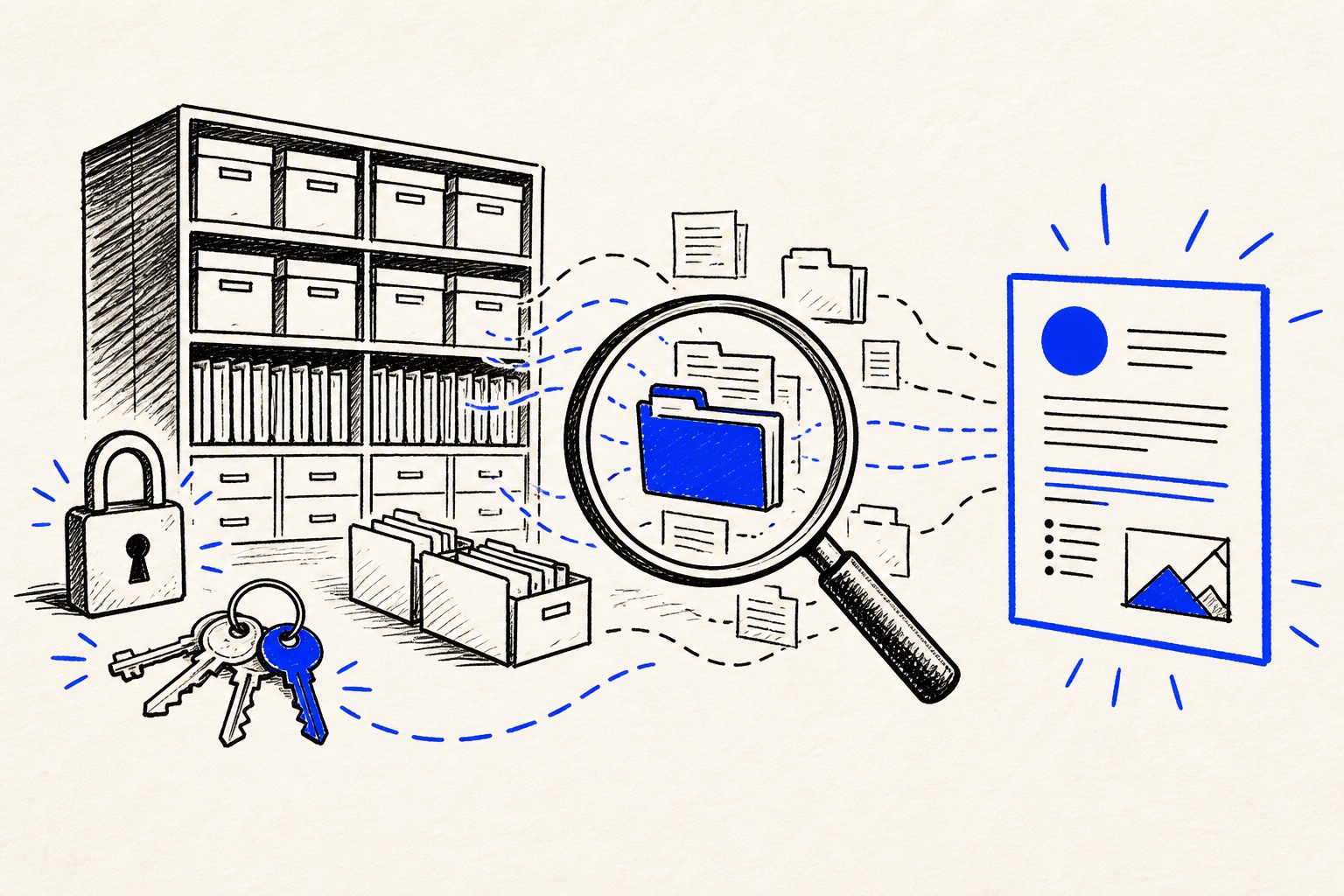
The challenge is no longer simply finding documents. It is deciding which information deserves to shape an answer and who is responsible for keeping that information current.
News, markets and business in the age of artificial intelligence.
Implementation lessons for operators and executives.

A policy group can set direction. Employees still need practical tools, clear choices and a visible way to get help when an AI use case is uncertain.
The challenge is no longer simply finding documents. It is deciding which information deserves to shape an answer and who is responsible for keeping that information current.
A weak process does not become strong because a model can generate faster text. It often becomes harder to understand, because the old problems now move through the system at greater speed.
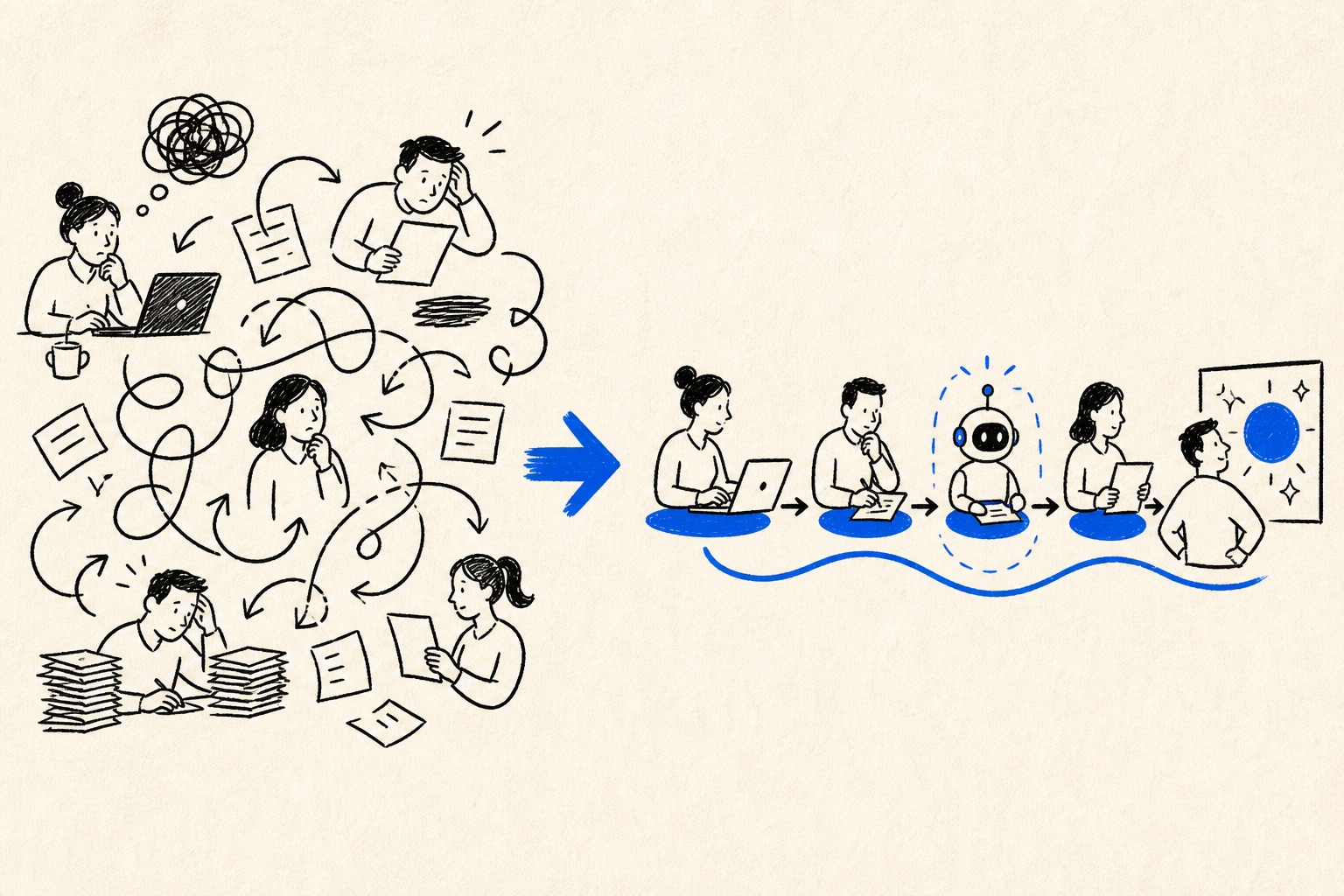
An AI system earns trust not by avoiding every difficult case, but by recognizing when a person needs to take over with the right information and authority.

Most organizations can obtain capable models. The harder advantage is creating a governed, useful view of the information that makes those models relevant to their own work.
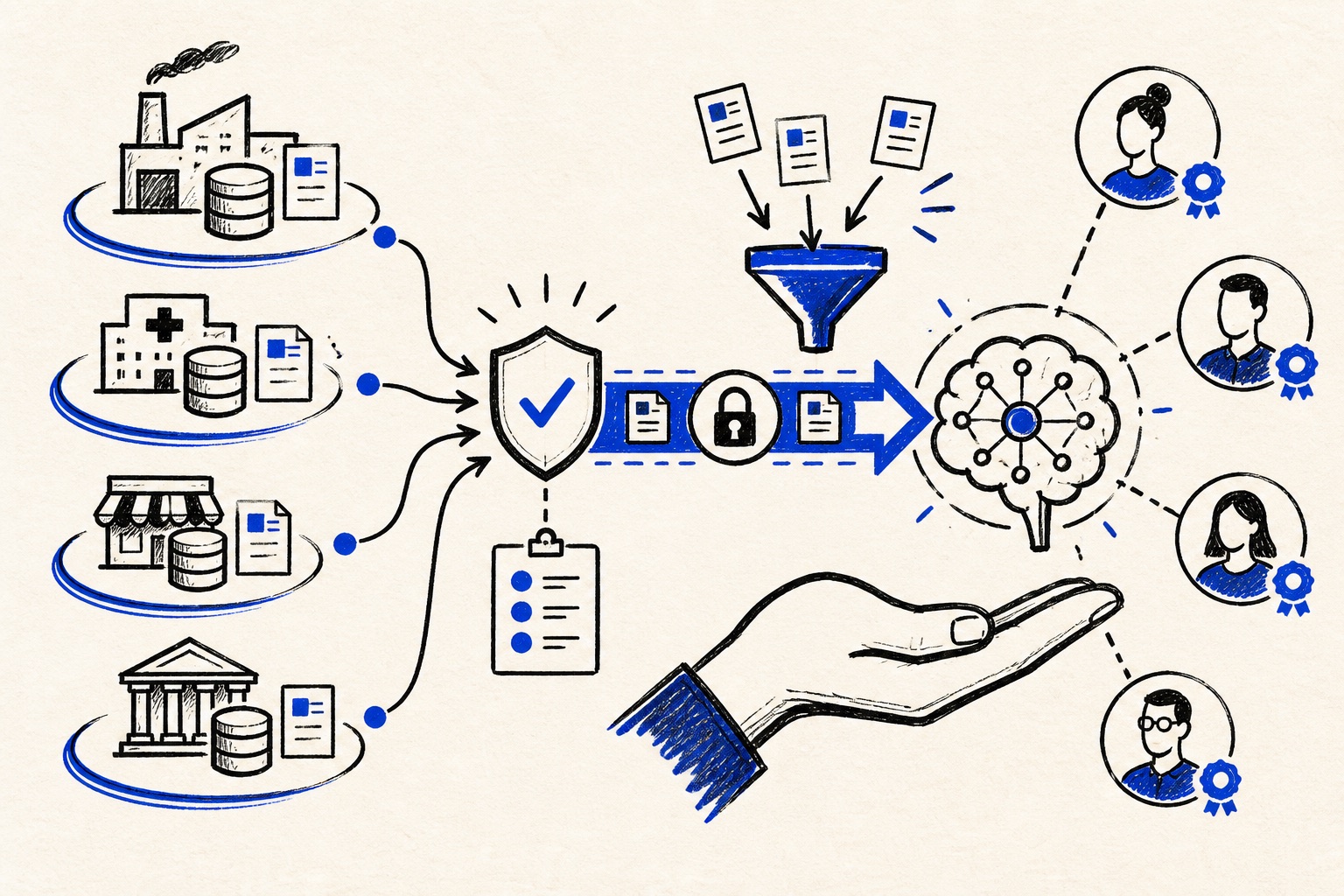
Most successful organizations will combine purchased models and platforms with internal workflow design, data stewardship and selective custom development.

For workers under time pressure, an AI tool has a short window to prove that it understands the job, fits the environment and will not create a new problem for them to solve.

Cross-functional oversight matters, but it becomes a bottleneck when nobody knows who can approve a routine use case, pause a risky one or own the consequence after launch.

A common platform can reduce duplication and improve controls, but it has to earn adoption by making teams faster rather than forcing every use case into a central queue.
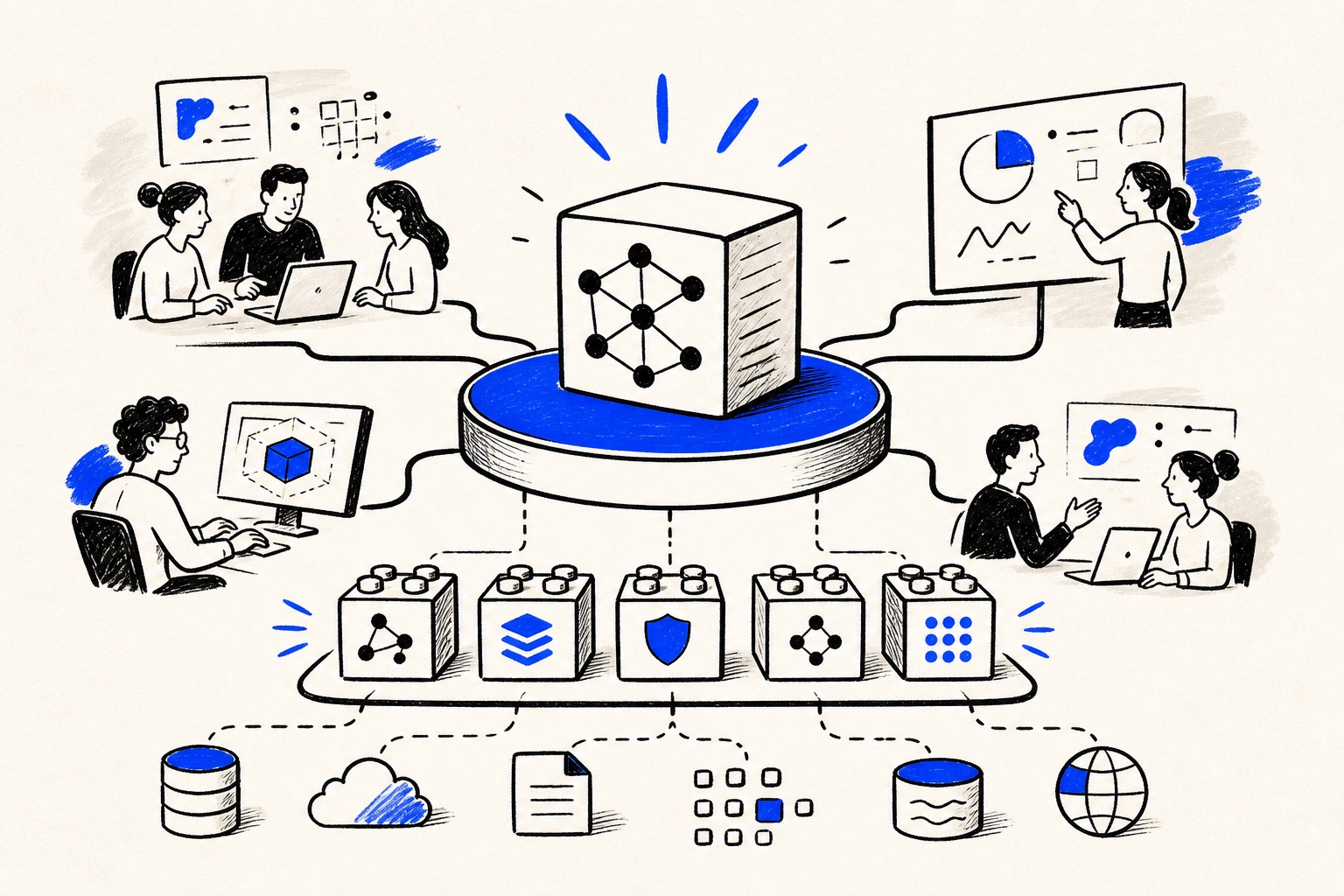
The value of AI appears when a person can connect research, drafting, decision-making and follow-through into a better rhythm of work rather than collecting isolated productivity tricks.

Factories buy fewer abstract capabilities than software companies. They buy less downtime, faster inspection and better planning.
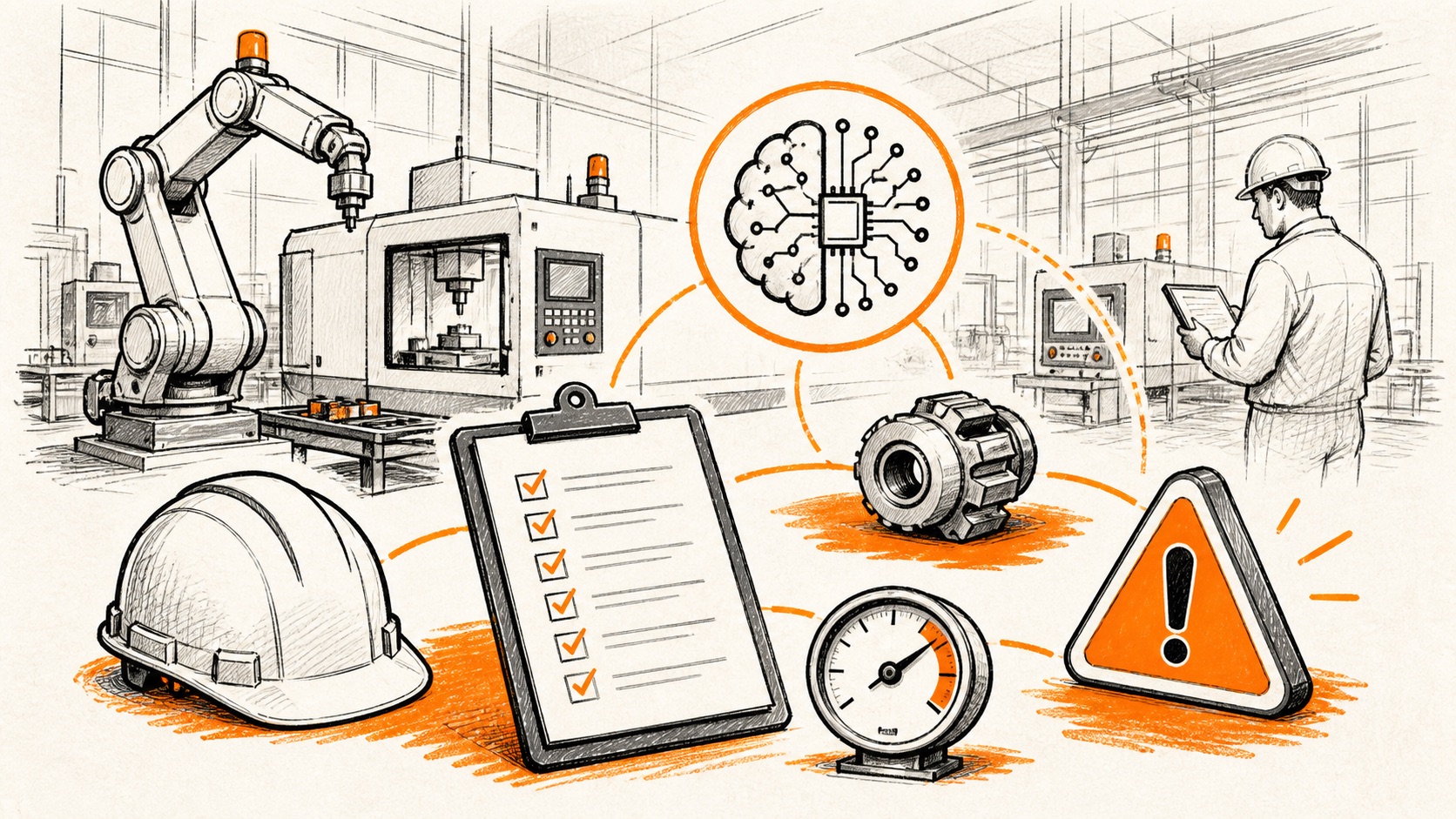
Usage counts can make a pilot look busy. Better metrics show whether the workflow became faster, cheaper or more reliable.

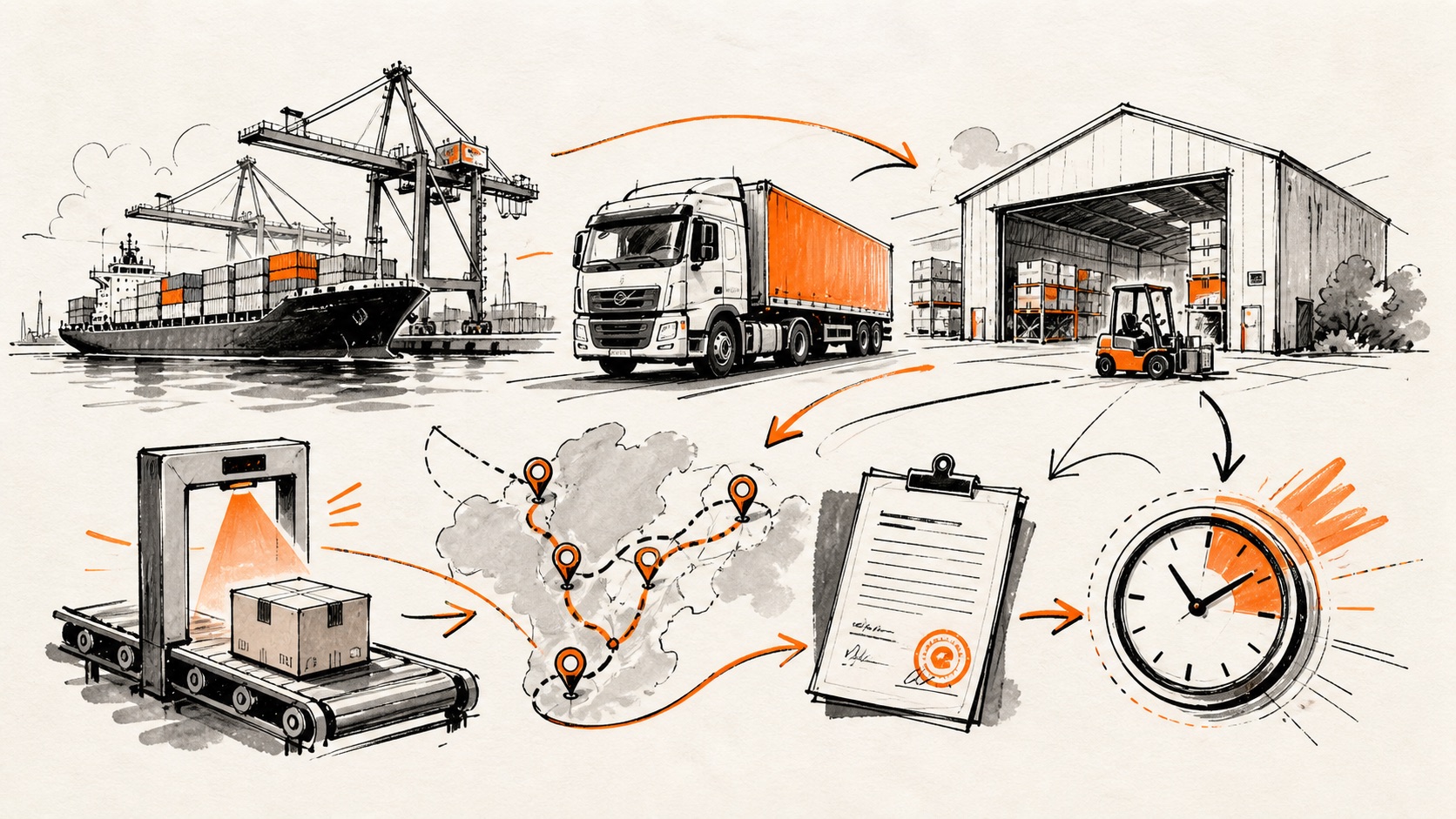
Freight operations create value by managing exceptions. AI is useful when it makes those exceptions visible before they become expensive.
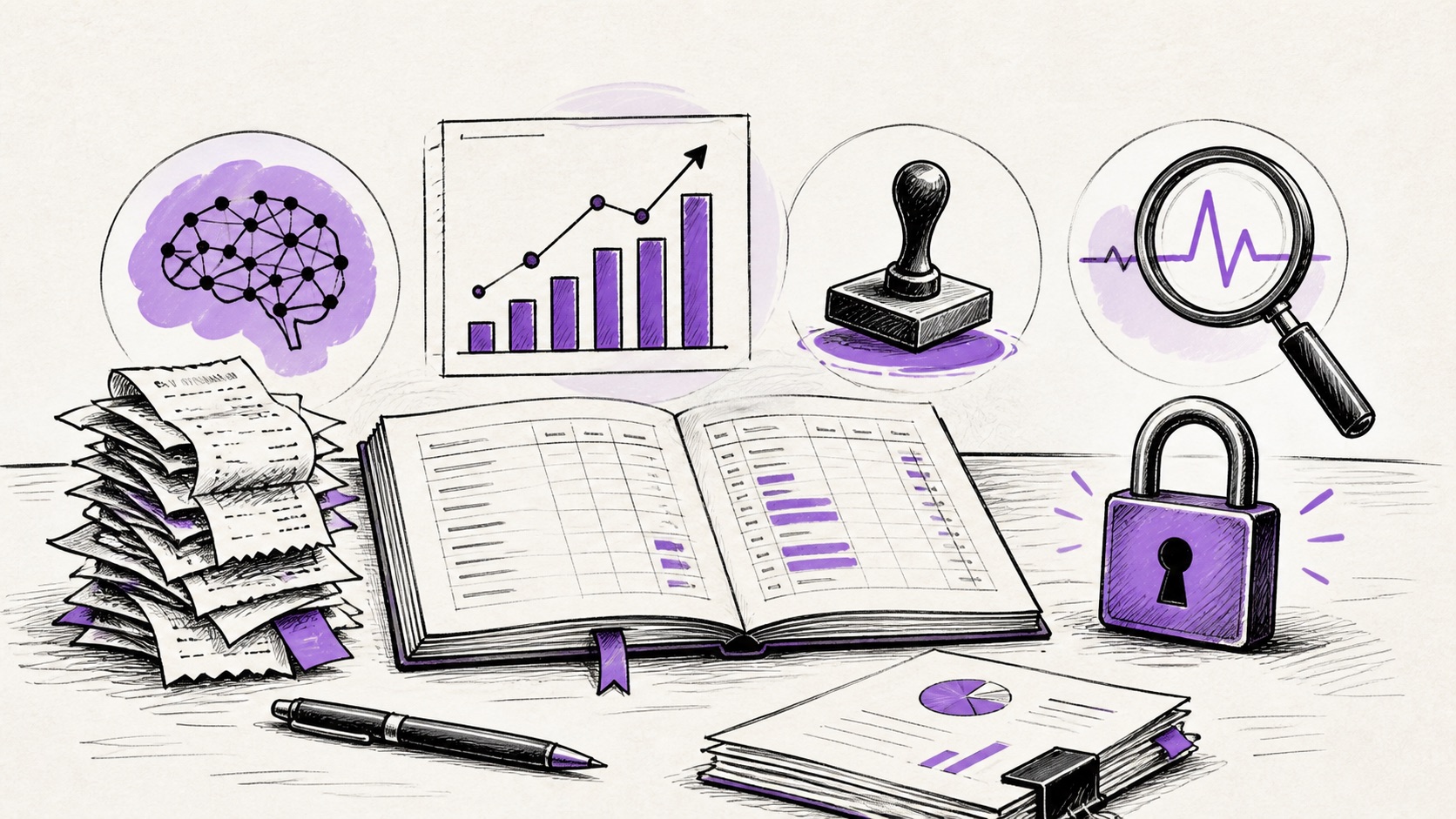
Finance leaders value speed, but they buy systems that make evidence, approval and variance easier to see.
Support automation succeeds when customers understand what the system can do, how to reach a person and who owns the final resolution.

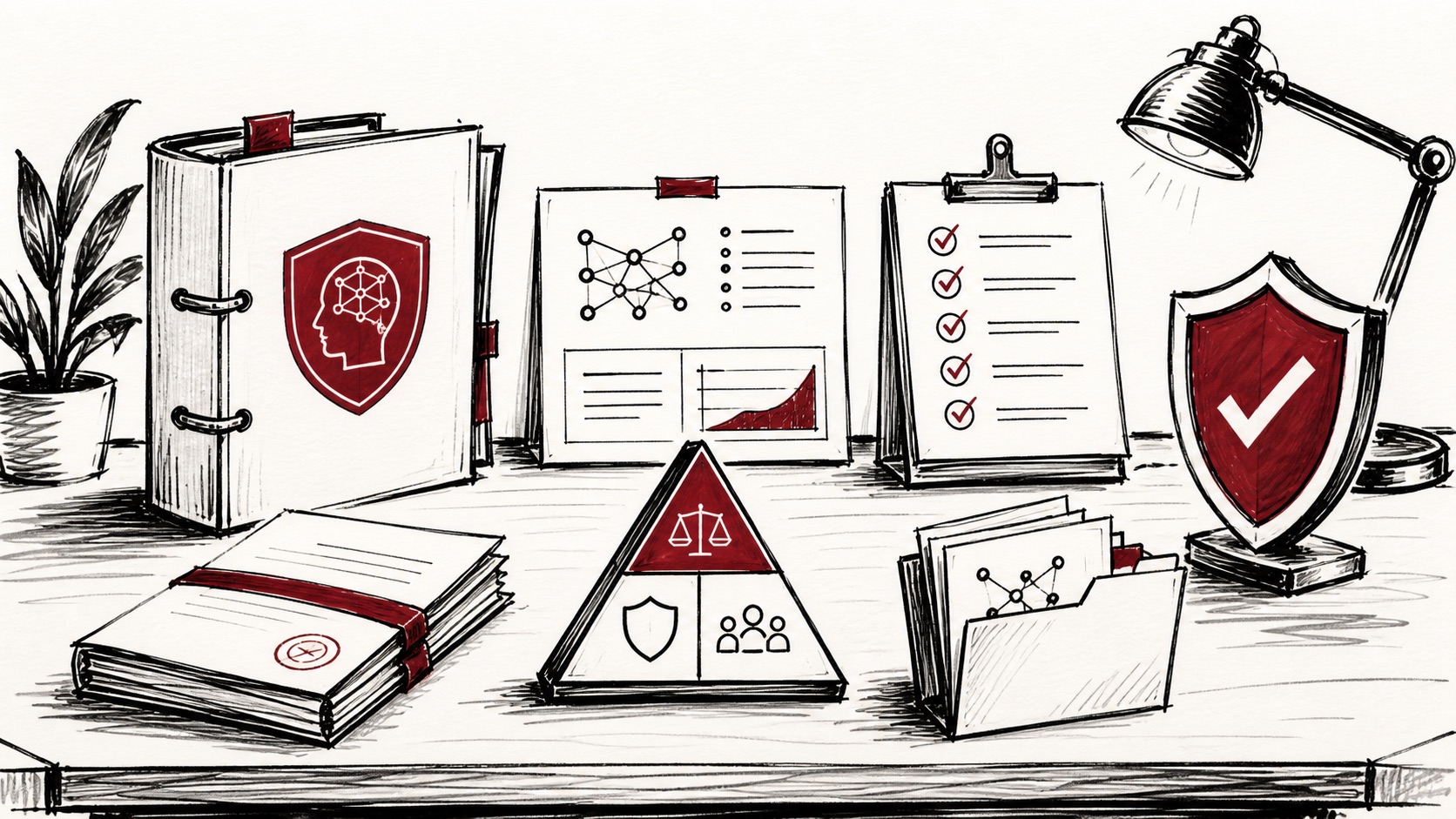
Organizations need practical help documenting how AI is selected, tested, monitored and explained across the systems they already use.
Practical starting points, buyer problems and offer angles for the AI economy. Download it now and get the next useful briefing.