Internal AI platforms are becoming the new shared service
A common platform can reduce duplication and improve controls, but it has to earn adoption by making teams faster rather than forcing every use case into a central queue.

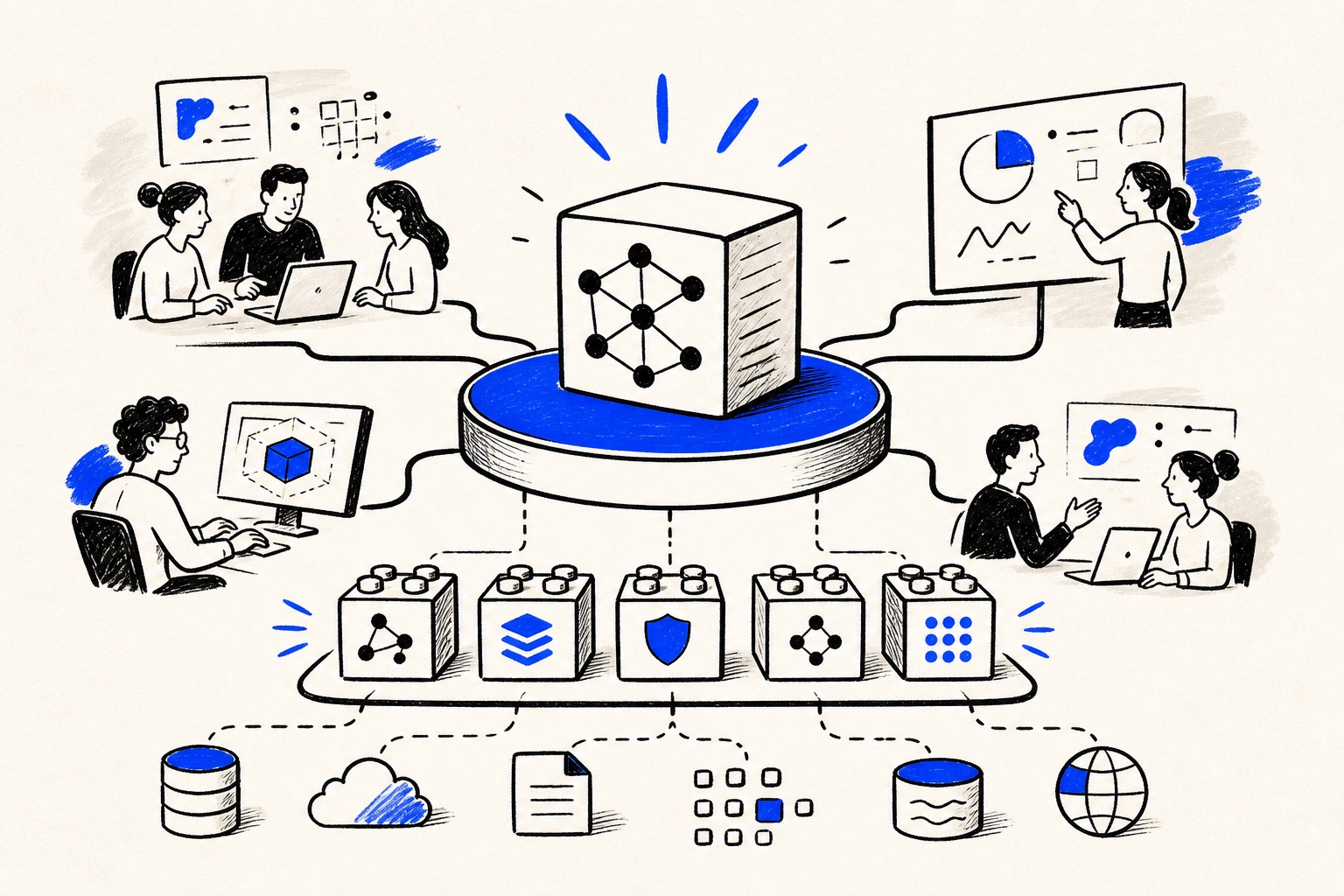
As AI use spreads, many enterprises reach the same conclusion: every team cannot create its own model connection, data policy and evaluation practice. An internal platform can provide approved access, shared tools and common controls. The challenge is to build a platform that supports local innovation instead of becoming a slower version of procurement.
The successful platform is a shared service with a product mindset. It understands who its users are, what they need to do and which standards should be centralized so each team does not have to solve the same risk problem from scratch.
Centralize the hard, repeatable work
Identity, access, model connections, logging, source controls and basic evaluation tools are good candidates for a shared platform because they are difficult to build well and needed by many teams. Centralizing them can reduce risk and let product groups focus on the workflow and customer problem that make their use case distinct.
The platform should expose these capabilities through clear interfaces and documentation. If a team needs a separate meeting for every ordinary action, it will either move too slowly or find an unofficial alternative. Shared infrastructure succeeds when the approved path is the easiest path.
Leave product judgment close to the workflow
A central platform cannot decide whether a sales assistant, service workflow or internal research tool is useful for a particular team. That judgment belongs close to the people who own the outcome. The platform can provide guardrails, evidence and reusable components without trying to become the product manager for every use case.
This division of responsibility makes both sides stronger. The central group learns from patterns across the organization, while local teams retain the ability to design an experience that fits their users. The organization gains consistency without sacrificing relevance.
The platform needs service levels and a roadmap
Internal platforms sometimes fail because they are treated as a compliance requirement rather than a product. Teams do not know what is supported, how long a request will take or whether the capability they need is planned. That uncertainty encourages fragmentation even when the central platform is technically sound.
A product approach includes published service levels, a visible roadmap and a way for users to influence priorities. The platform earns trust when teams see that their feedback changes the service and that the service helps them deliver work faster with fewer avoidable risk decisions.
Shared AI infrastructure should feel like leverage, not permission
An internal platform can give an enterprise consistency and control without slowing useful experimentation. It succeeds when it centralizes the difficult common work and gives product teams room to own the outcomes that matter.