Technology
Synthetic data has a trust problem, not just a quality problem
Generated data can expand testing and training, but its value depends on whether teams can explain what it represents, what it leaves out and how it was validated.

News, markets and business in the age of artificial intelligence.
Models, infrastructure and the products reaching the market.
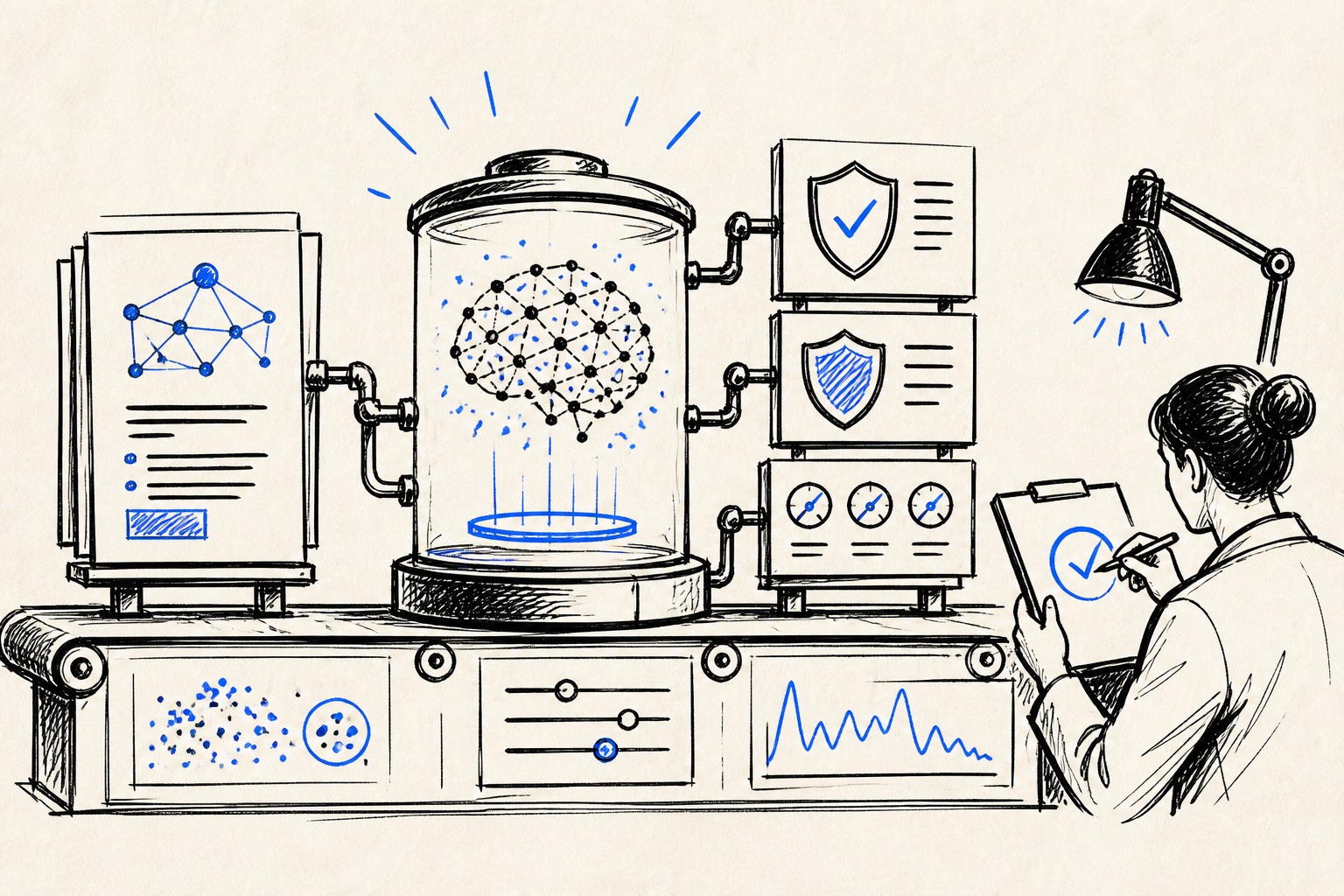
The companies that can test quality, safety and product fit continuously will move faster than those that treat evaluation as a last check before launch.
Generated data can expand testing and training, but its value depends on whether teams can explain what it represents, what it leaves out and how it was validated.
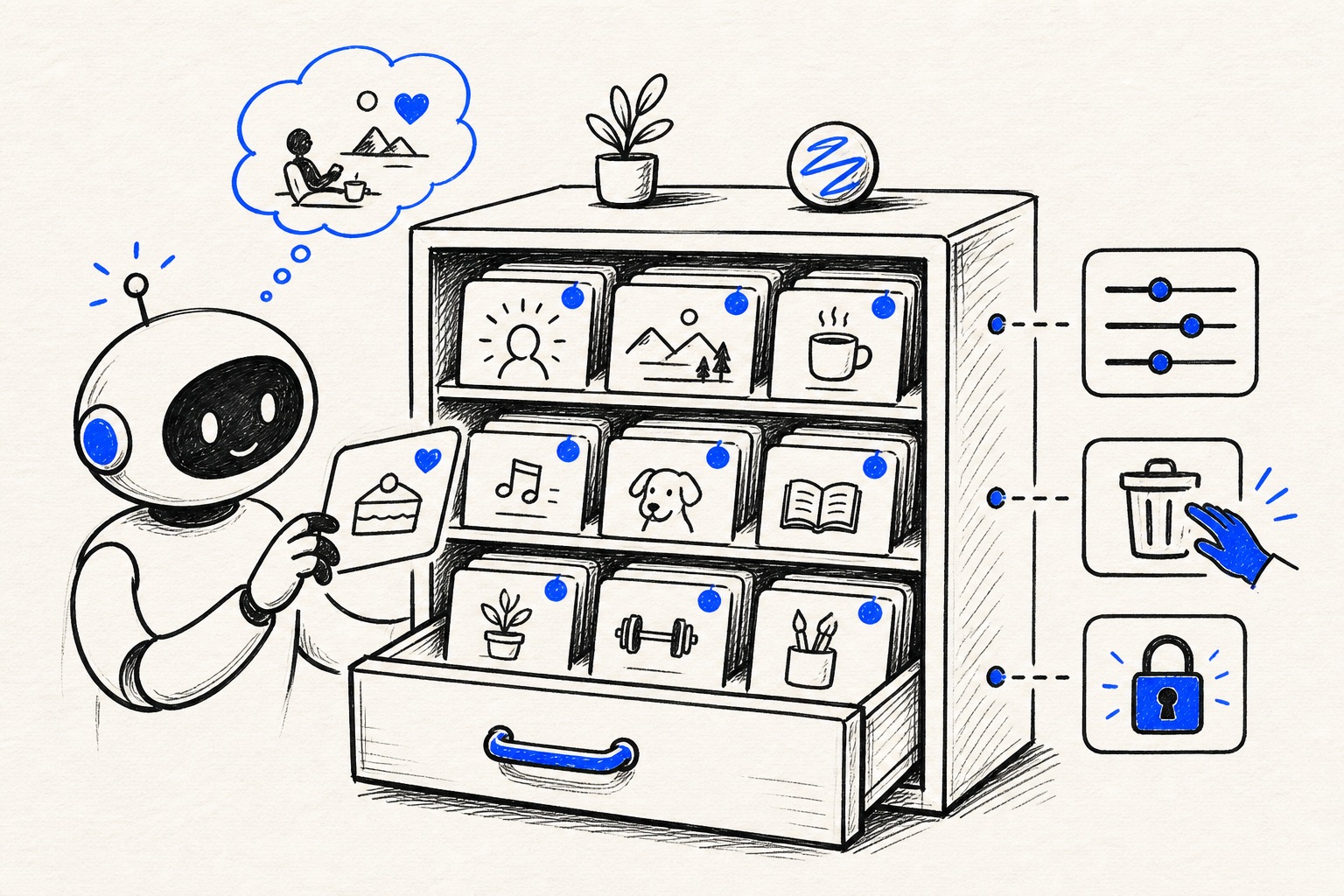
Remembering user context can make an AI service useful. It can also create surprise, privacy risk and a confusing sense of what the system knows.
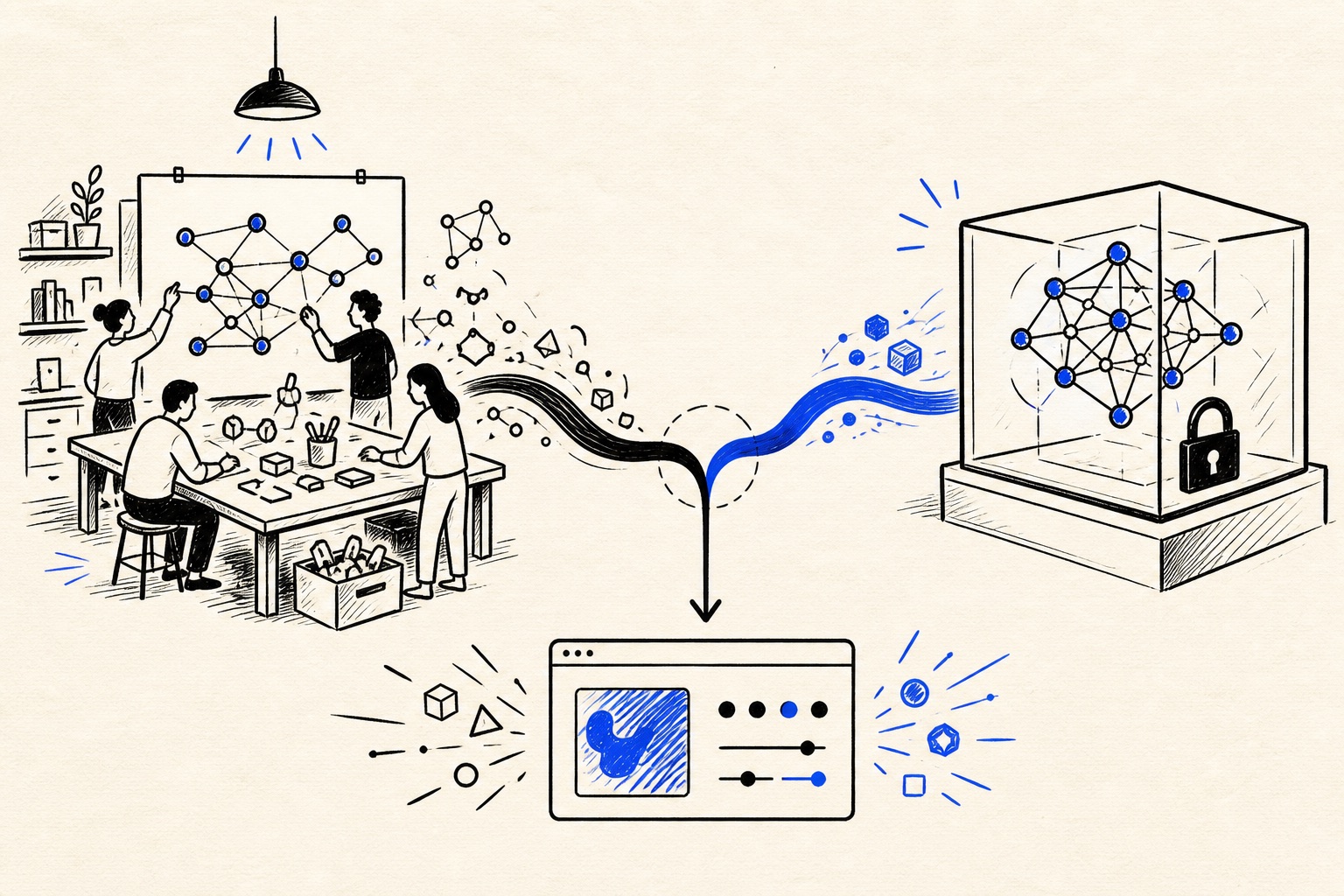
Model access choices shape cost, control, speed and product differentiation. There is no universal answer because the right decision depends on the job the system has to do.
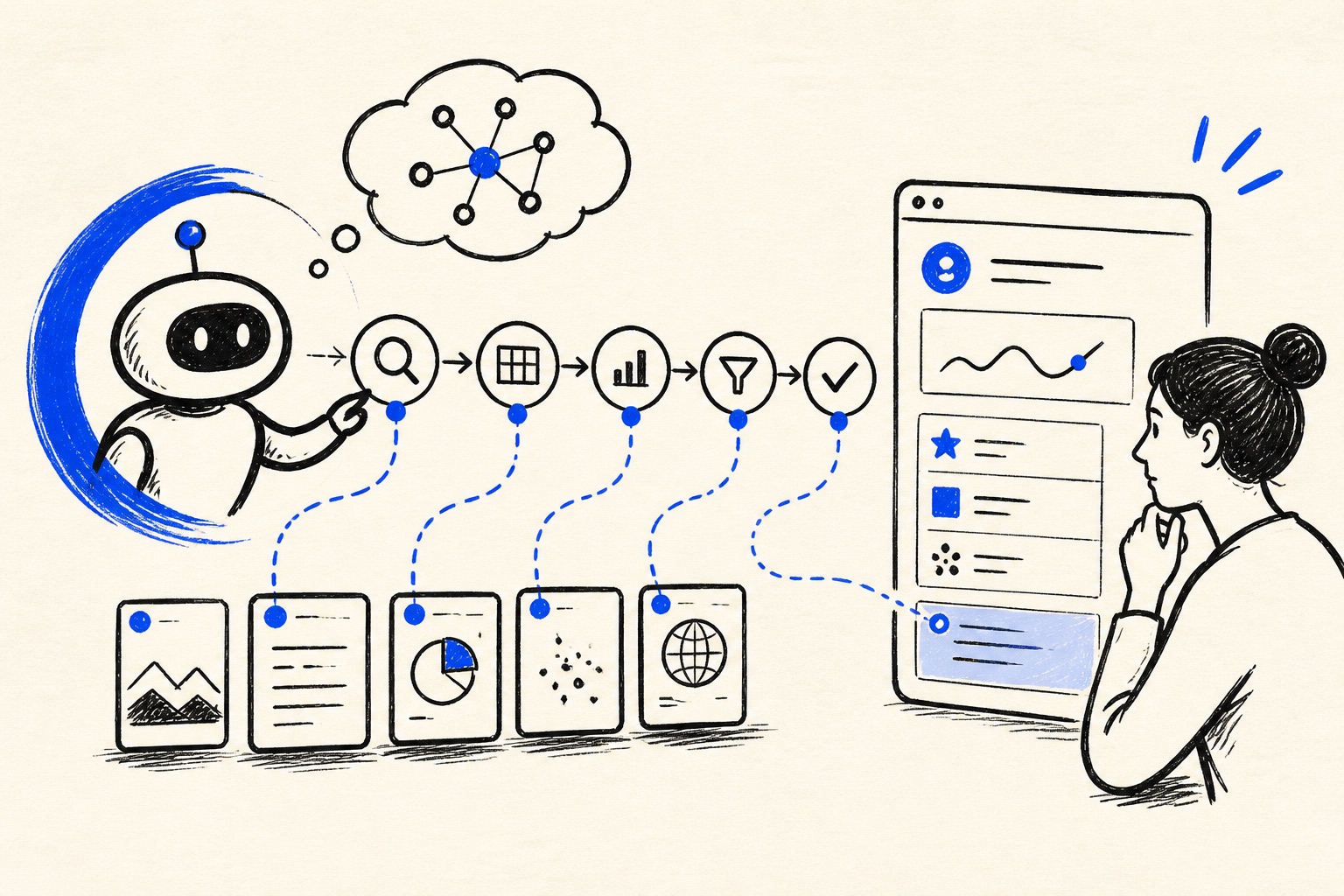
As AI systems take multi-step actions, logs and traces are no longer only engineering tools. They are part of the explanation customers need when a system acts on their behalf.
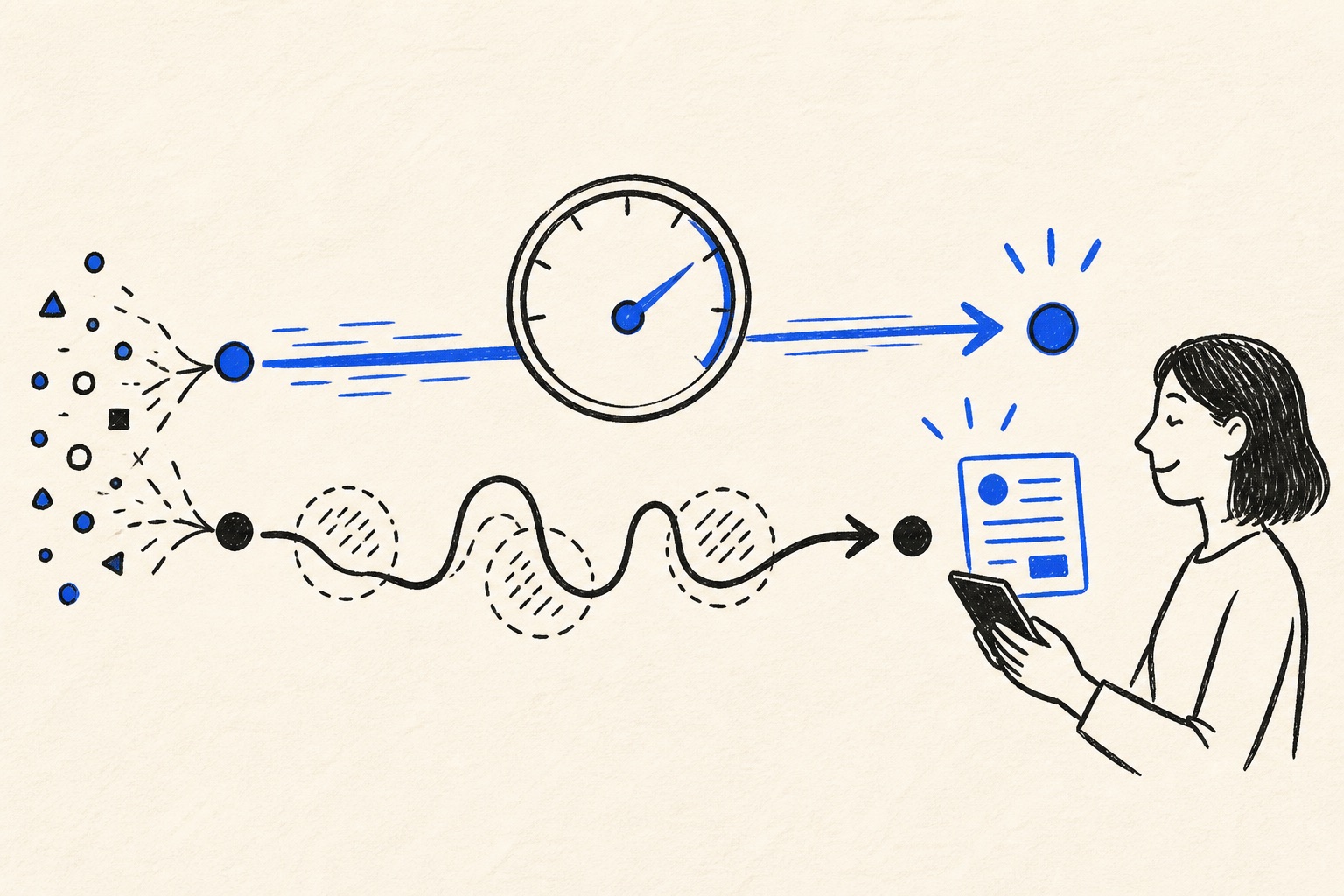
Response time shapes what customers will delegate to a system, what a human will tolerate during work and which model architecture makes commercial sense.
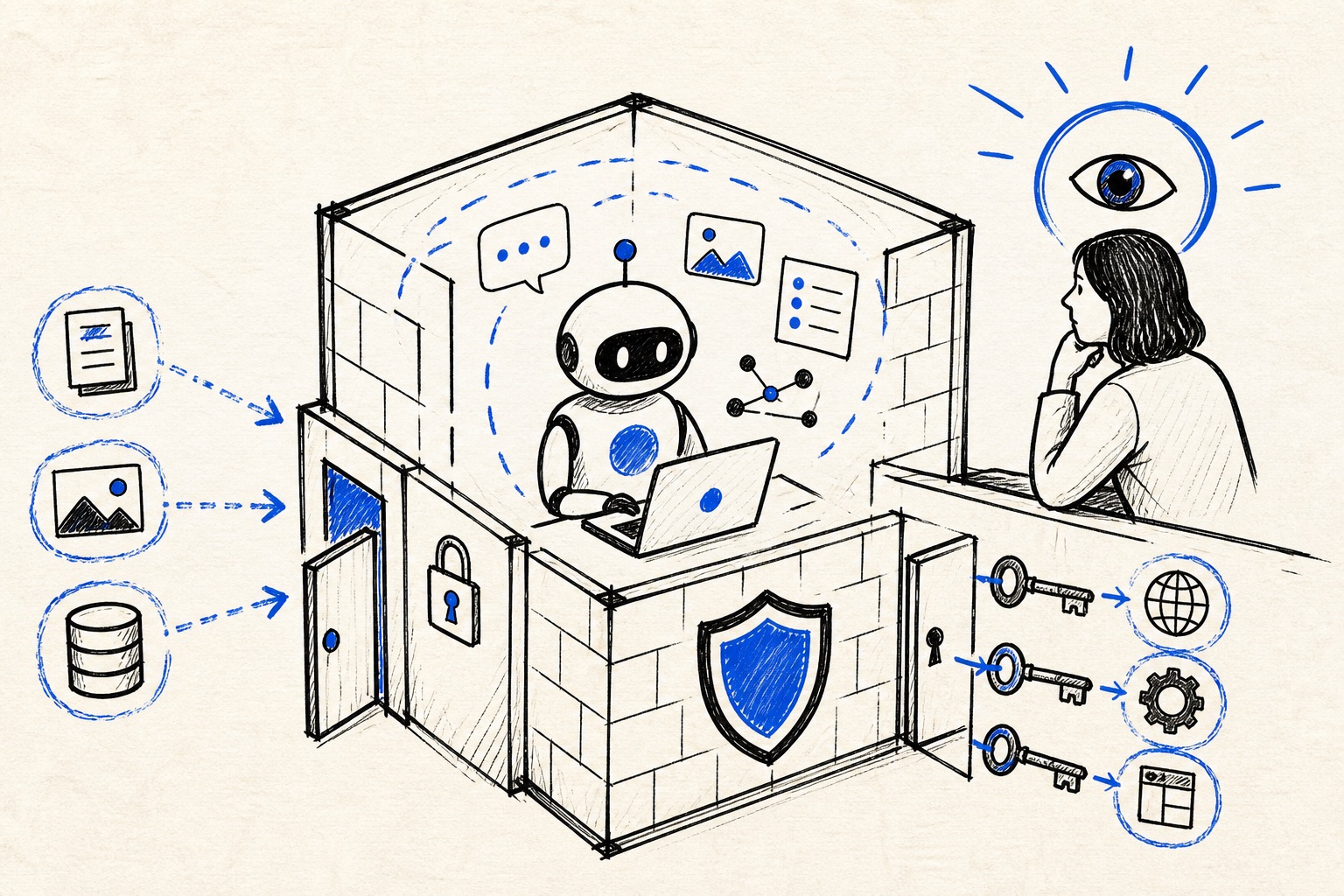
The key question is not whether an AI model is secure in isolation. It is what information, tools and authority the surrounding system gives it.
Smaller specialized models can reduce cost and latency, but the real value comes from knowing which part of the customer experience must retain frontier-level capability.
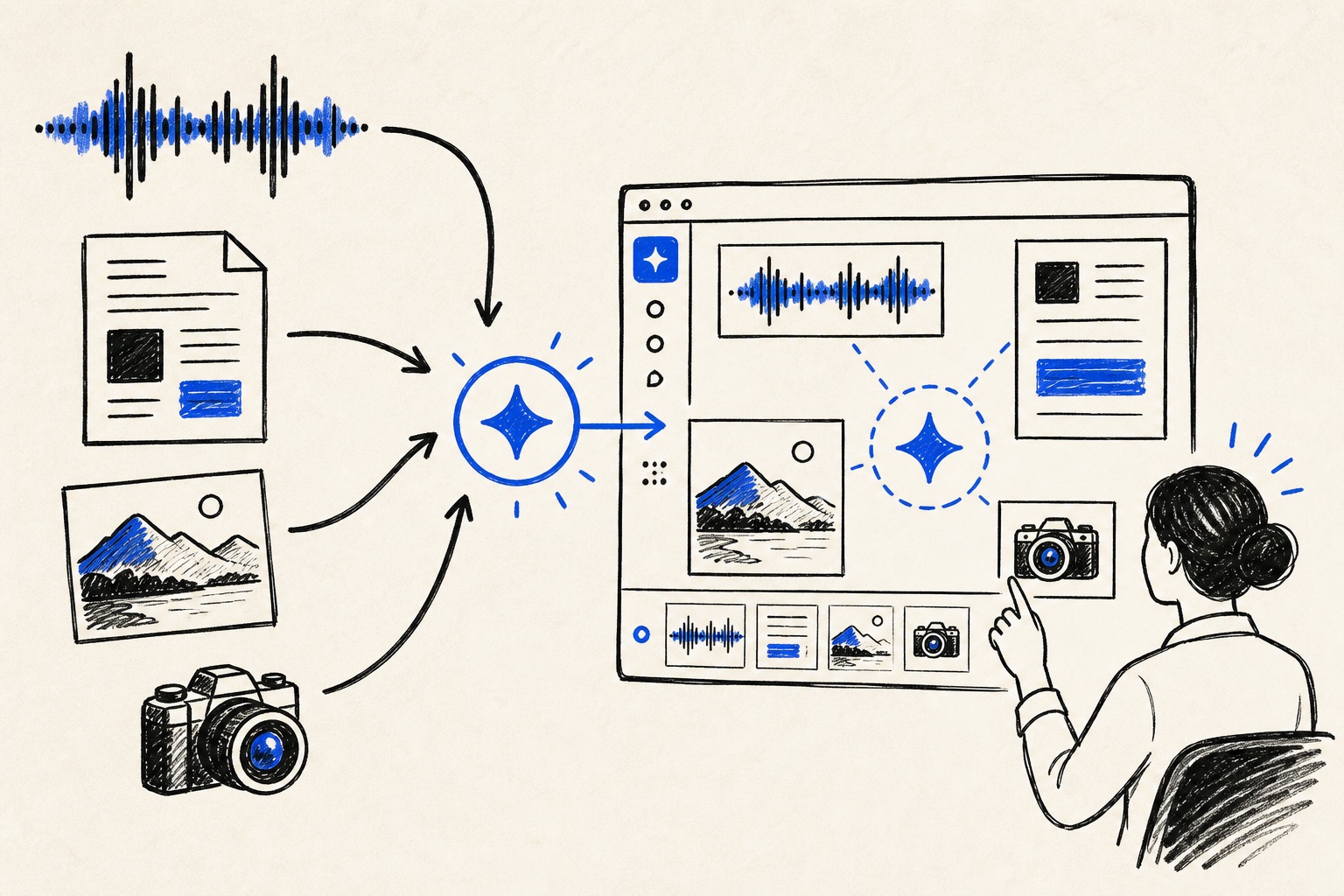
Images, voice, documents and text can make AI more natural to use, but the best products will still need a clear way for people to inspect, correct and direct the system.
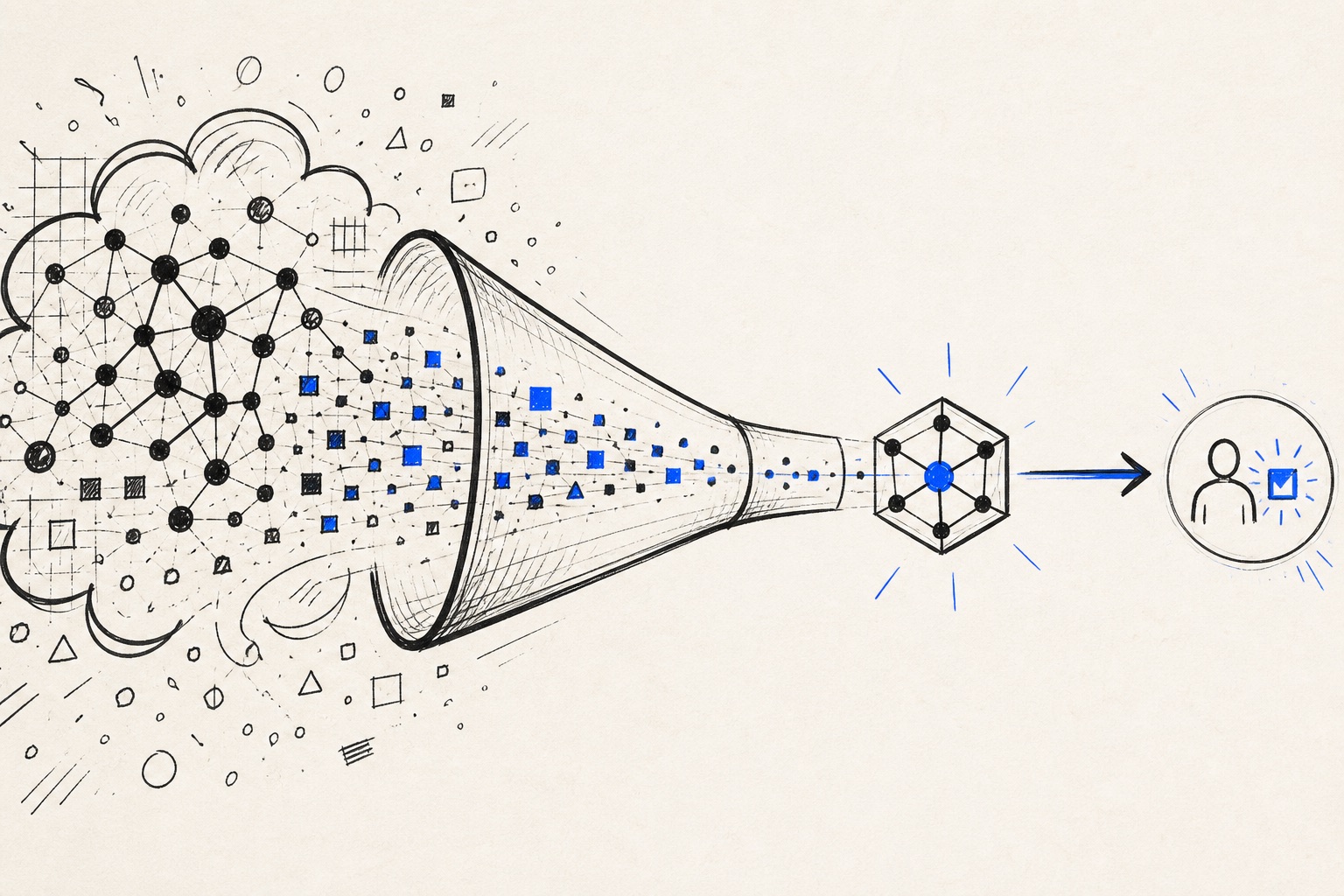
Customers will increasingly ask not only what an AI system says, but what evidence it used, whether that evidence is current and how they can verify the answer.
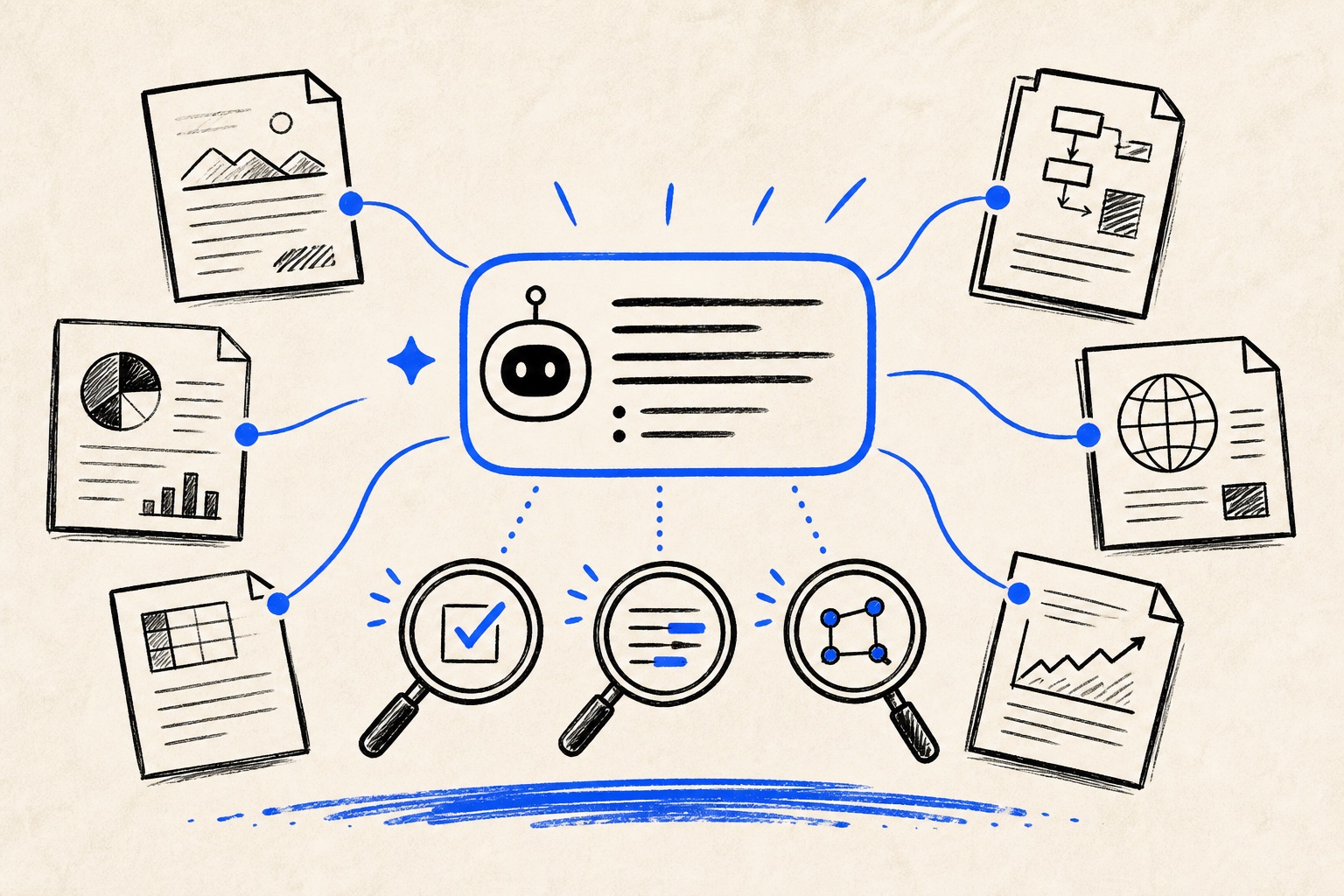
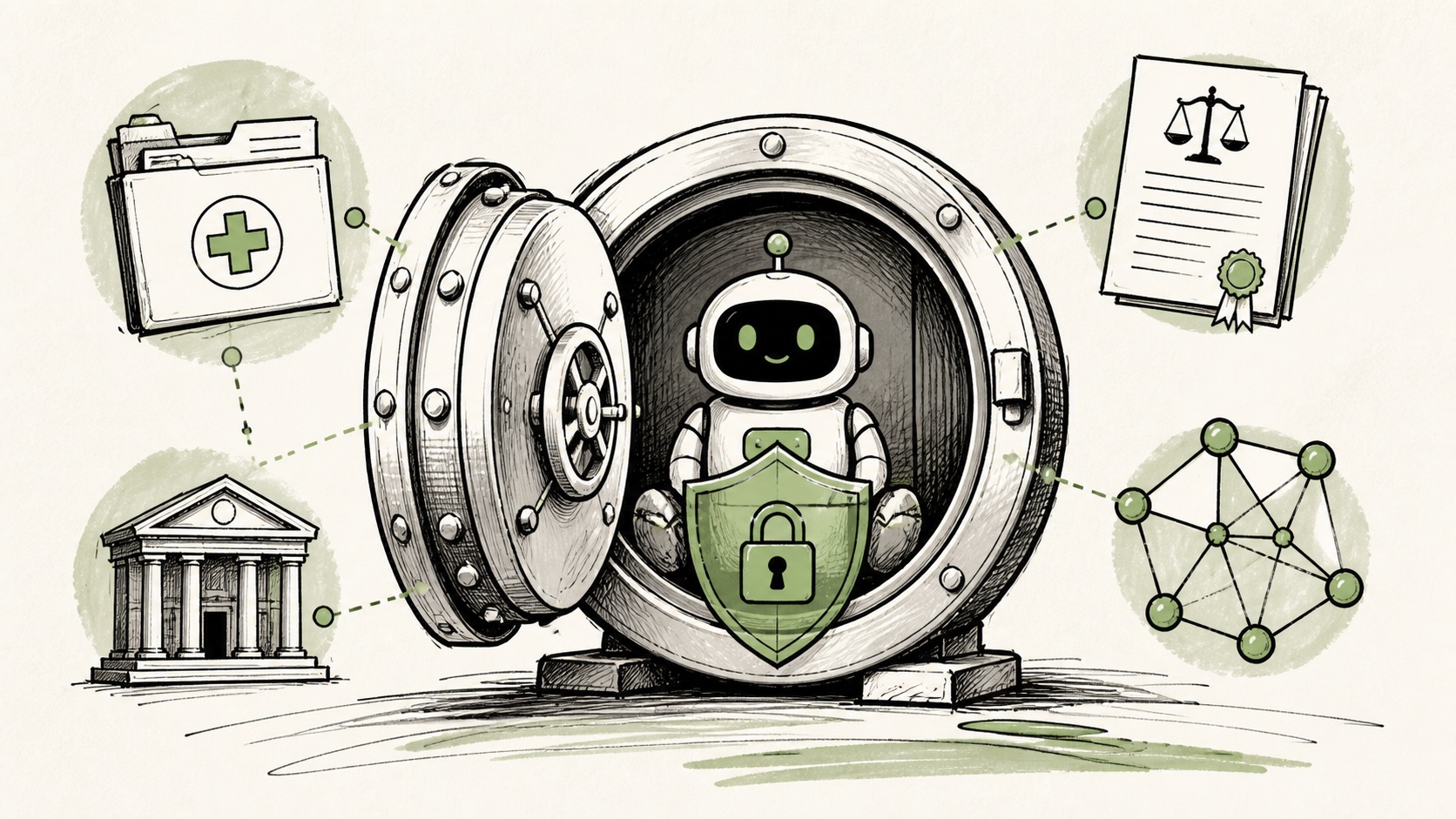
The market for private AI is growing wherever useful context cannot be casually sent to a shared external service.
A smaller model can win when the task is narrow, latency matters and the operator values predictable behavior over maximum breadth.

Many security failures begin inside routine email, access, vendor and support processes long before an alert reaches the security operations center.

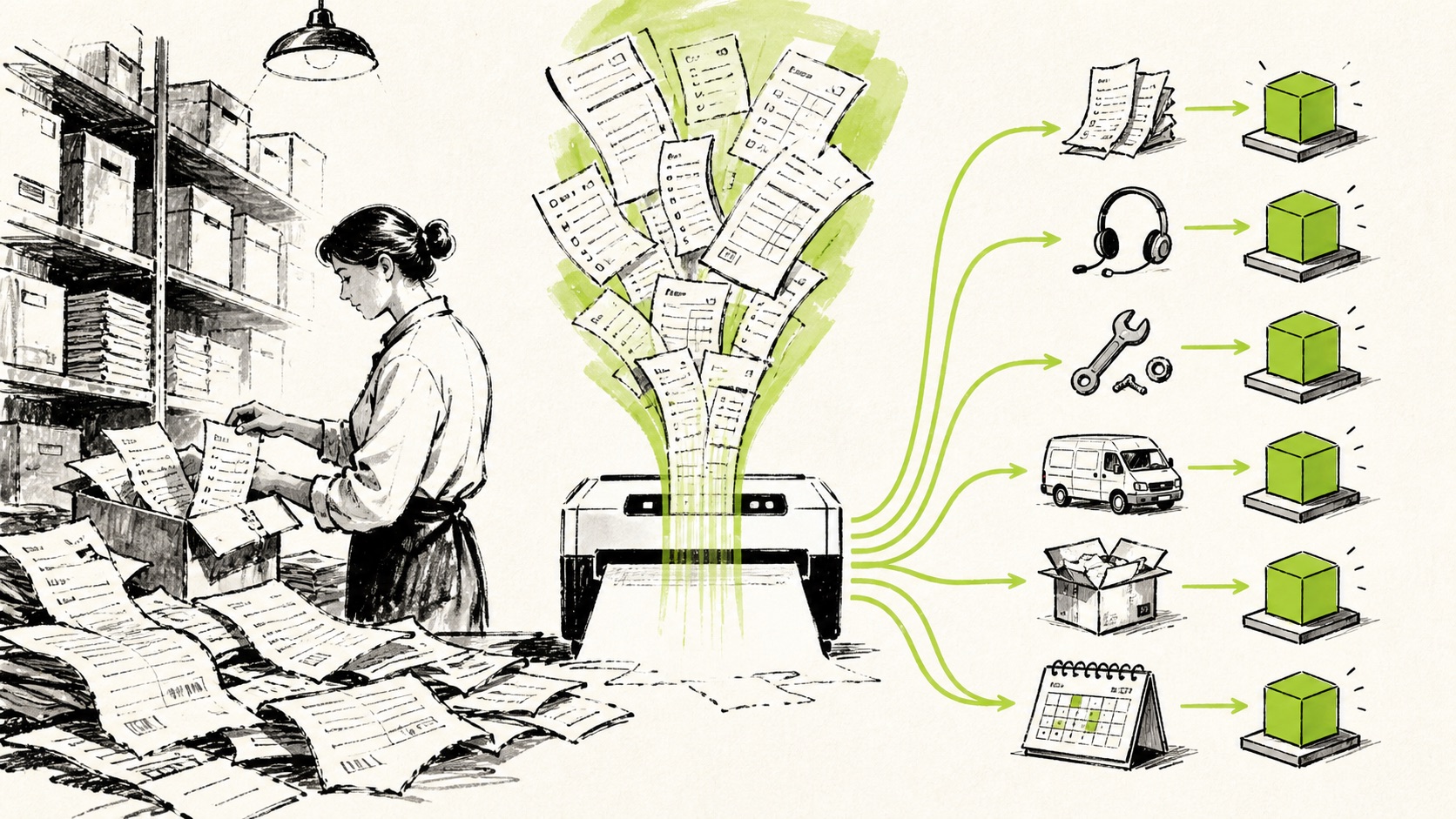
Companies already possess valuable signals inside tickets, calls, maintenance records and schedules. The opportunity is to turn them into trusted decisions.
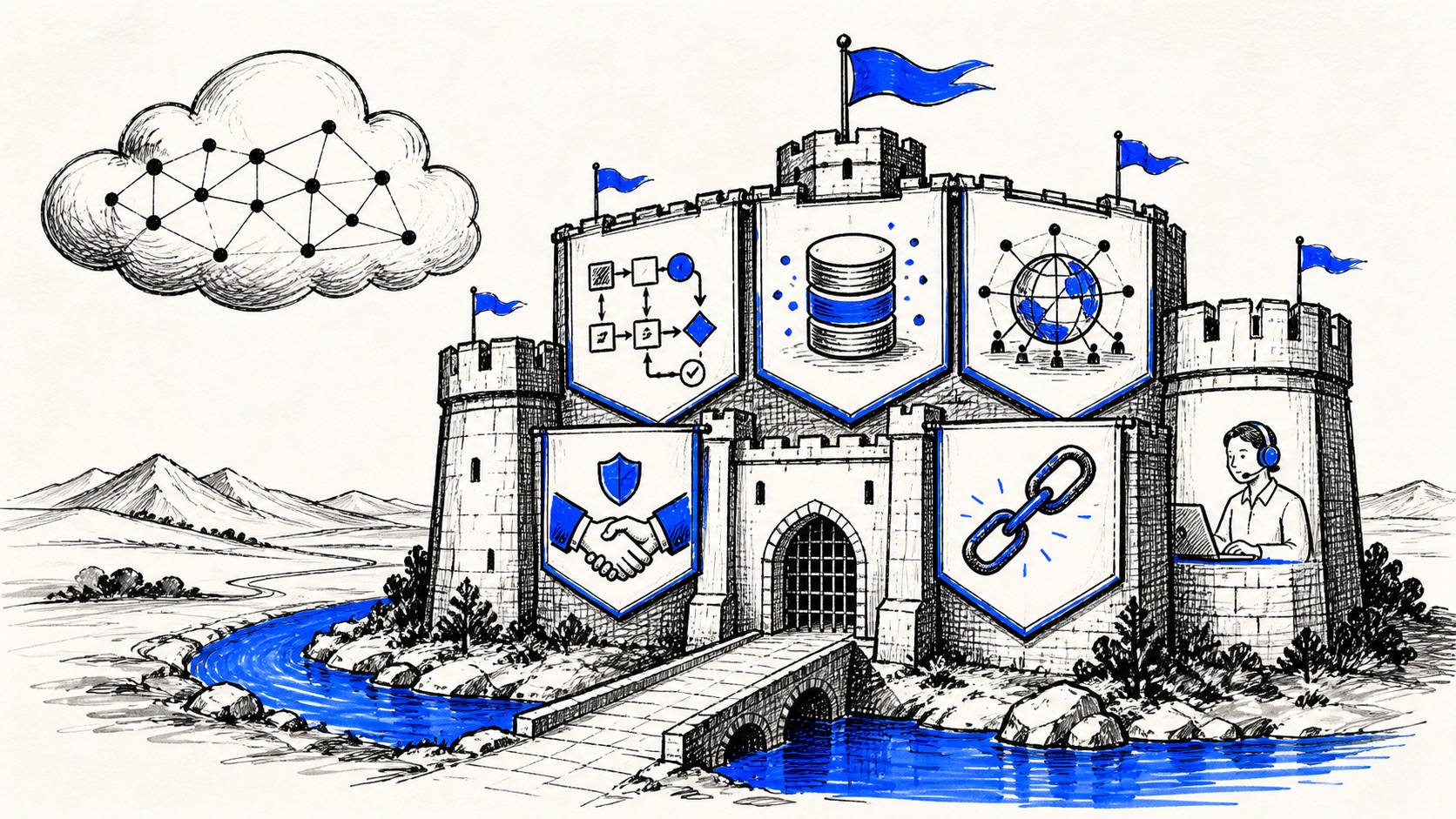
Model capability diffuses quickly. Durable advantage usually accumulates closer to the customer, the workflow and the evidence of trust.
Practical starting points, buyer problems and offer angles for the AI economy. Download it now and get the next useful briefing.