Ideas
Human taste may become more valuable in the AI era
When generating options becomes cheap, the scarce skill is often the ability to choose what is appropriate, coherent and worth someone else’s attention.

News, markets and business in the age of artificial intelligence.
Analysis, arguments and practical field notes.
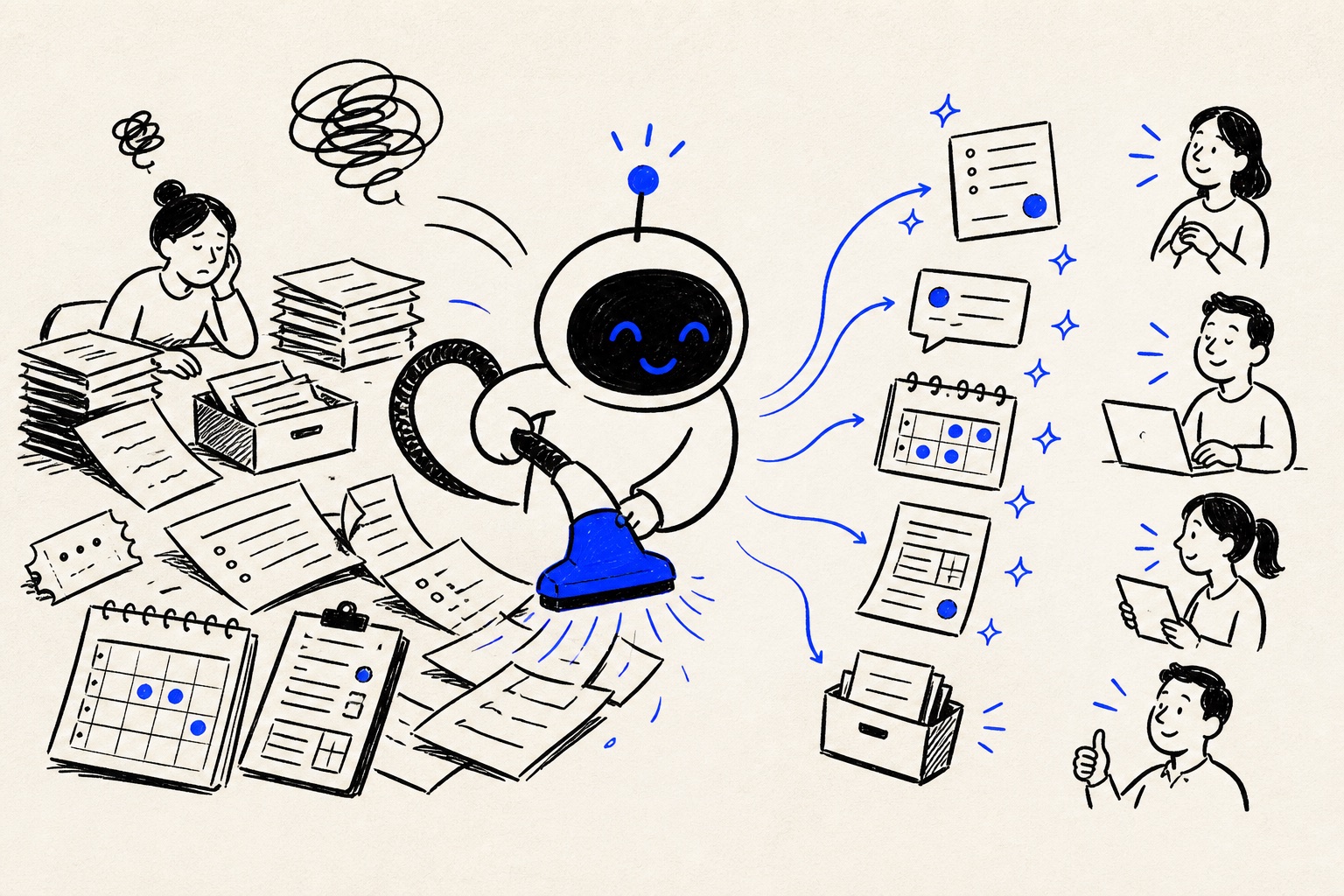
The most consequential AI gains may come from less glamorous improvements: fewer missing details, faster handoffs and more reliable follow-through in ordinary systems.
When generating options becomes cheap, the scarce skill is often the ability to choose what is appropriate, coherent and worth someone else’s attention.
A tool can save an individual time while making an organization busier if the saved time is immediately converted into more low-value output and more coordination.
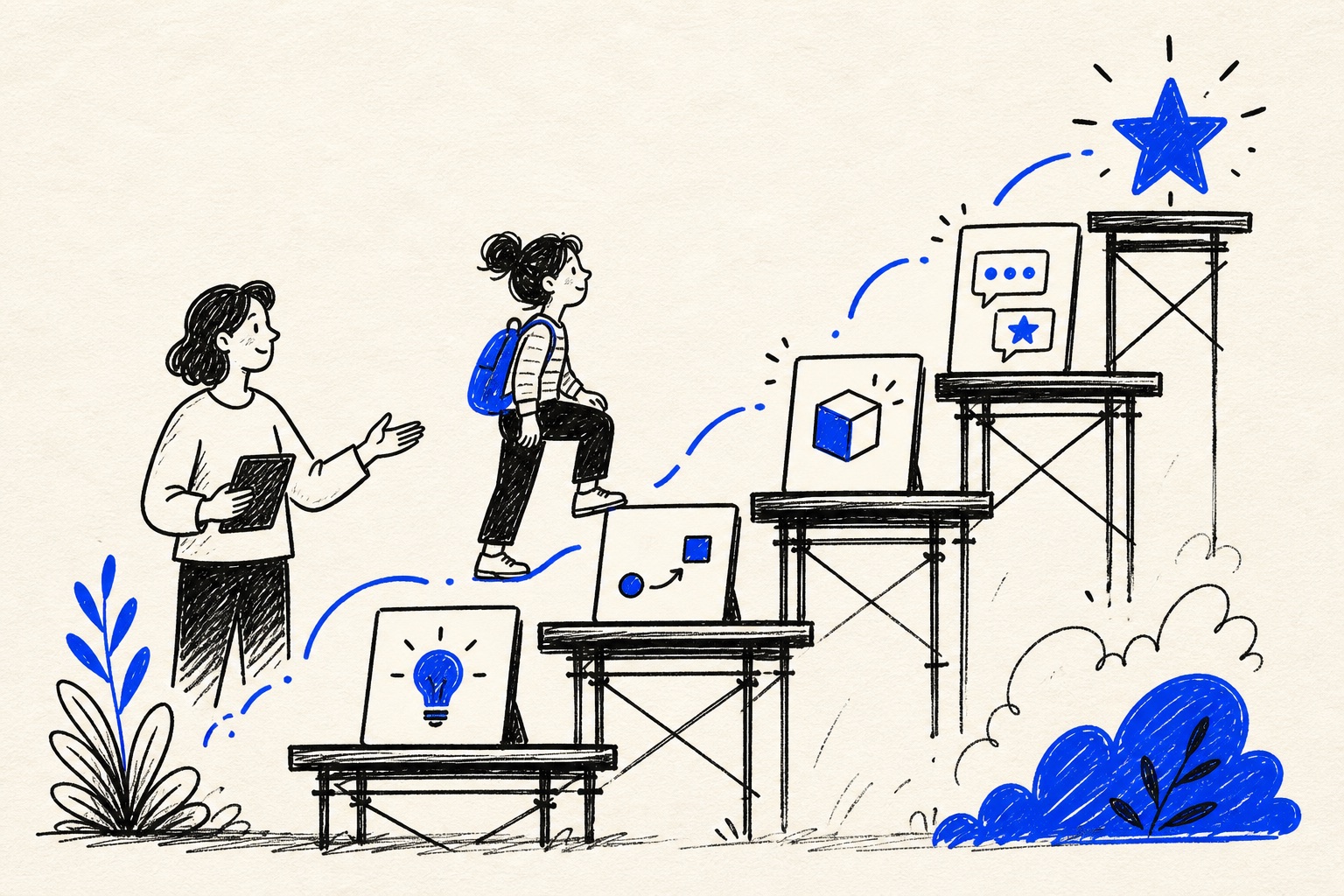
The most useful learning tools do not merely provide an answer. They help a person understand the next step, test their reasoning and build confidence that can survive outside the interface.
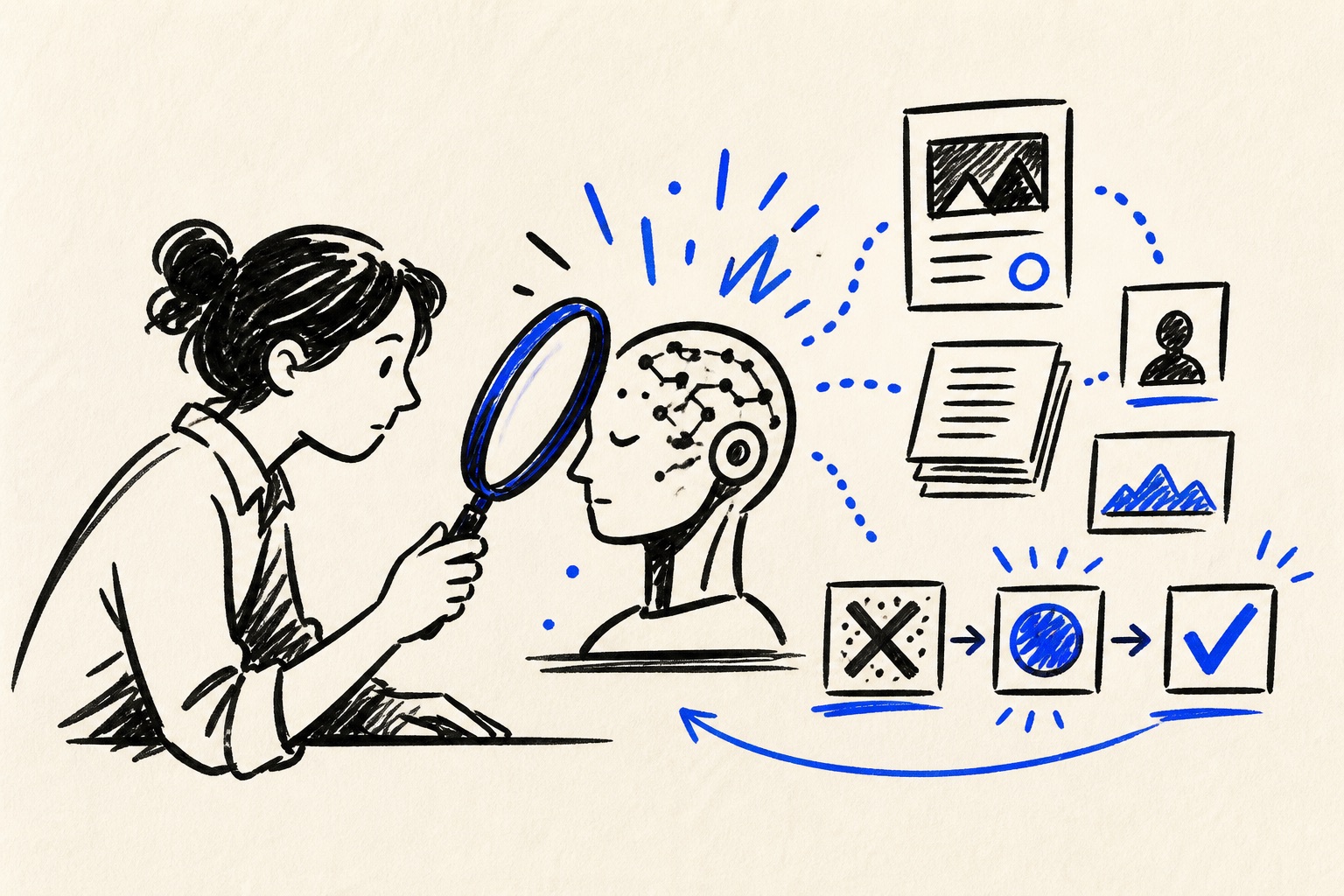
People need a practical way to inspect important outputs, understand their basis and correct a system when the result affects their work, money or access to service.
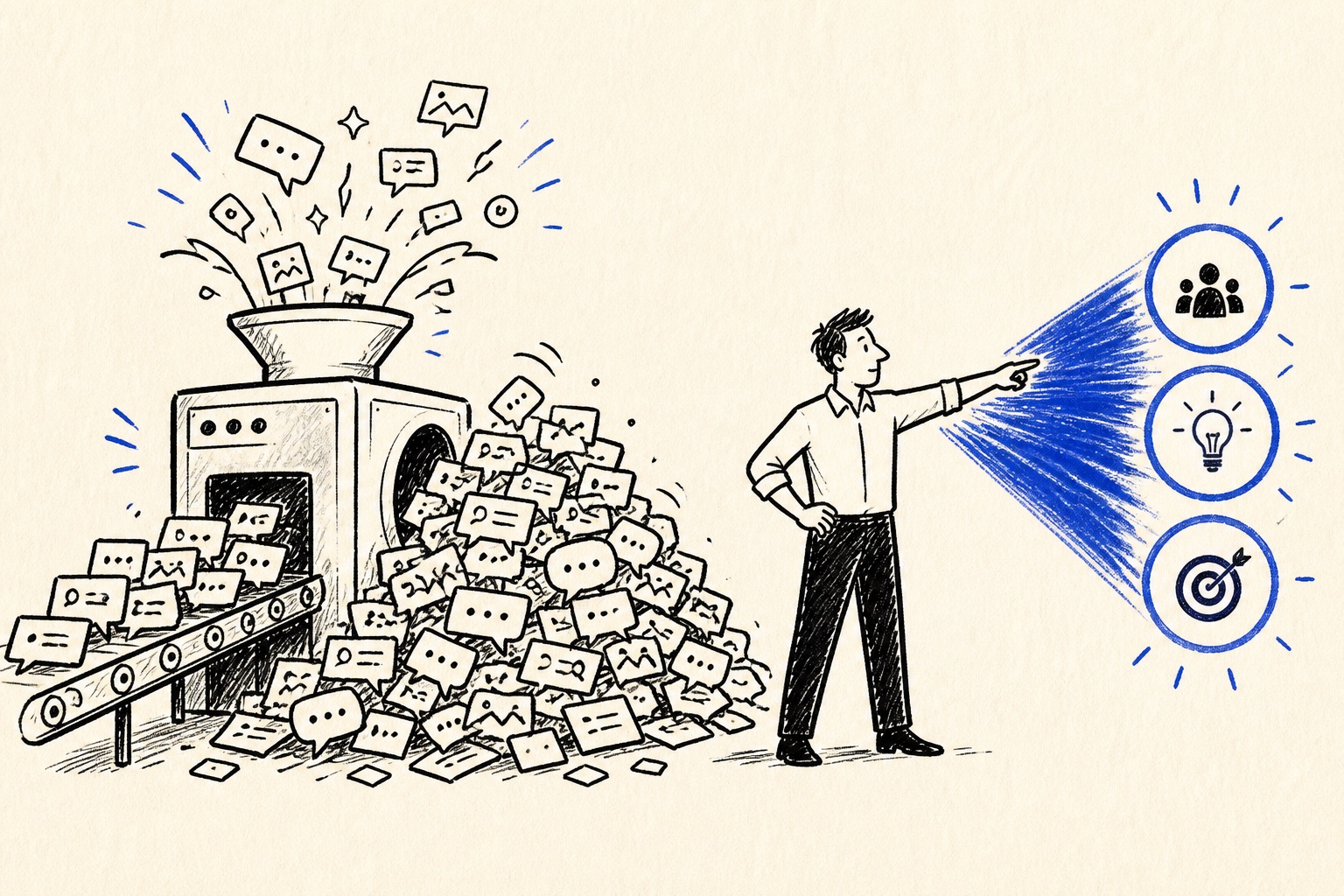
When content, analysis and outreach become cheap to generate, the scarce resource is the person who has to read, review or respond to the result.

A company’s real AI culture is not found in a launch memo. It is visible in how people share prompts, challenge outputs, report mistakes and decide what is safe to try.
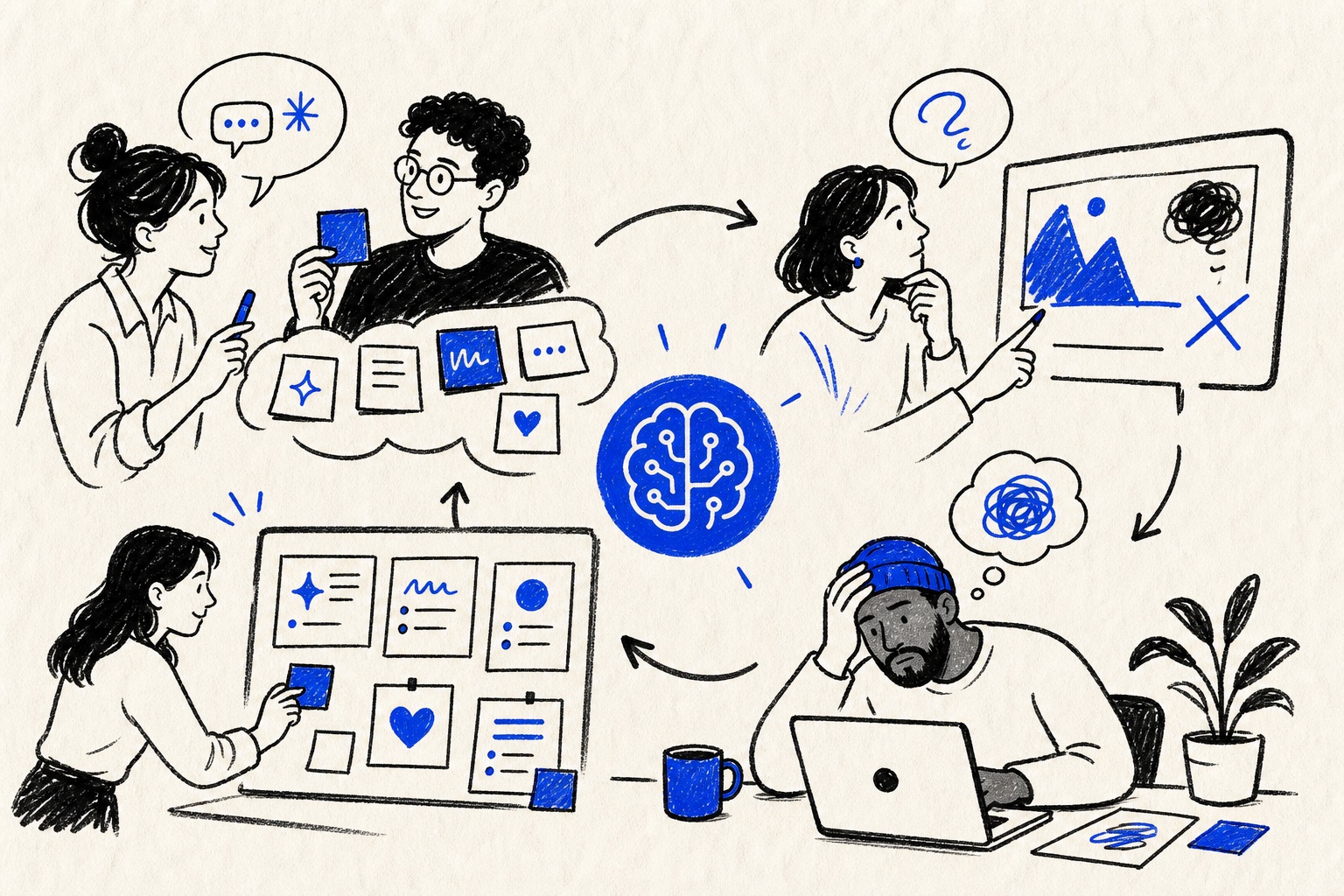
Data centers, power demand and digital capacity now affect communities as directly as many traditional infrastructure projects, which means the public conversation has to become more concrete.

When a system can take several actions across tools, the first organizational question is who owns the decision path, the authority granted and the recovery when a result is wrong.
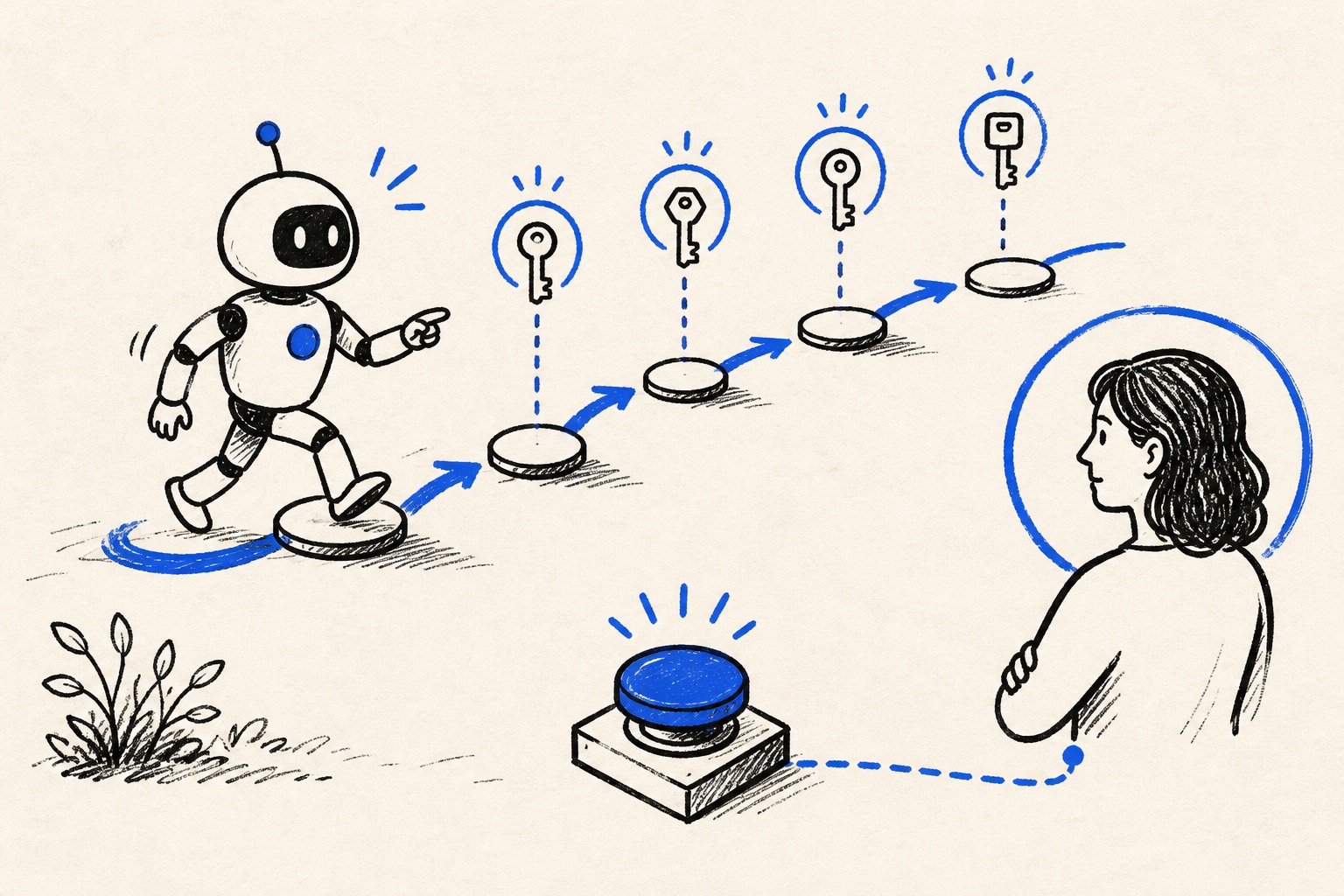
As tools and models change, the organizations that can absorb evidence, update a shared method and teach one another will outperform those that treat each deployment as an isolated project.
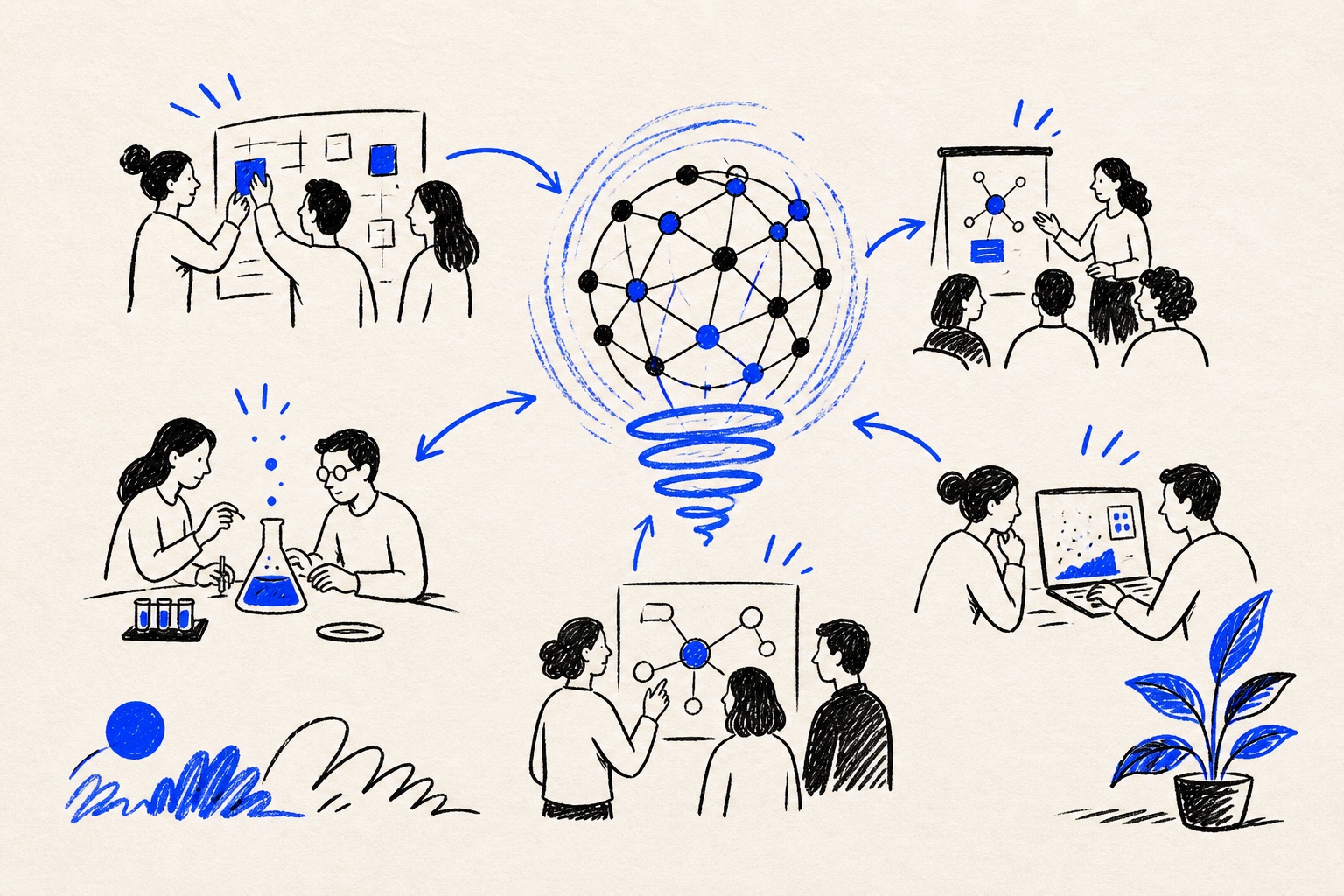
A small operating stack should remove context switching and produce finished work, not create another collection of subscriptions.

Pricing works when the customer can connect the bill to a unit they understand and the provider can absorb normal variation in delivery cost.
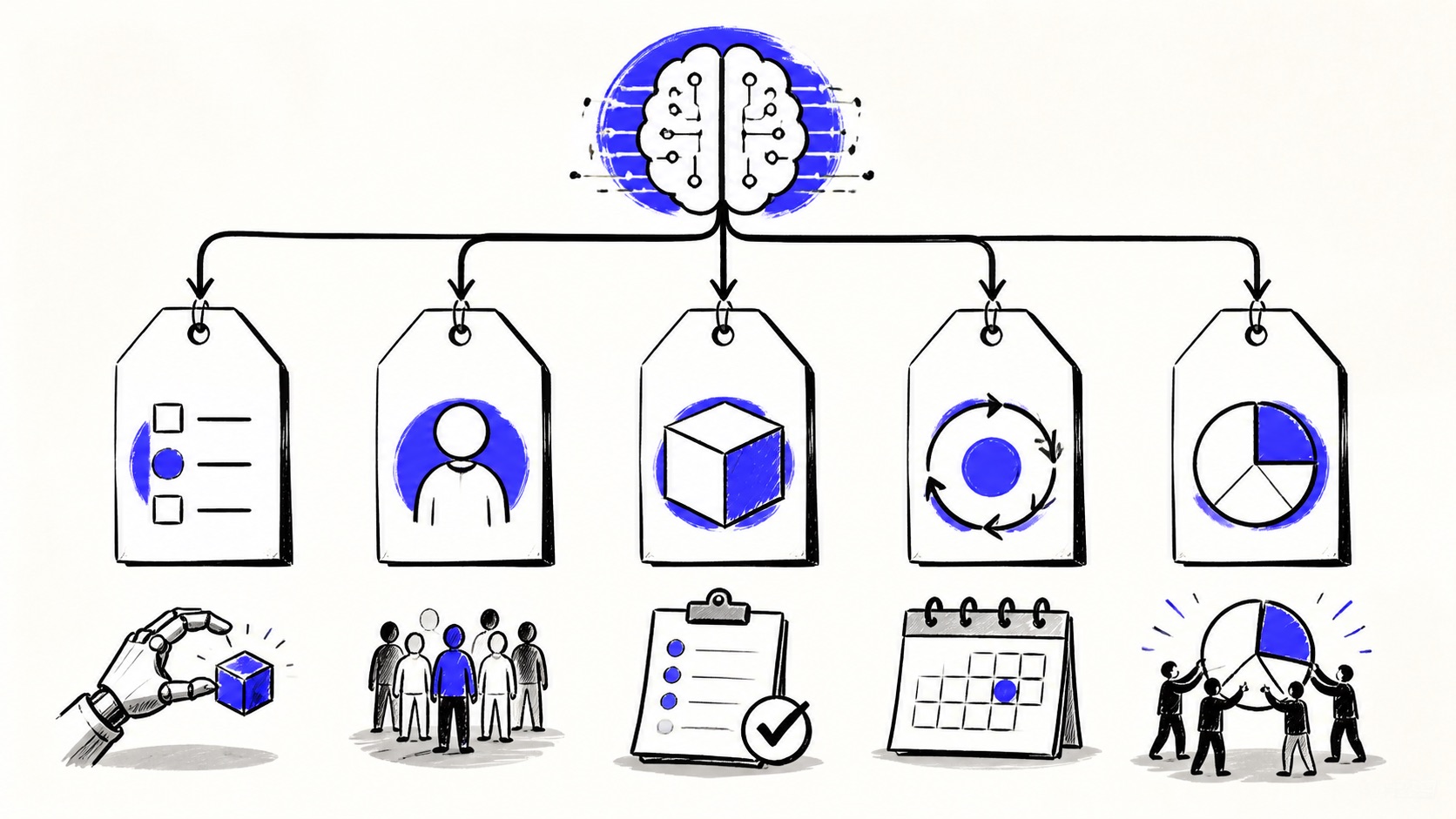
Strategy work improves when AI makes evidence easier to collect and compare without hiding uncertainty or replacing the final decision.
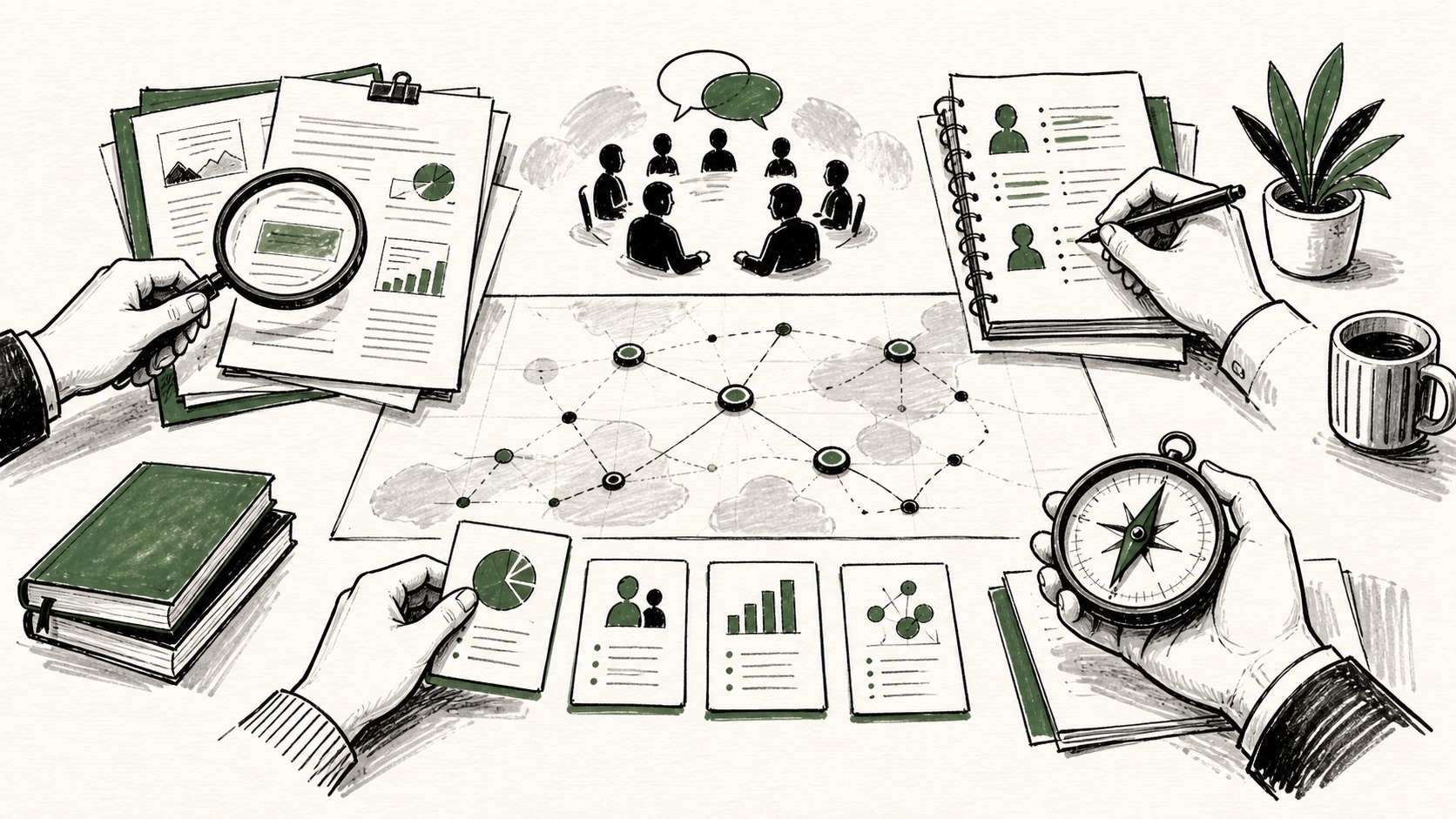
A useful AI audit finds one measurable bottleneck and produces a testable operating plan, not a long list of tools.
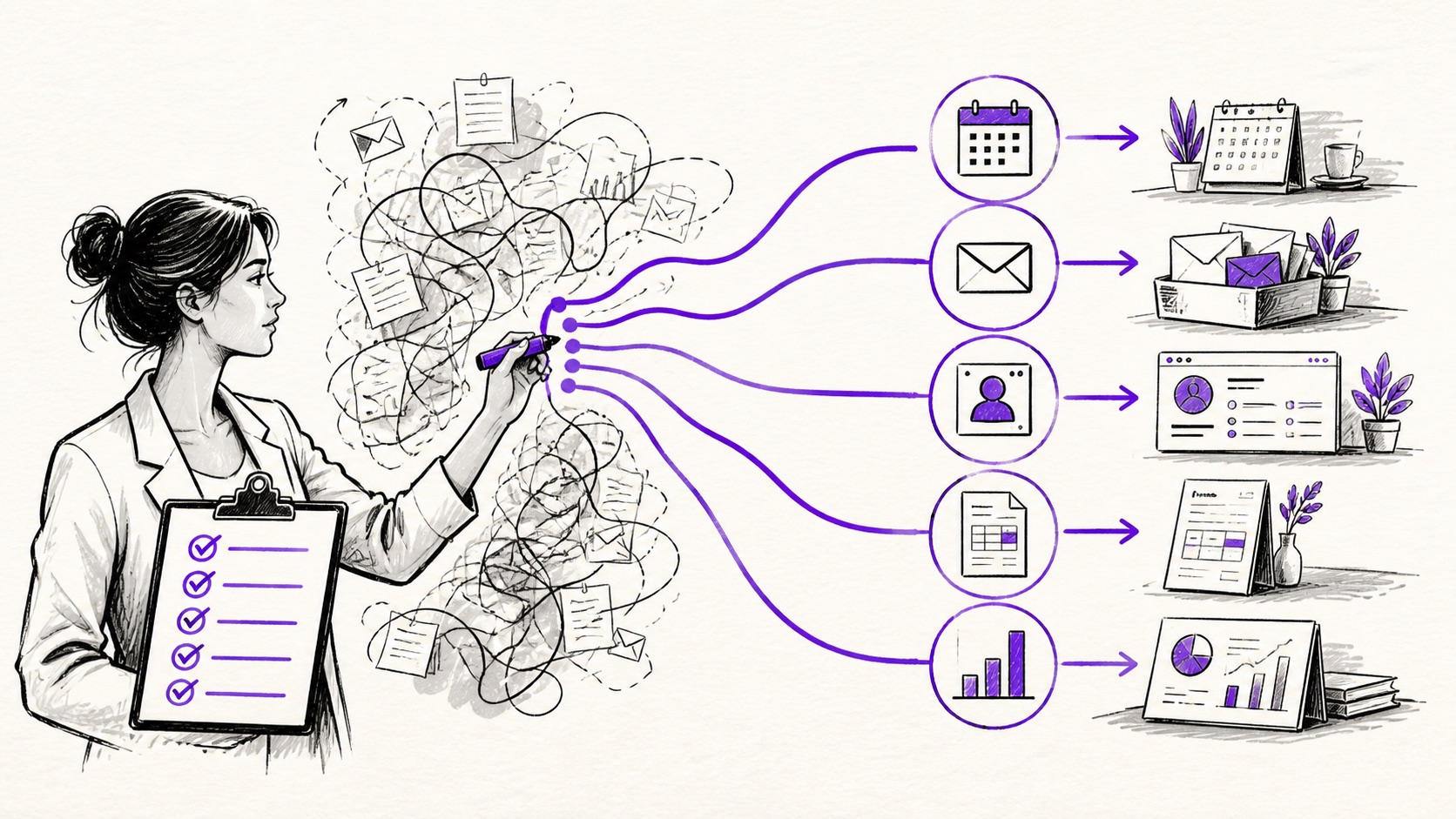
Practical starting points, buyer problems and offer angles for the AI economy. Download it now and get the next useful briefing.