The AI productivity paradox is a management problem
A tool can save an individual time while making an organization busier if the saved time is immediately converted into more low-value output and more coordination.

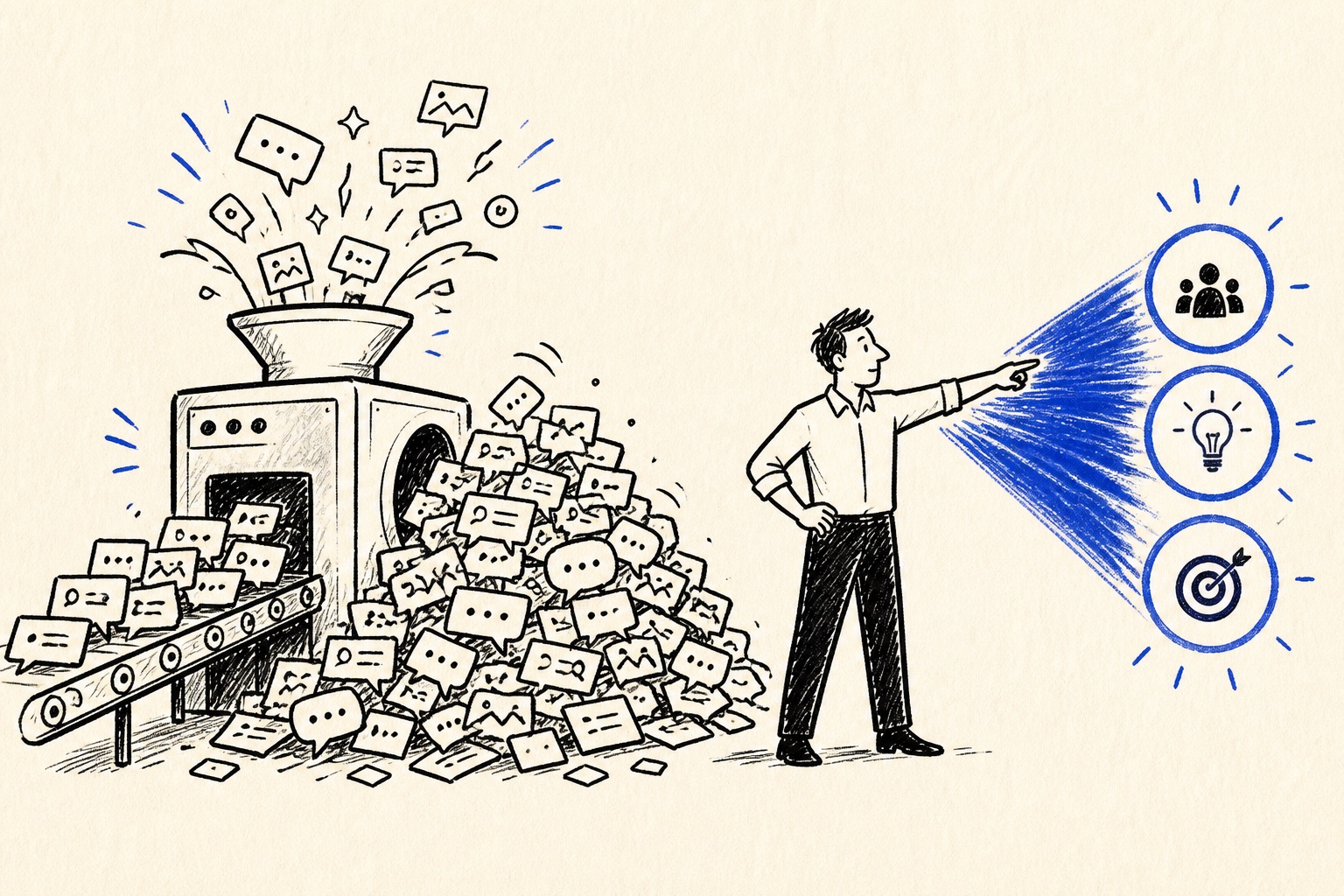
People can use AI to draft faster, summarize more and process more requests. Yet many teams still feel busier rather than more productive. The reason is not necessarily that the tool failed. It may be that the organization has not decided what to do with the time and attention it freed.
Productivity is not the same as output volume. It is the ability to produce a better result with less wasted effort. If AI simply increases the number of documents, messages and meetings that people must review, the company can create a new kind of congestion.
Saved time needs a destination
When a task becomes faster, leaders should ask where the returned time should go. It might support deeper customer work, better quality review, training or the removal of a backlog that has been neglected. Without a deliberate answer, the time is often consumed by new requests because the organization has made it easier to ask for more.
This is a management decision. The team needs permission to use the gain for something that improves the system rather than simply proving that it can produce a larger quantity of the same material. Otherwise AI becomes another accelerator attached to an unclear operating model.
More drafts can create more review
A model can generate ten options in the time it once took to prepare one. That is valuable only if the decision process can handle the options without creating a new bottleneck. If senior people are asked to review every variation, the work may move upward rather than disappear.
Teams can avoid this by defining standards and decision rights. They can decide which outputs require review, which can be accepted within a template and which should not be produced at all. The point is to design a flow of work that gets better, not merely faster at the first step.
Productivity must include quality and attention
A useful measure of productivity includes the cost of correction, the attention required to make a decision and the impact on the customer or colleague who receives the result. These measures reveal whether AI reduced total effort or only shifted it into less visible work.
That broader view can make an organization more disciplined. It asks leaders to define what good work looks like and to protect the conditions that allow people to produce it. AI can contribute to that goal, but it cannot decide which work deserves the organization’s scarce attention.
The productivity gain is created by the choices that follow it
AI can return time to a team. Management determines whether that time becomes better service, better judgment and better work or simply a larger pile of material for someone else to process.