Business
AI procurement needs workflow evidence, not feature checklists
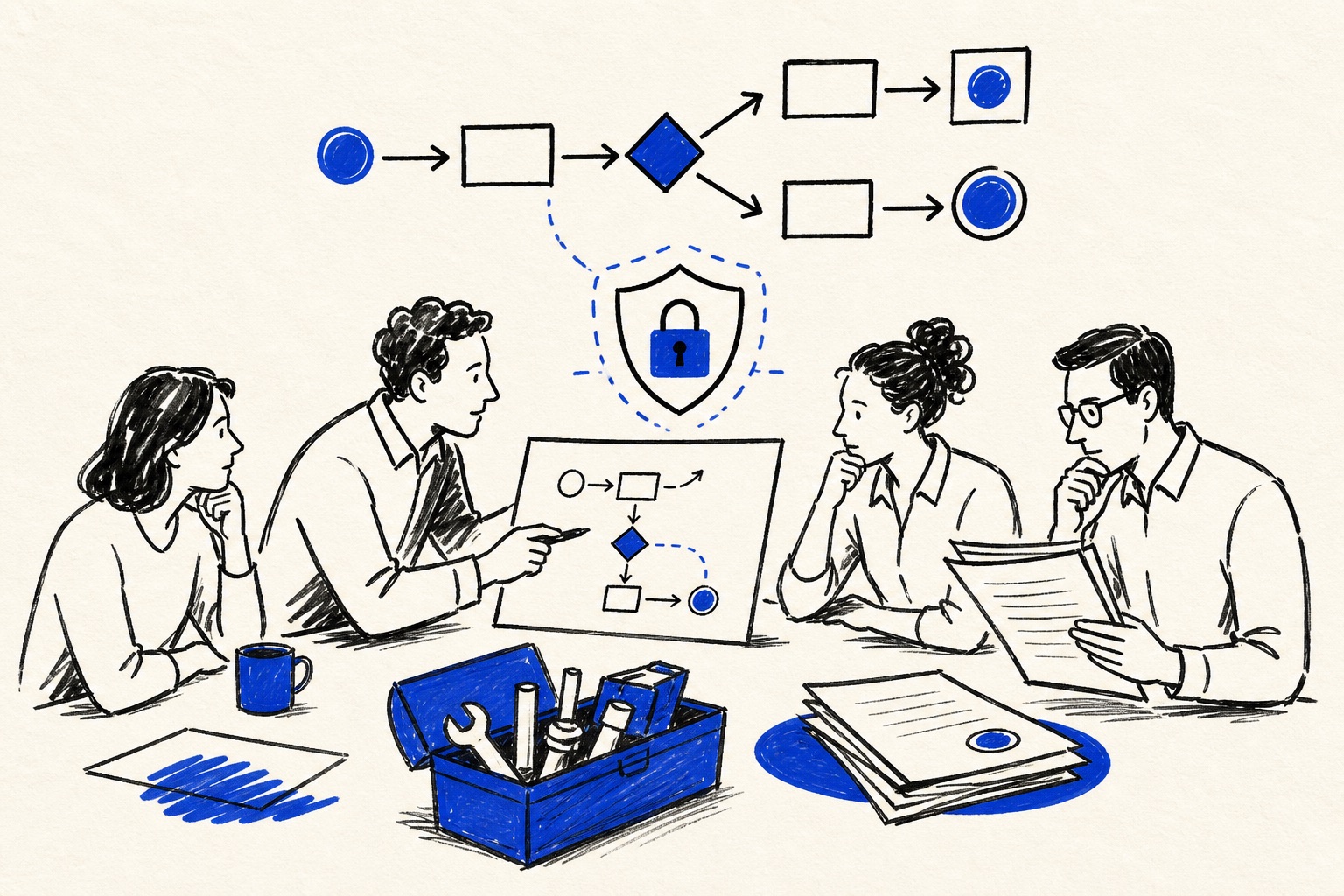
The right buying question is not which model is most impressive. It is which product can improve a defined workflow while preserving the controls the organization needs.
News, markets and business in the age of artificial intelligence.
How AI changes operations, customers and competition.
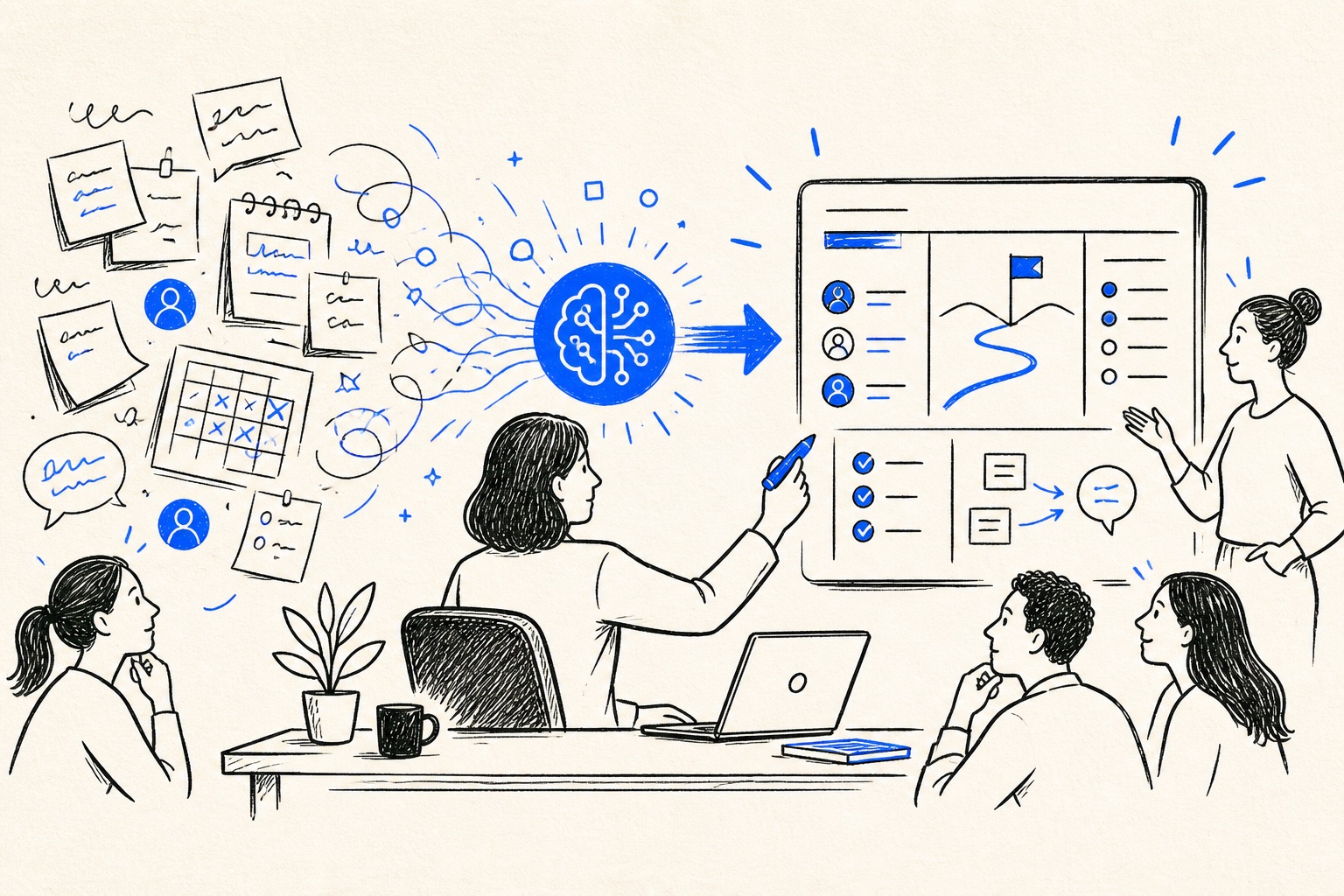
The first managerial shift is not fewer people. It is a new expectation that managers can turn scattered work into clearer decisions, feedback and follow-through.
The right buying question is not which model is most impressive. It is which product can improve a defined workflow while preserving the controls the organization needs.
As AI makes parts of delivery faster, professional service firms will need prices that reflect judgment, accountability and outcomes rather than the visible time spent producing a first draft.

Sales teams are accumulating assistants, recorders and automation tools faster than they are deciding who owns the customer data, messaging and quality of the process.

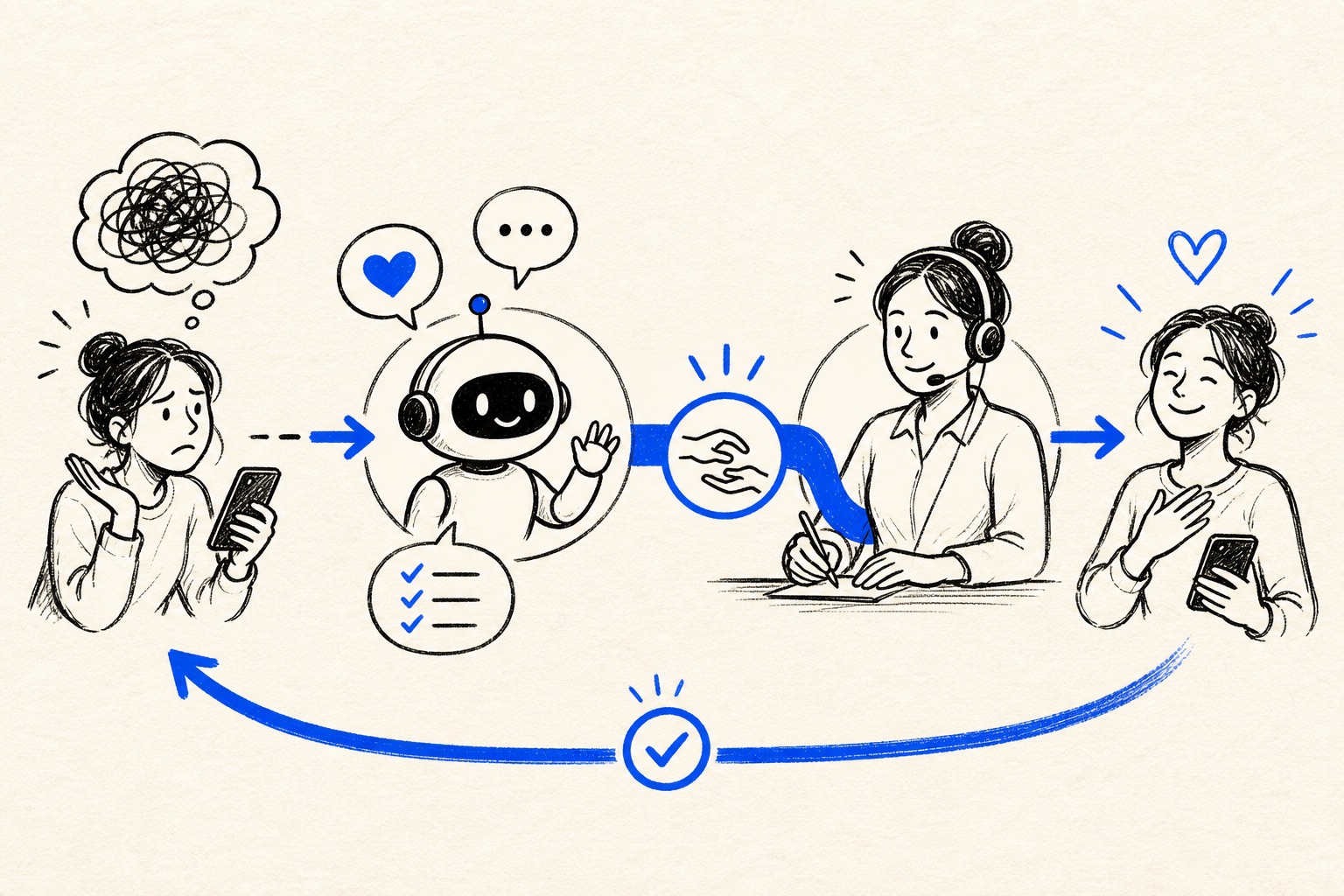
Customers may accept an automated interaction when it saves time. They lose patience when it traps them, obscures responsibility or makes recovery harder after something goes wrong.
General-purpose tools make it easier to begin many tasks. That may increase the value of specialists who know when a plausible answer is not a usable one.

Changing a model provider can be easier than changing the prompts, evaluation habits, data practices and team routines that grew around the original choice.
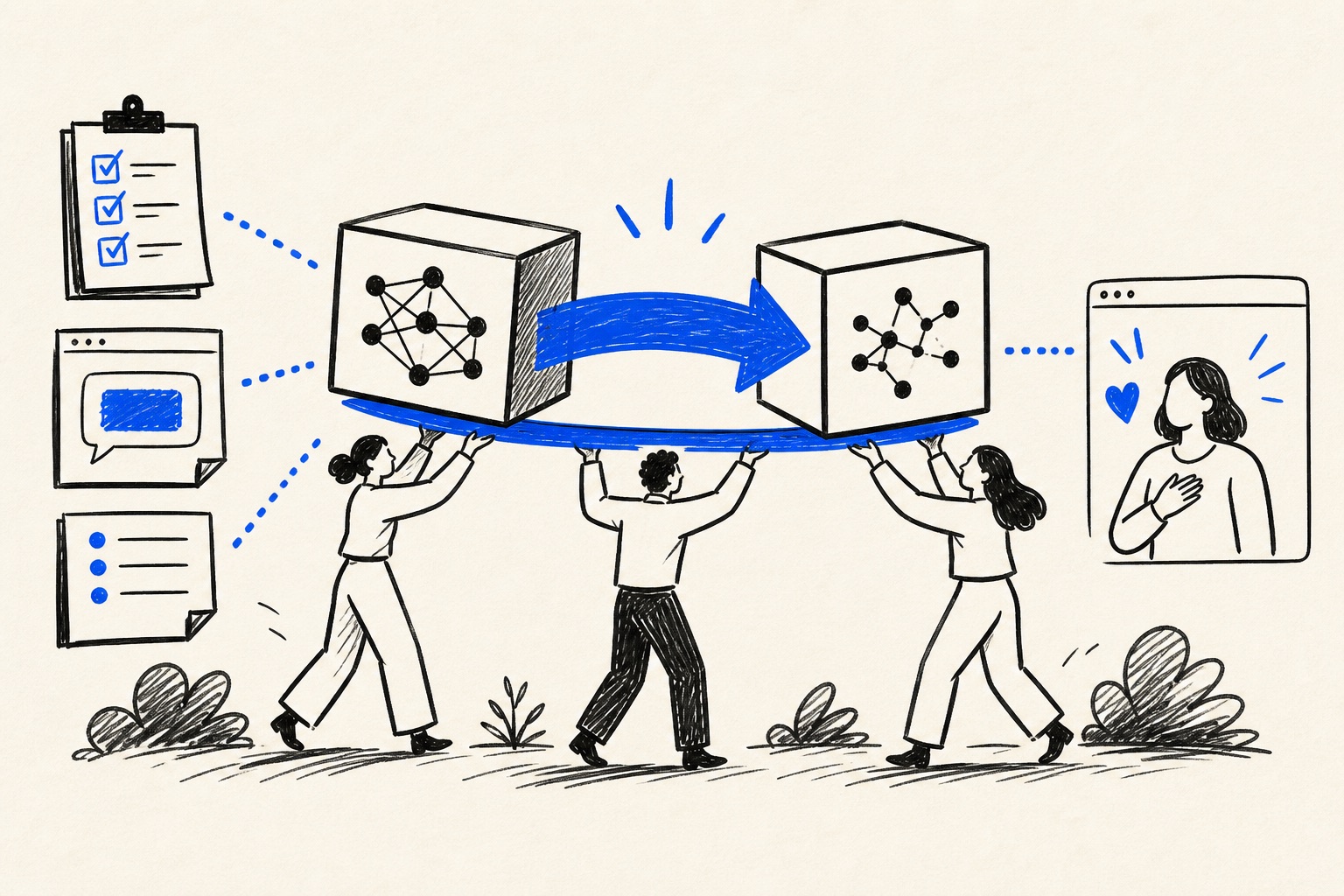
The most reliable AI workflows are not designed around the happy path. They are designed around what happens when the input is unusual, the confidence is low or the customer needs a person.
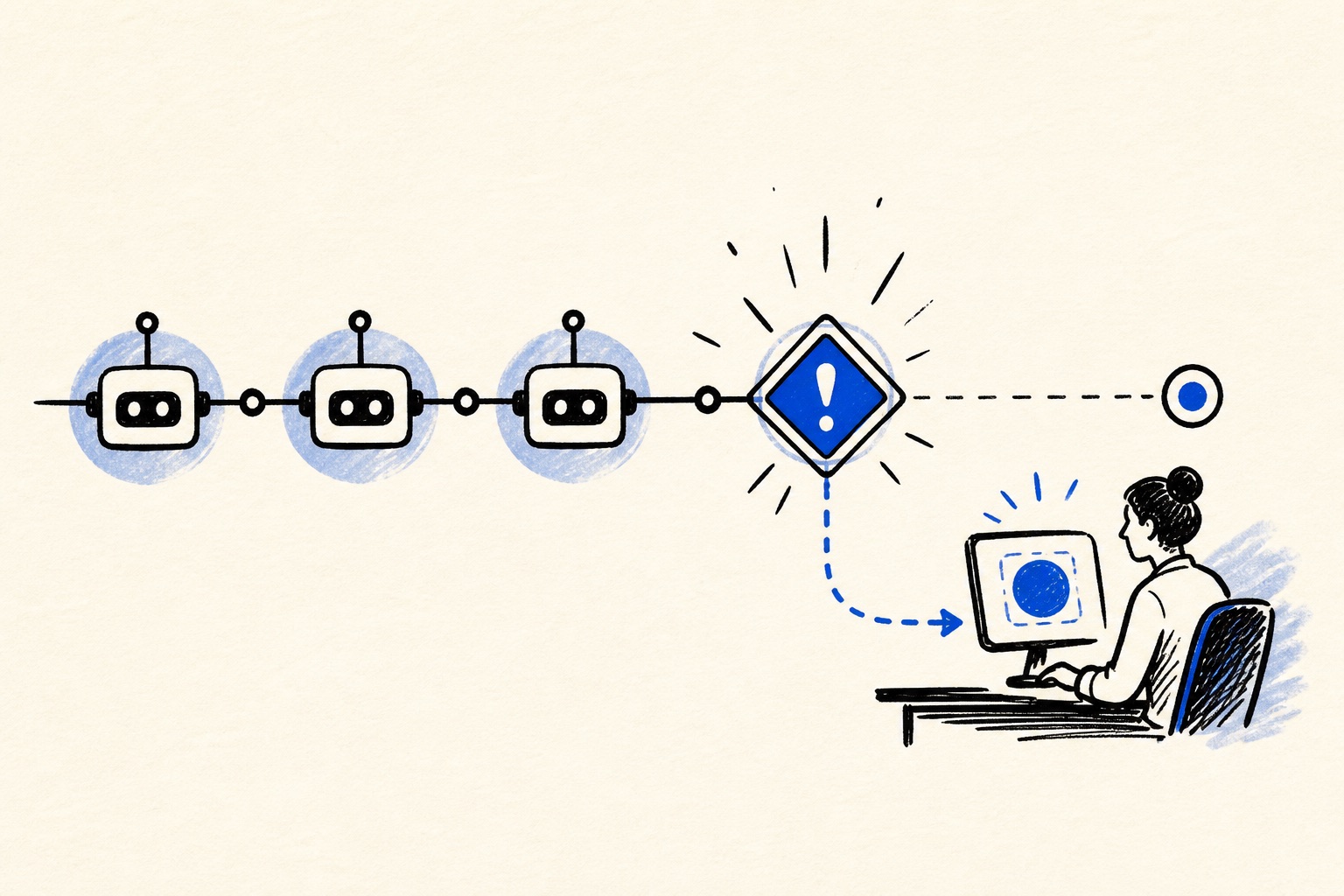
Generic transformation pitches are giving way to partners that understand a department, a workflow and the unglamorous work of adoption.

As routine production becomes faster, companies may rely more on specialists who can define standards, review difficult work and step in when an automated system reaches its limits.
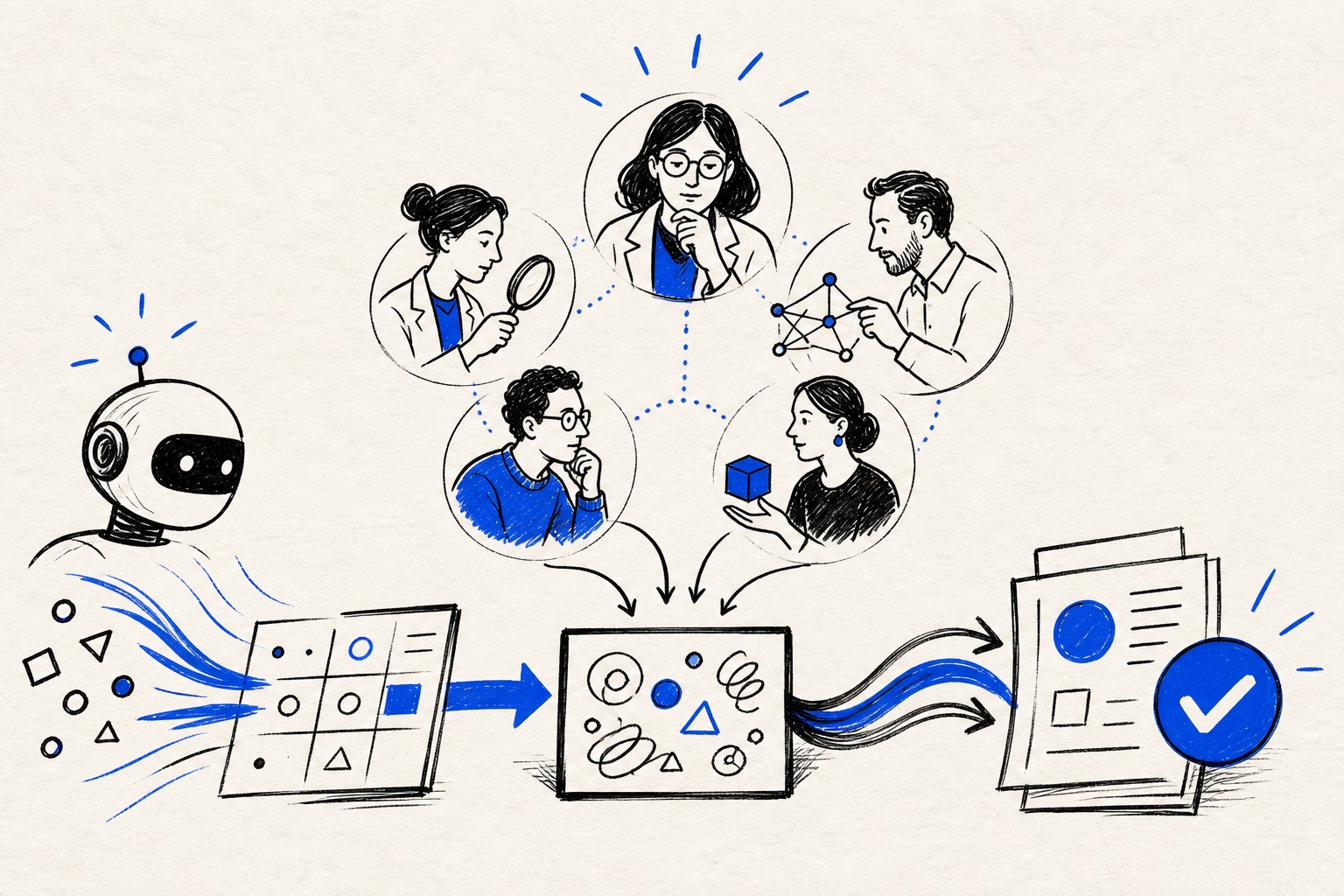
The strongest agent offers do not begin with autonomy. They begin with an expensive task that a buyer already wants removed.
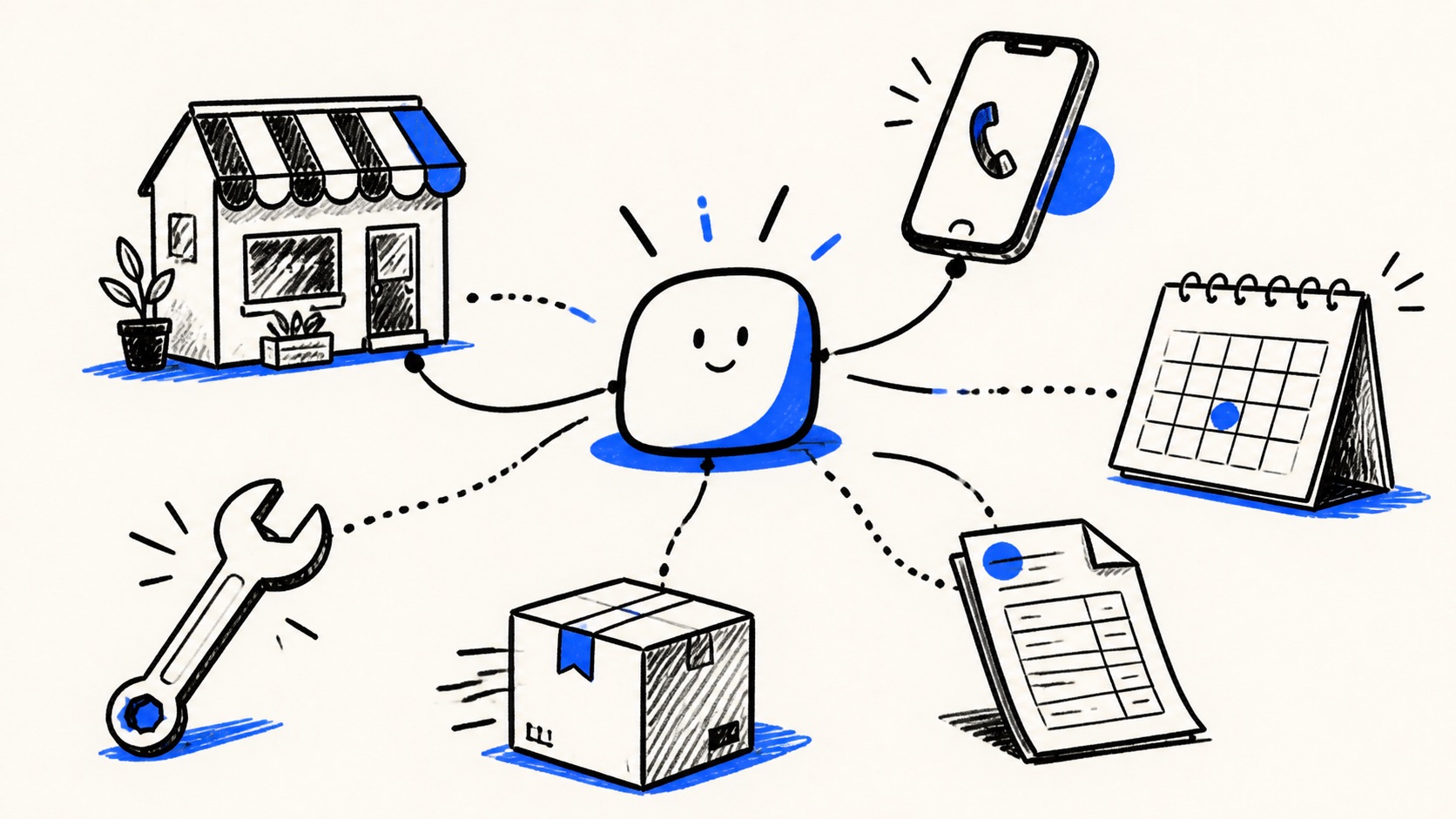
Voice automation is most valuable when a ringing phone represents immediate intent and the next available employee is already busy.
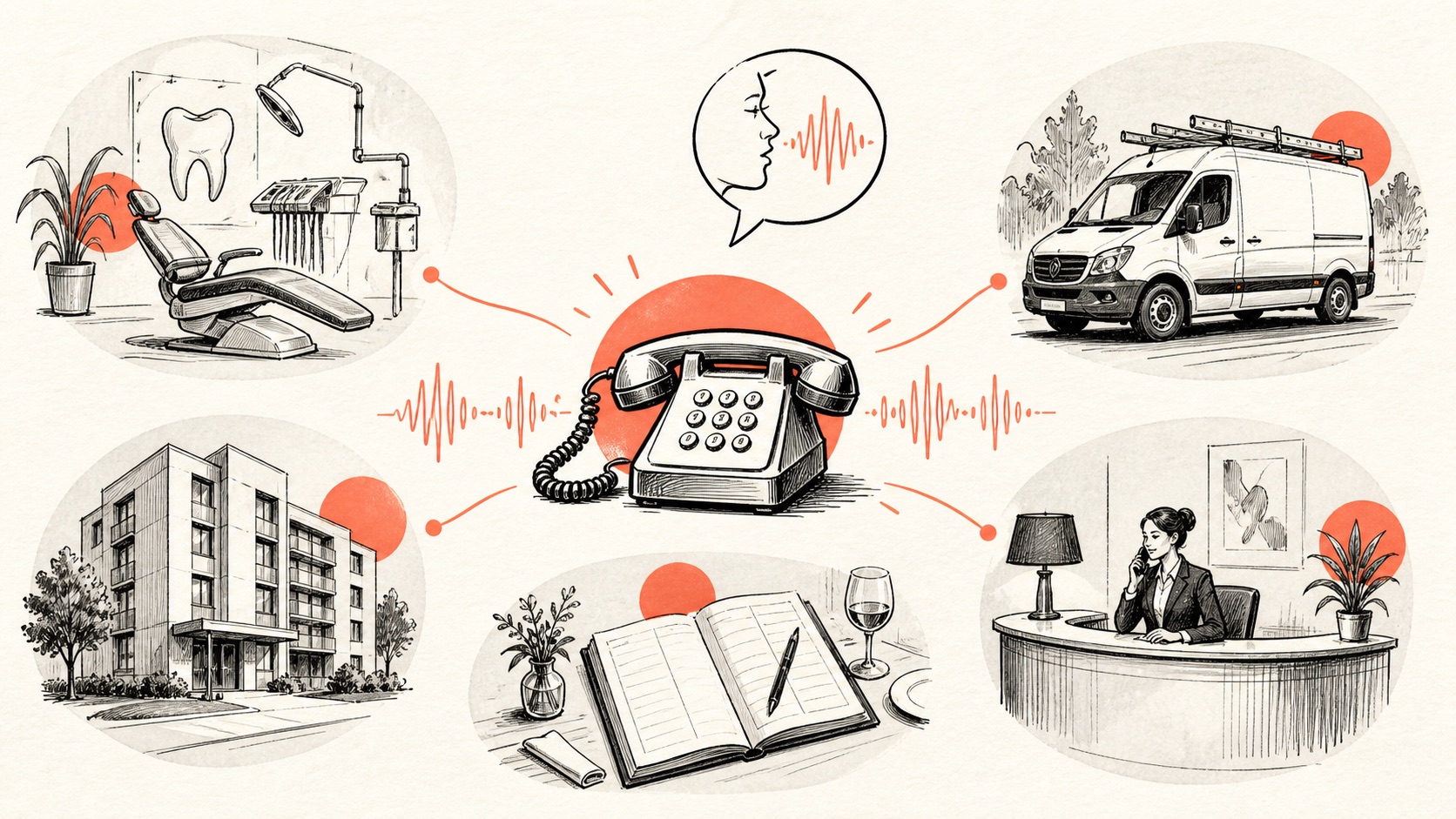
Agencies gain leverage when AI makes delivery repeatable, but only if scope, review and client responsibility remain clear.
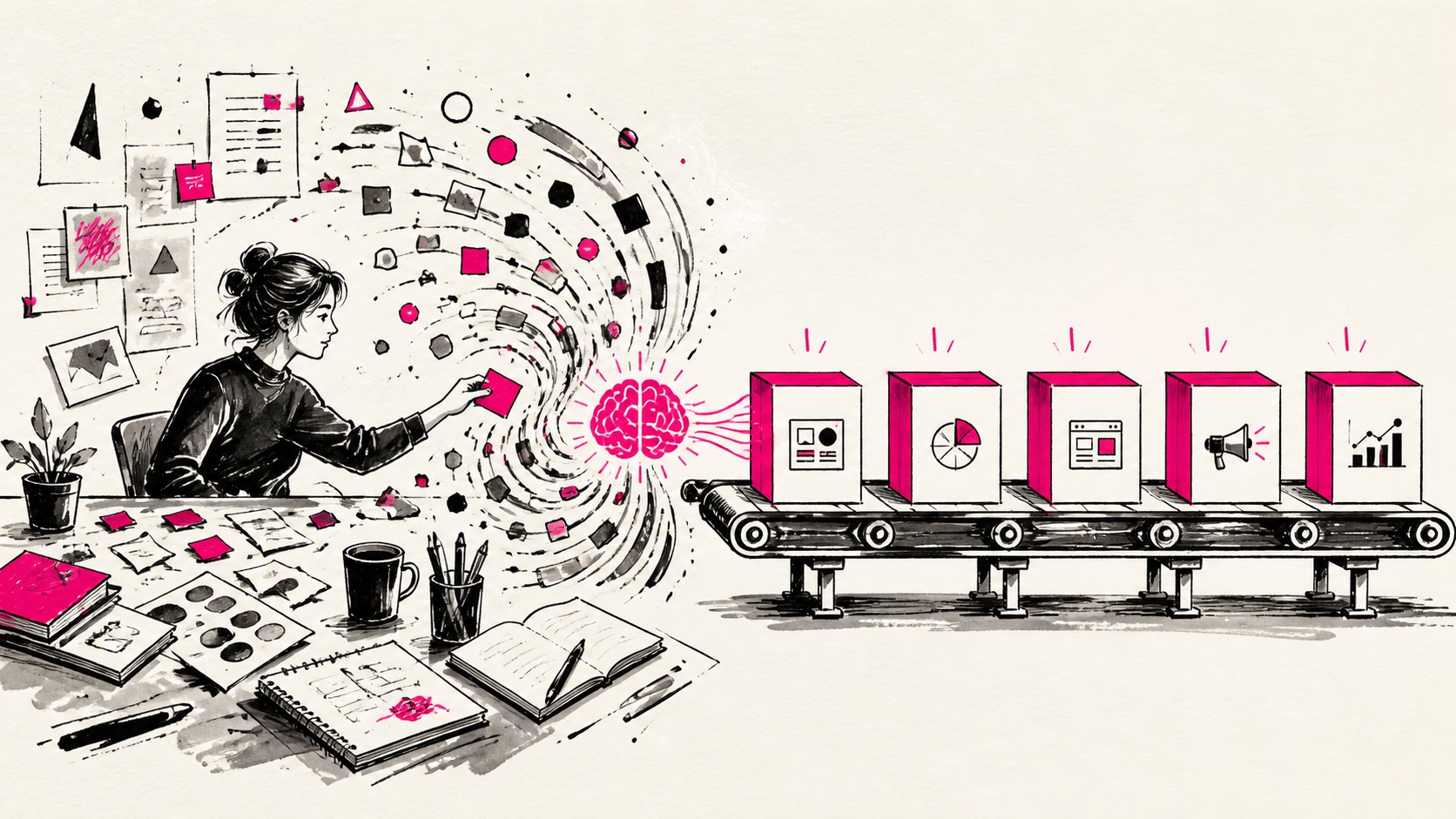
Generic AI training is easy to copy. Training tied to a profession, workflow and standard of practice can become a durable business.

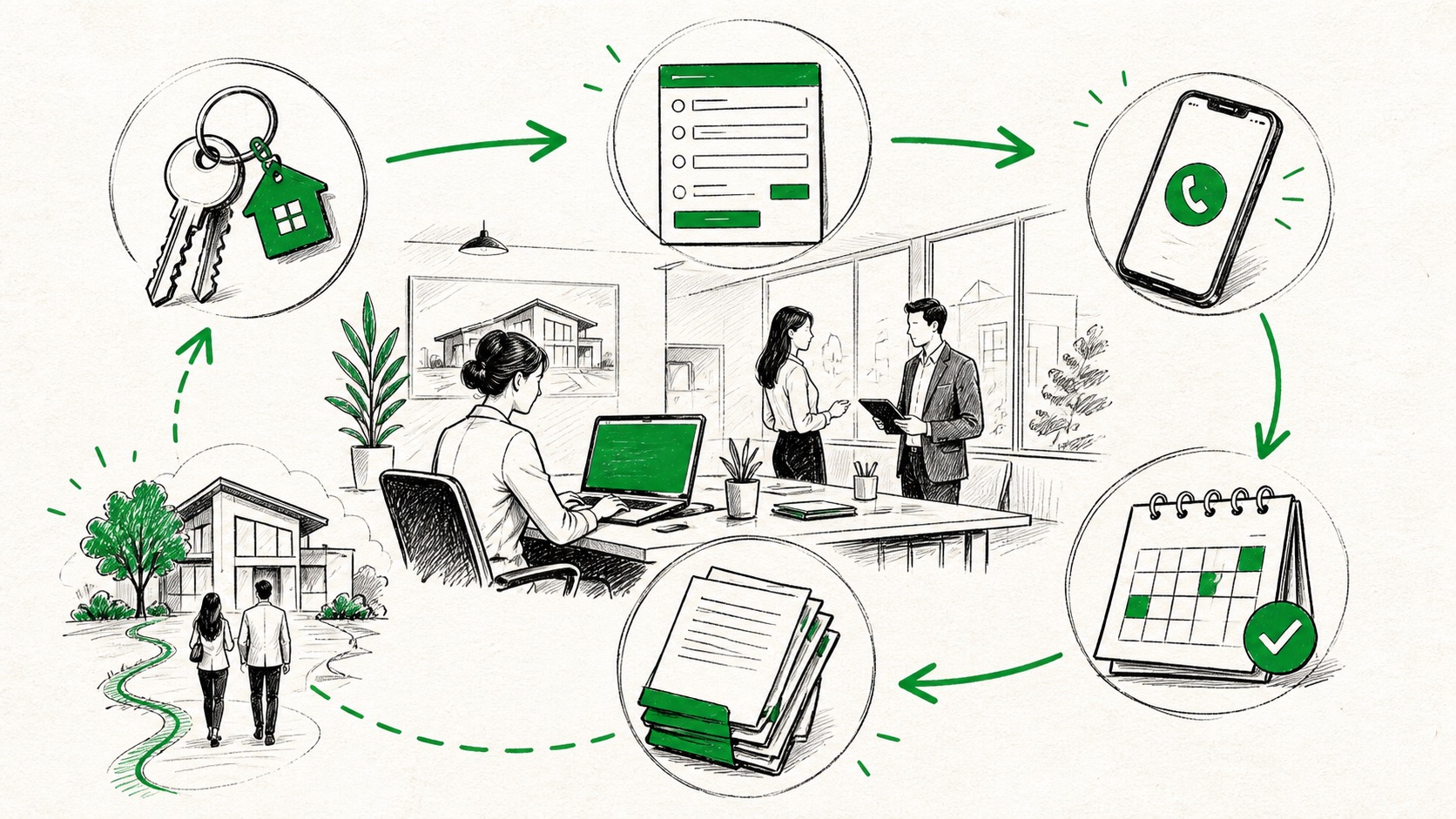
Real estate teams do not need another lead source until they can respond, qualify and follow up on the demand they already have.
The most practical clinic automations reduce front-desk pressure while keeping clinical judgment and patient care with qualified people.

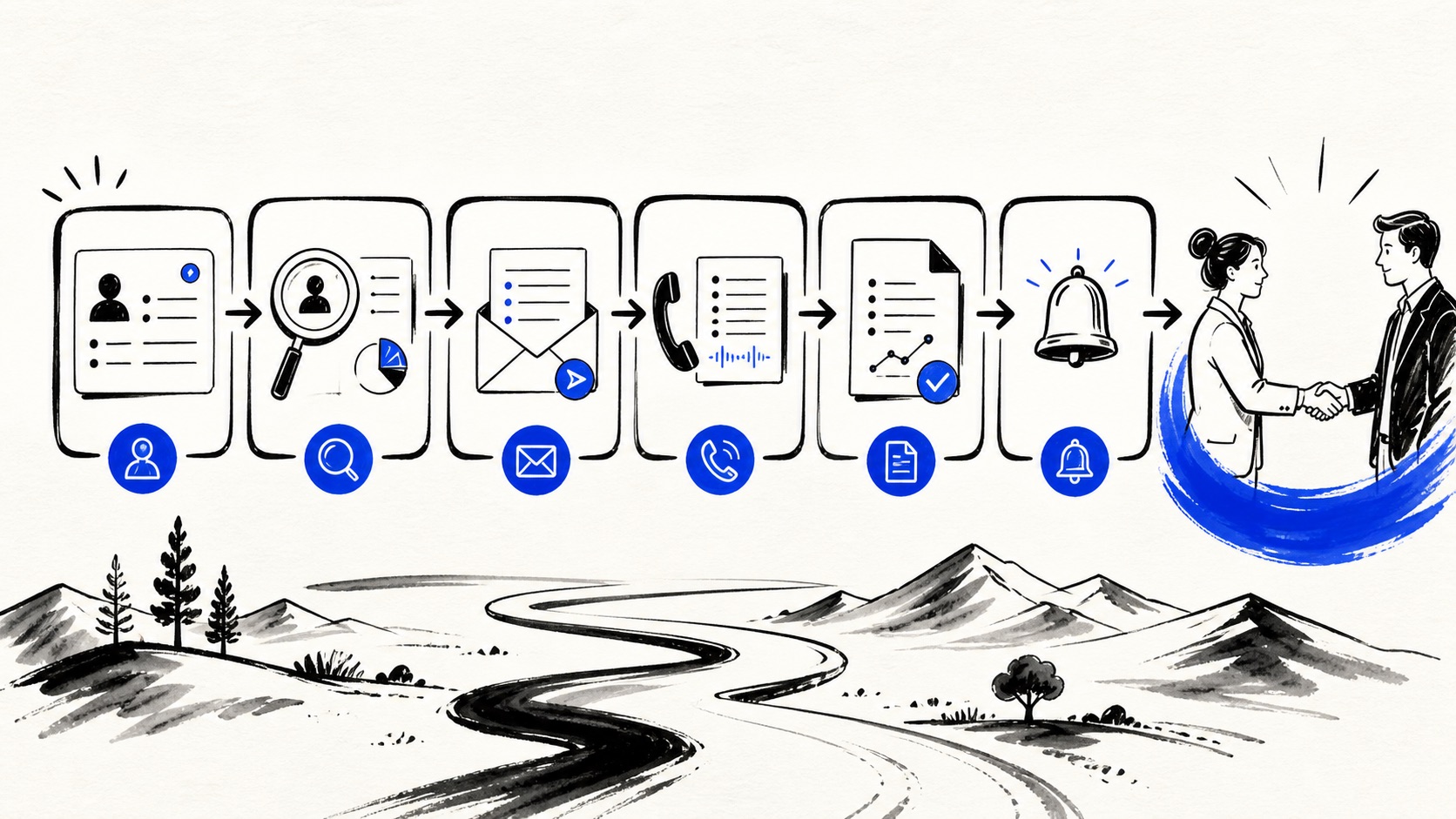
Sales automation creates value when it improves preparation and follow-up while leaving judgment, consent and relationship ownership with the seller.
The defensible content opportunity sits in research, access, judgment and distribution, not in producing more undifferentiated words.

Translation is only one layer of localization. The larger opportunity is making products, support and commerce work naturally in each market.

Hospitality AI works when it removes waiting and coordination while preserving the human moments guests remember.

The strongest products support independence and caregiver capacity without pretending automation can replace human care or clinical judgment.

Practical starting points, buyer problems and offer angles for the AI economy. Download it now and get the next useful briefing.