AI is sharpening the tension between generalists and specialists
General-purpose tools make it easier to begin many tasks. That may increase the value of specialists who know when a plausible answer is not a usable one.

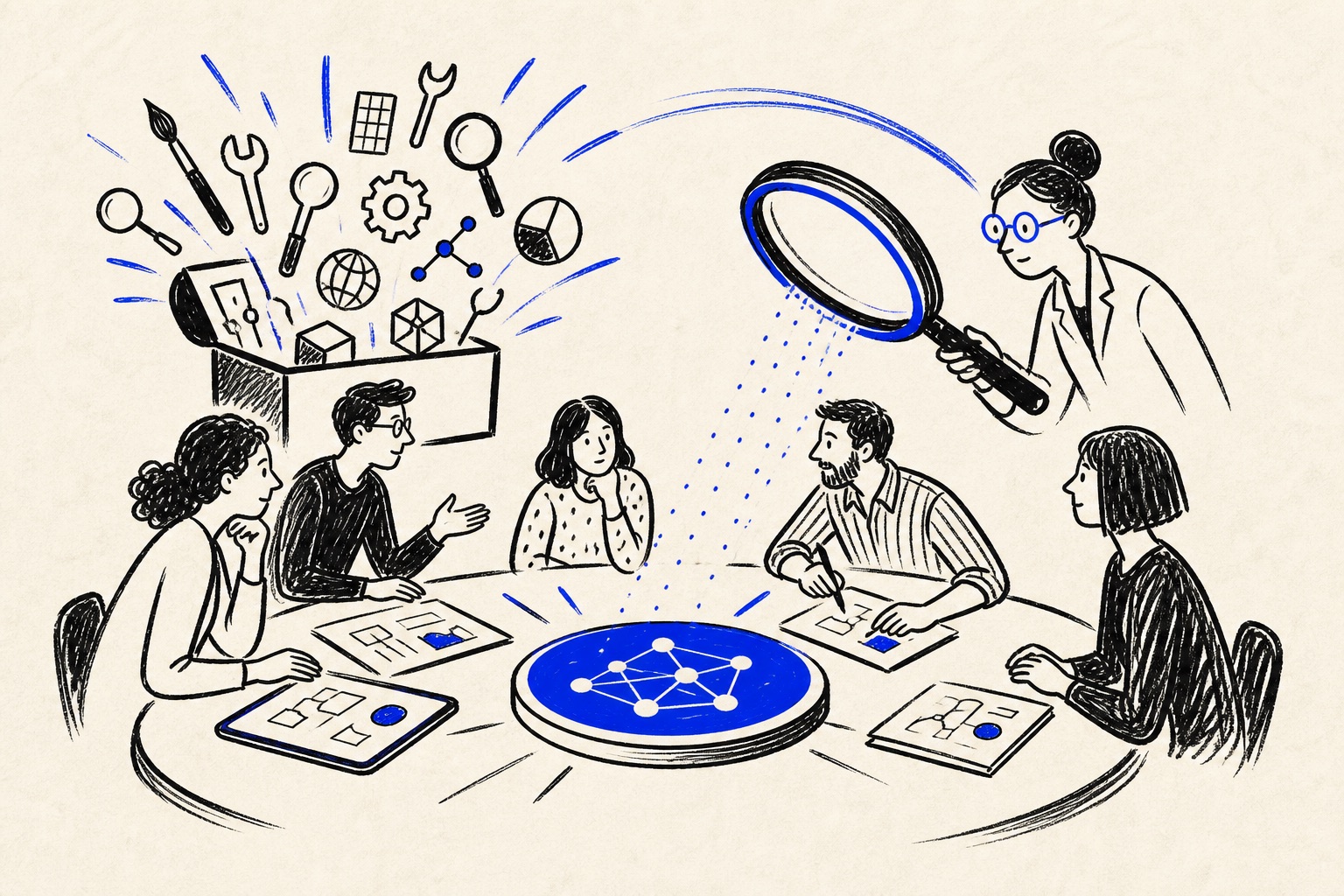
Generative AI can make a capable generalist feel more independent. It can explain unfamiliar concepts, draft an initial document and suggest a route through a technical problem. That is a meaningful change in how work begins. It does not remove the difference between knowing enough to start and knowing enough to take responsibility for the result.
The market will reward people and firms that understand this distinction. The best use of AI is often to widen access to useful first steps while making specialist review easier to direct toward the decisions where it matters most.
A good first draft is not a final judgment
AI lowers the cost of producing a plausible first answer. In many settings, that is valuable because it helps a person frame a question, compare options or move past an empty page. The risk appears when fluency is mistaken for expertise and the output is treated as ready for a high-stakes decision.
Specialists add value through context, standards and a memory of exceptions. They know which questions are missing, which facts must be verified and which failure will matter later. AI can make their work faster, but it may also make their judgment more visible as the distinctive part of the service.
Generalists need better escalation habits
The goal for a generalist is not to become an expert in every topic. It is to recognize the boundary between a task that can be handled with structured assistance and one that needs deeper review. That habit can be taught through clear risk categories, source requirements and practical examples of where a confident answer can still be wrong.
Organizations should make escalation easy rather than embarrassing. A worker who can bring a well-prepared question to a specialist saves time for everyone. AI can help assemble that question, identify the relevant evidence and show the uncertainty that still needs a human decision.
Specialists need to redesign their contribution
Some specialists will initially experience AI as pressure on the parts of their work that clients can see. The stronger response is to make their expertise legible in a new way. They can define decision rules, build review systems, create training and become the owner of a standard that makes a broader team more capable.
That shift is not automatic. It requires specialists to articulate what they know and why it matters. The people who do this well will not simply protect a narrow task. They will create a more scalable form of expertise that makes an organization safer and more effective.
AI expands access, but responsibility still has a depth
The generalist can begin more work with confidence. The specialist remains essential when the cost of being wrong is high or the context is deep. The opportunity is to design a system where each can do more of the work they are uniquely suited to do.