AI is creating a new market for contingent expertise
As routine production becomes faster, companies may rely more on specialists who can define standards, review difficult work and step in when an automated system reaches its limits.

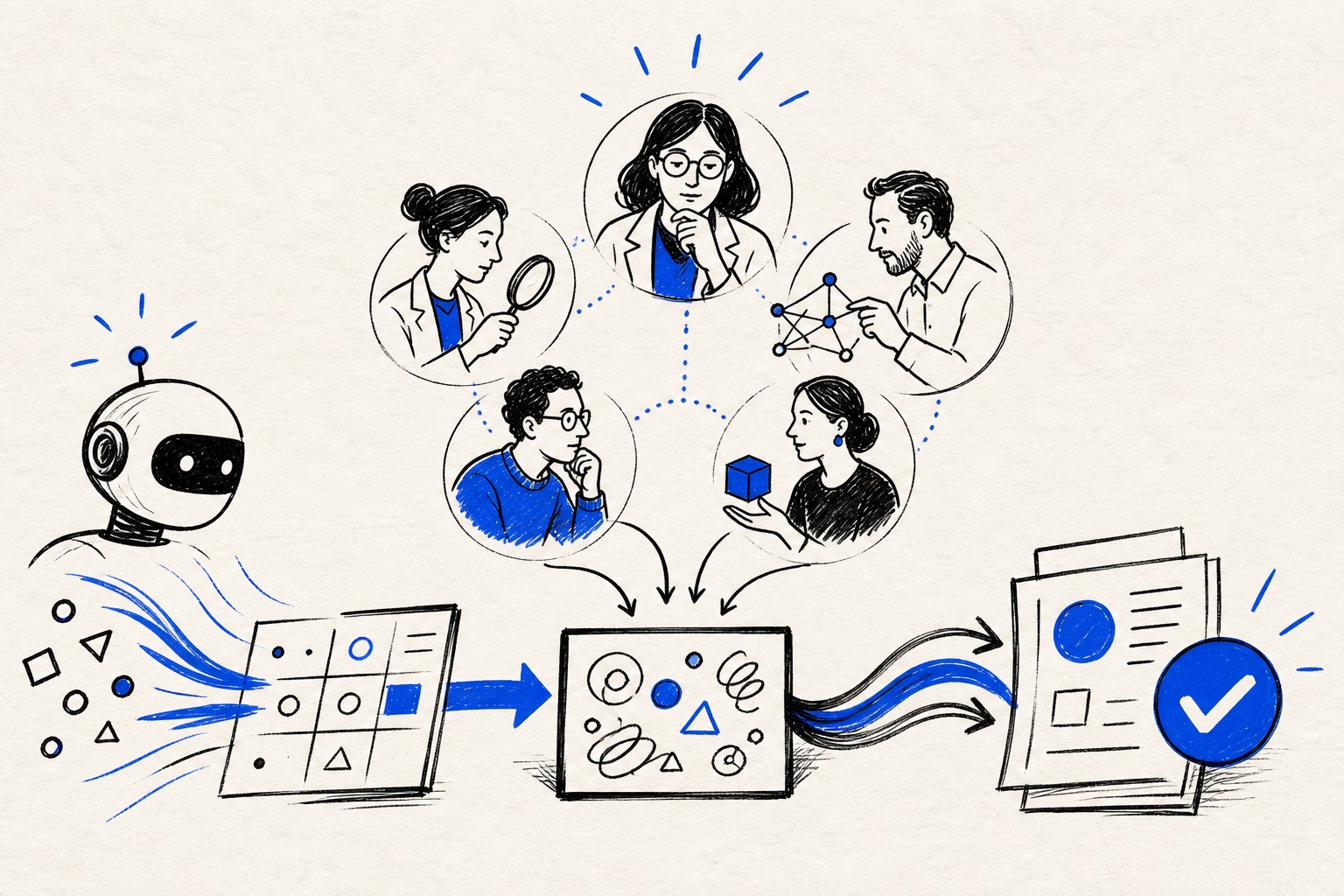
AI is often discussed as a substitute for contract work, particularly where freelancers produce repeatable drafts or analysis. That is one possible effect. Another is emerging alongside it: a greater need for flexible specialists who can set quality standards, review unusual cases and help a company operate a new system responsibly.
The shape of contingent work may therefore change more than its total volume. The valuable worker may be less likely to sell undifferentiated production and more likely to sell judgment that can be applied across a team that now has more automated capacity.
The work moves toward review and design
When AI handles a first pass, the remaining work often involves deciding whether the result is fit for purpose. That may require a legal reviewer, a subject expert, a senior editor or a process designer. The company does not need that person for every routine task, but it needs them when the stakes, complexity or ambiguity increase.
This can create a different kind of contingent role. Instead of producing every output from scratch, the specialist builds a standard, reviews a sample, handles escalations and improves the process. The work is still valuable, but the scope and pricing need to reflect the responsibility rather than only the volume of finished material.
Platforms will need to prove quality, not just supply
Talent platforms have historically competed through access, speed and price. In an AI-enabled market, they may need stronger ways to show the quality of the people and methods they provide. A customer will want to know whether a specialist can work with AI outputs, document decisions and take responsibility for a defined result.
That creates room for better assessment, clearer role definitions and communities built around a real professional standard. The platform that simply supplies more general labor may face pressure. The one that helps a company find trusted expertise at the moments where AI is insufficient may become more strategic.
Workers need a more explicit proposition
Independent professionals will benefit from explaining the part of the workflow they own that a general model cannot reliably replace. That may be industry context, a regulated judgment, a relationship with a client group or the ability to turn a messy problem into a decision. The proposition needs to be specific enough that a buyer can see why it matters.
This does not require pretending AI is irrelevant. In many cases, the worker will use it as part of the service. The trust comes from being clear about how the tool is used, where review occurs and what outcome the professional is prepared to stand behind.
The new premium is accountable expertise on demand
AI may reduce the market for some routine production while increasing the value of people who can define quality and handle the moments that still require judgment. The contingent workforce will evolve around that responsibility.