AI progress will be measured in boring work
The most consequential AI gains may come from less glamorous improvements: fewer missing details, faster handoffs and more reliable follow-through in ordinary systems.

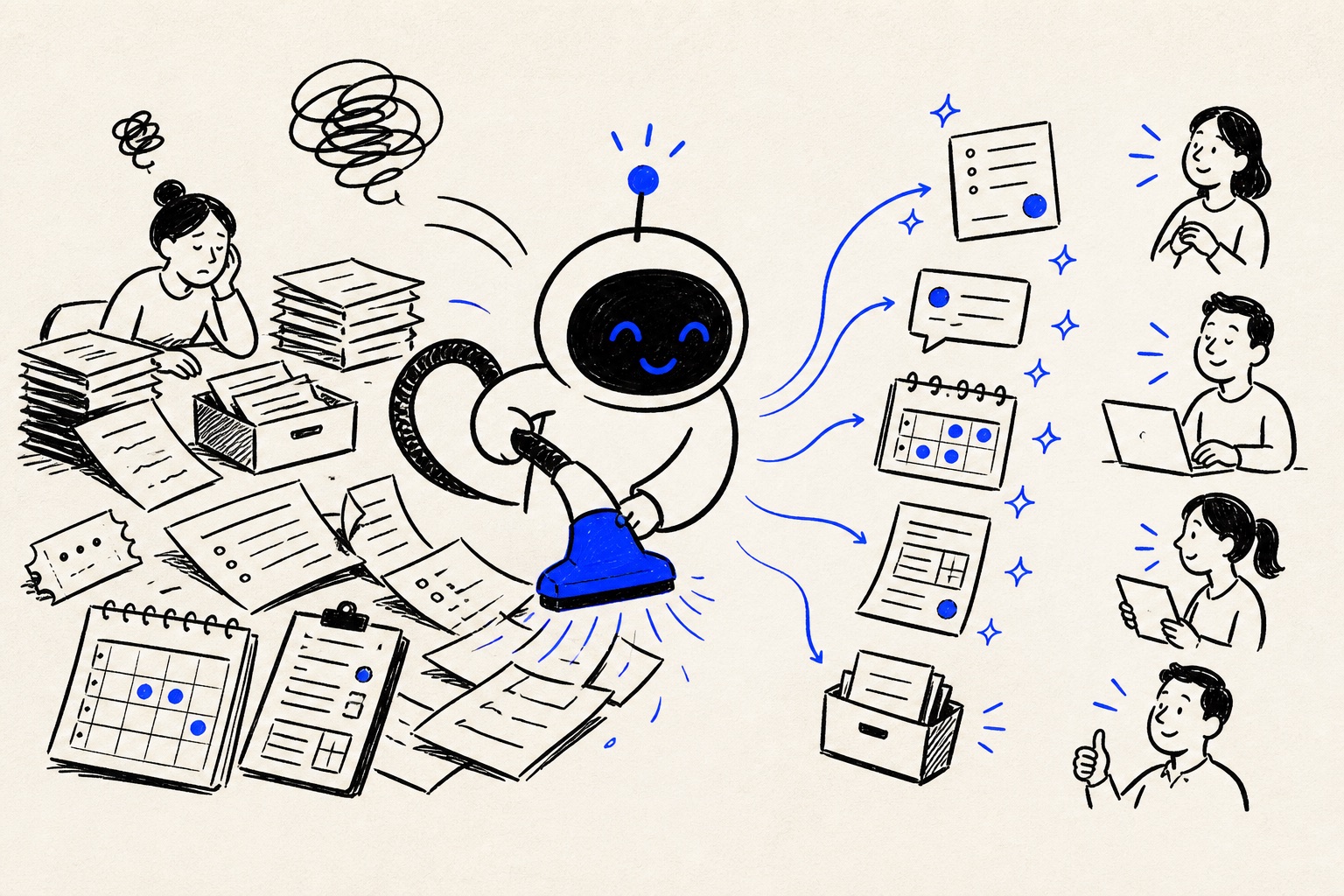
The public imagination of AI is drawn to dramatic demonstrations. Businesses often discover value in a more ordinary place: the task that nobody enjoys, the information that gets lost between systems and the decision that is delayed because the relevant context is scattered across several people.
Boring work matters because it is where organizations spend a great deal of time. Improving it can make customers feel heard, employees feel less burdened and leaders feel more confident that a process is actually under control.
Ordinary friction accumulates into real cost
A missed field in a form, a repeated status request or an unresolved handoff may seem small on its own. Across a large operation, these moments create delay, rework and frustration. They also make it harder for people to spend time on the judgment and relationships that distinguish a good service from a merely functional one.
AI can help when it is connected to a clear point of friction. It can prepare a record, flag missing information or route a request with useful context. The value is not that the system appears intelligent. It is that the next person in the process has less pointless work to do.
The useful measure is often what disappears
A successful workflow may not produce a spectacular new metric. It may reduce the number of repeated contacts, the minutes spent searching or the cases that return because something was missed. These are valuable outcomes, even if they are less exciting than a promise that a system will transform an entire industry overnight.
Leaders should make those improvements visible. When teams can see that a new tool removed a specific annoyance and protected a customer from delay, they are more likely to trust the next change. Practical progress builds credibility for more ambitious work later.
Boring work still requires care
The fact that a task is repetitive does not make it low consequence. A routine update can affect a customer relationship, a payment or a safety decision. Automation should therefore be designed with the same attention to exceptions and accountability that a company would apply to any process that touches real people.
The strongest systems make ordinary work easier while preserving a clear path for a person to intervene. That balance is what turns a small efficiency gain into a service improvement that can be trusted over time.
The quiet improvements may be the durable ones
AI will matter most when it reduces the daily friction that prevents people from doing their best work. The less glamorous the task, the more valuable a careful improvement can become once it is repeated across an organization.