AI risk committees need decision rights, not more meetings
Cross-functional oversight matters, but it becomes a bottleneck when nobody knows who can approve a routine use case, pause a risky one or own the consequence after launch.
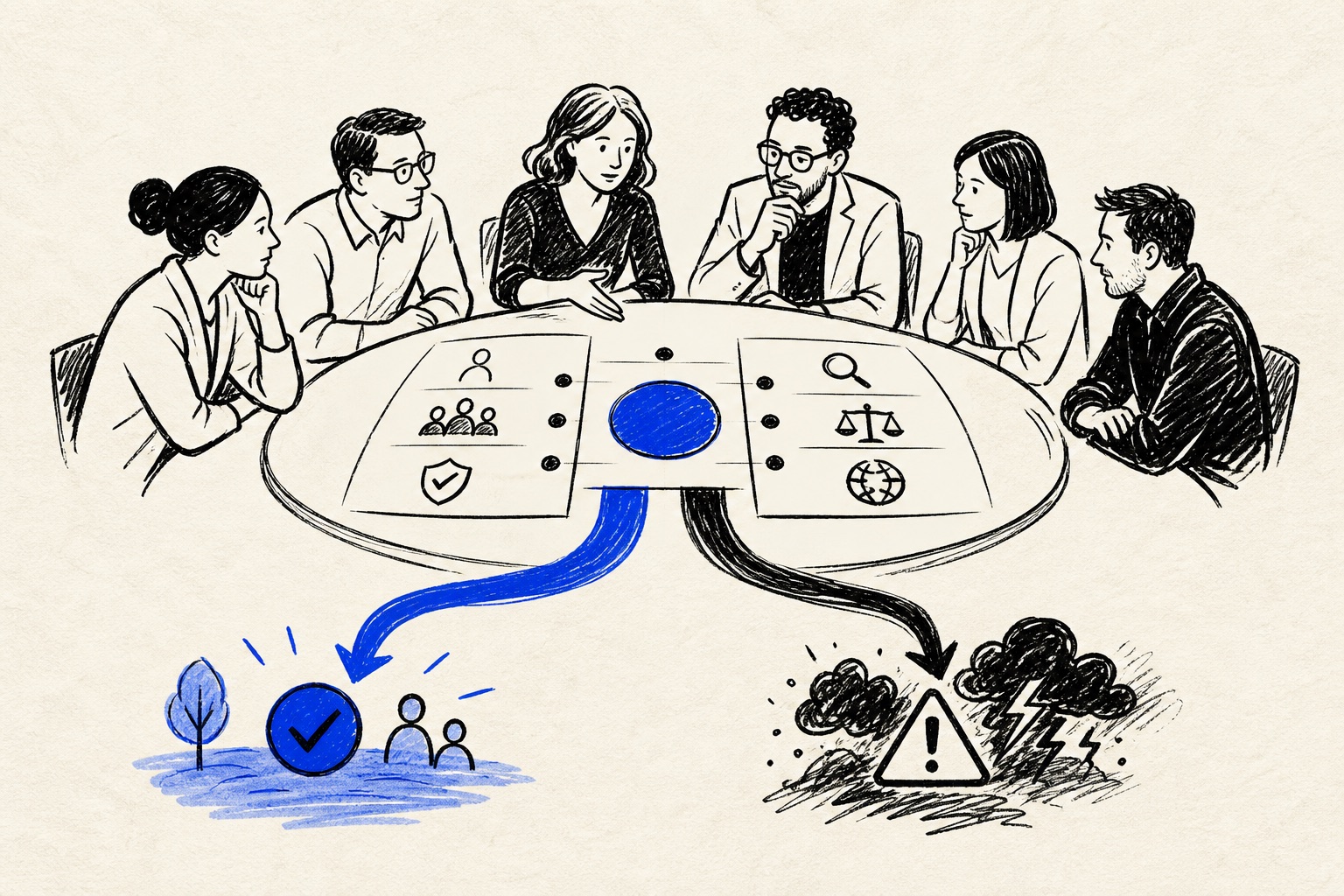
AI risk committees bring together the people who need to see a deployment from different angles: product, security, legal, compliance, operations and leadership. The group can be valuable. It can also become a place where decisions accumulate because the organization has not defined what each member is empowered to do.
The solution is not to remove oversight. It is to give oversight a clear operating model with decision rights that match the risk and repeatability of the work.
Routine cases should not require executive theater
Many AI use cases are low risk and repeatable: internal drafting with approved data, structured search over permissioned documents or a small workflow that has a clear human review step. These should have a defined approval path that does not require a senior committee to reconsider the same pattern every week.
A tiered system helps teams move with confidence. It gives routine work a fast route, establishes a higher review threshold for sensitive cases and reserves the full committee for decisions where the tradeoffs are genuinely new or consequential.
High-risk decisions need a named accountable owner
When an AI system affects customers, regulated information or material outcomes, a committee can advise but a person or business owner must ultimately accept responsibility for the deployment. That owner should understand the evidence, the controls and the conditions that would require the system to be paused or changed.
This does not make the owner isolated. It makes the decision legible. Teams know who can answer questions, customers know where accountability sits and the organization can learn from the outcome instead of treating the committee as an anonymous shield.
Review should create reusable standards
A committee becomes more useful when each review produces a clearer standard for the next team. The organization can document approved patterns, common conditions and examples of cases that require extra care. Over time, this reduces duplicated debate and makes governance feel like an enabling capability rather than a barrier.
The record also matters when leadership changes or a regulator asks how decisions were made. A well-run committee can show not only that it met, but what evidence it considered, which safeguards were required and how it expected the system to be monitored after approval.
Oversight works when people know who can decide
AI risk committees should clarify responsibility, not diffuse it. Clear decision rights let routine work move faster while giving serious deployments the attention and accountable ownership they require.