Enterprise AI will be limited by data estates, not model access
Most organizations can obtain capable models. The harder advantage is creating a governed, useful view of the information that makes those models relevant to their own work.

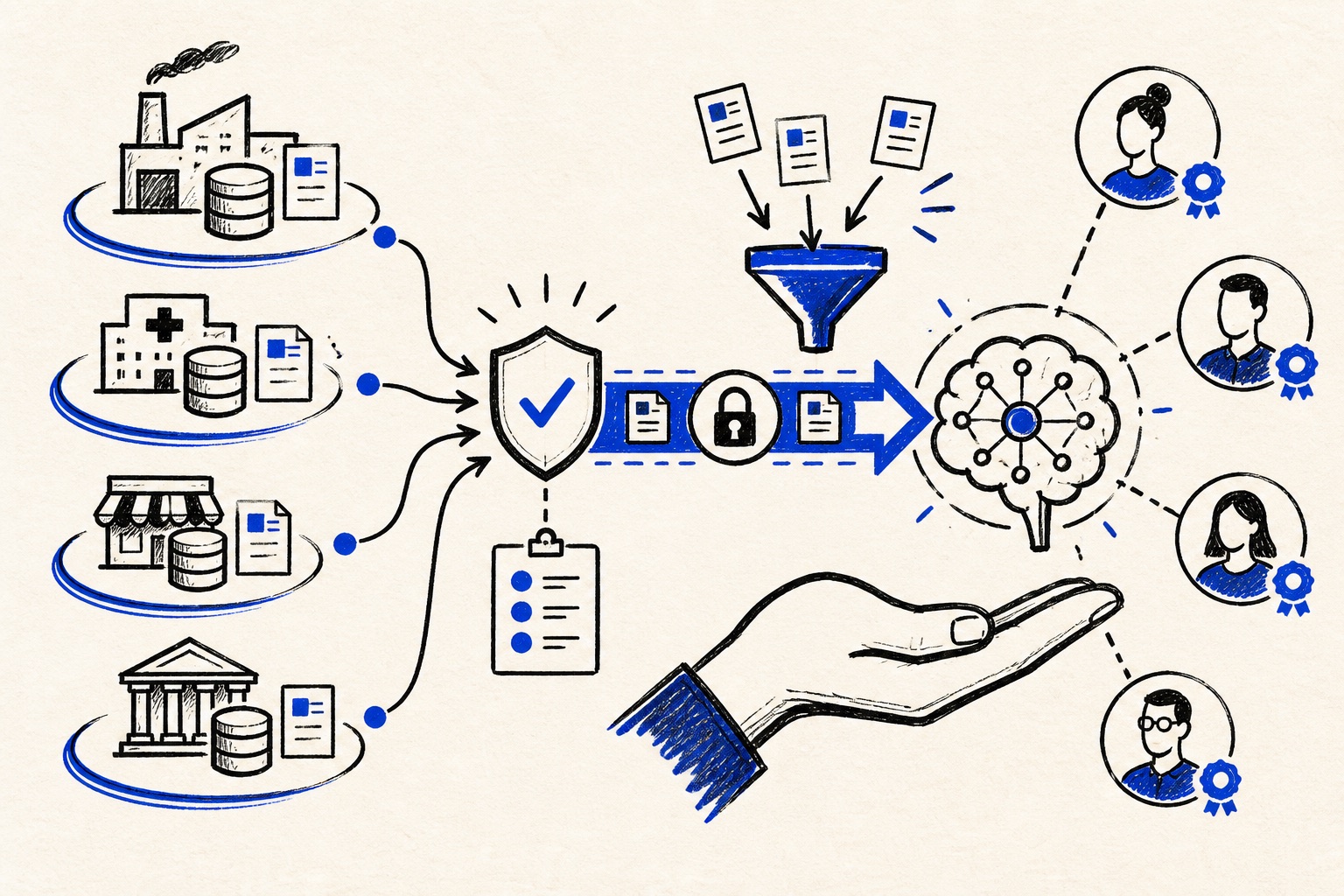
Model capability is becoming easier to buy. The difficult work begins when an organization tries to connect that capability to its own records, policies, customer history and operating context. Those materials are often fragmented, poorly labeled and governed by permissions that were designed for another era of software.
This is why the data estate is likely to determine the pace of enterprise AI adoption. A company with disciplined information practices can test useful systems quickly. A company with unclear ownership and weak data quality may spend months discussing models without creating a reliable product.
Context depends on data that can be trusted
An AI assistant is valuable when it has access to the right context at the right moment. If the underlying data is stale, contradictory or incomplete, the system may produce a confident answer that feels plausible but does not support the decision at hand. Better retrieval cannot repair a record that was never maintained.
The foundation is a clear view of important data domains, their owners and their acceptable use. Companies do not need to clean every archive before they begin. They do need to identify the sources that matter for a specific workflow and establish the standards required to use them safely.
Permissions are part of the product architecture
Enterprise data often carries meaningful access boundaries. A system that combines sources must respect those boundaries before it retrieves or summarizes anything. This creates technical complexity, but it also creates a competitive advantage for organizations that can make trusted information available without weakening the controls around it.
The effort should be treated as a product investment. Employees will use an AI assistant only if they believe it can find what they are allowed to see and avoid what they are not. Trust in the access model is as important as trust in the model response.
A data estate improves through specific use cases
Large transformation programs can make data work feel endless. AI use cases create a way to prioritize. Each deployment reveals which documents are missing, which fields are unreliable and where a business process depends on knowledge that has never been made accessible. The organization can improve the estate in the order that creates practical value.
That approach also keeps the work connected to outcomes. Instead of describing data quality as an abstract maturity score, leaders can show how better source ownership improved a support response, a financial review or a technical decision. The estate becomes a living part of the operating model.
The durable AI advantage is context an organization can use responsibly
Companies will have access to many capable models. The ones that make their own knowledge trustworthy, permissioned and available in the right workflow will turn that access into a lasting advantage.